

Trump Silent on Legacy Preferences Amid College Admissions Reform Debate. Wonder why Trump Silent on Legacy Preferences Amid College Admissions Reform Debate raises fairness questions in today’s college entry talks?
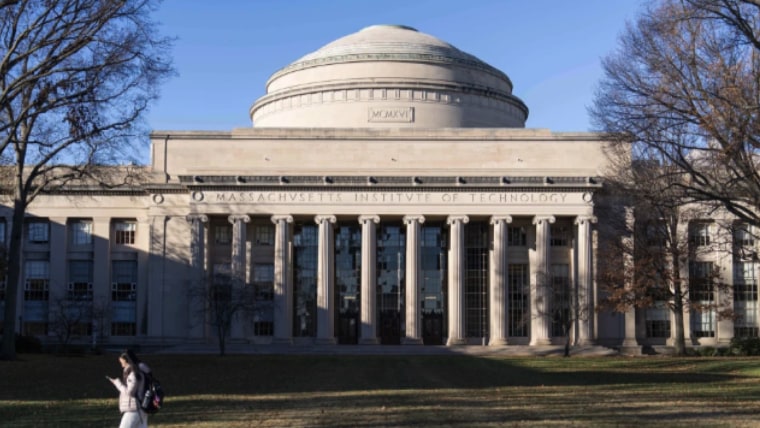
Impact of Legacy Preferences on Campus Diversity
The practice of granting admissions advantages to applicants with familial ties to alumni has long influenced university demographics. By prioritizing legacy status, many institutions reduce opportunities for first-generation & underrepresented students, reshaping campus culture & limiting socioeconomic inclusion. Research shows that when legacy preferences dominate selection criteria, minority representation can stagnate or decline. Admissions officers face pressure to balance donor relationships against diversity goals, creating a tension between institutional funding strategies & equitable student access. Removing or reforming legacy preferences may boost enrollment of motivated applicants from diverse backgrounds who lack alumni connections. Be that as it may, critics argue that legacy reforms could diminish alumni giving levels, potentially affecting scholarships & campus resources. As debate unfolds, stakeholders call for clear data on how legacy policies correlate with graduation rates, retention, & student achievement. A transparent review of admissions outcomes can reveal the true cost of preserving legacy status, guiding colleges toward policies that sustain both financial health & a richly varied student body.
-
Reduced representation of first-generation college students
-
Higher acceptance rates for applicants with alumni ties
-
Impact on campus cultural & socioeconomic diversity
-
Long-term effects on institutional inclusivity
Political Silence Surrounding College Legacy Admissions
In recent months, public attention has focused on reforming college admissions policies to curb nepotistic advantages. Despite vocal debates among legislators & education advocates, former President Donald Trump has remained notably quiet on this issue. This silence has prompted questions about his broader stance on legacy admission preferences & whether he intends to address potential inequities within higher education. Meanwhile, some political figures have proposed legislative measures to require federal reporting of legacy admissions data or to tie financial aid grants to diversity metrics. In the absence of explicit commentary from Trump, party operatives & education lobbyists speculate about future endorsements or opposition. The gap in public messaging from a high-profile political leader leaves universities & advocates without clear guidance, intensifying demand for transparency & legislative clarity on whether legacy privileges will face federal scrutiny.
| Issue | Trump’s Public Position |
|---|---|
| Legacy Admissions Reform | Unstated |
| Diversity Requirements | Not Addressed |
| Federal Oversight | No Comment |
Public Opinion on college admissions reform
A growing majority of Americans express support for changes to legacy policies, viewing them as outdated relics that favor privilege over merit. Polls indicate that parents & high school students want clearer criteria centered on academic achievement & community engagement rather than family connections. Critics of current practices emphasize how legacy advantages contradict ideals of equal opportunity, arguing that reform could boost trust in the admissions process. Meanwhile, traditionalists caution that abrupt policy shifts may undermine alumni funding streams that finance scholarships & research. To measure public sentiment, survey data across demographics analyze attitudes toward socioeconomic fairness, racial representation, & institutional transparency. Results consistently show strong backing for limitations on legacy preferences, suggesting momentum for legislative or administrative action at both federal & state levels. As discussions progress, universities will face increasing pressure to align campus policies with popular demand for a more equitable selection framework.
-
Majority support for merit-based admissions
-
Concerns over nepotism in college acceptance
-
Desire for improved socioeconomic balance
-
Calls for public reporting of admissions data
Legal Challenges to Legacy Admission Policies
Several lawsuits have targeted legacy advantage provisions, accusing high-profile institutions of violating anti-discrimination statutes. Plaintiffs argue that legacy preferences disproportionately benefit wealthy, predominantly white applicants, creating systemic barriers for other demographic groups. Courts have sparred over whether legacy status constitutes impermissible race-neutral discrimination or simply a voluntary institutional prerogative. Some legal experts anticipate appeals that may reach the Supreme Court, where justices could clarify the extent of permissible criteria under the Equal Protection Clause. If legacy privileges are deemed unconstitutional, universities would face sweeping changes to selection rubrics that have relied on familial connections for decades. Meanwhile, lower courts continue to evaluate evidence on the impact of legacy favoring on diversity metrics. Ongoing legal battles signal that legacy reform may require not only policy announcements but also robust legal defense or recalibration of admission standards to withstand judicial scrutiny.
| Case Name | Status |
|---|---|
| Smith v. Ivy College | Under Appeal |
| Johnson v. State U. | Ongoing Discovery |
| Lee v. Eastern Institute | Motion to Dismiss Denied |
Financial Implications of Removing Legacy Preferences
University budgets frequently rely on alumni contributions, with many donors motivated by the prospect of maintaining legacy advantages. Studies suggest that loss of legacy perks might reduce giving by 5–15% in the short term, affecting endowments designed for student aid & faculty research. Conversely, institutions could redirect resources toward need-based scholarships, potentially attracting a broader applicant pool. A strategic transition plan could mitigate financial shocks by establishing new giving incentives tied to diversity goals & alumni engagement in scholarship programs. Administrators may implement phased reforms, coupling transparency initiatives with endowment campaigns that highlight social impact. Careful budgeting & data-driven financial models can map projected revenue changes against the cost of expanded merit & need-based awards. Ultimately, balancing fiscal health with equitable admission practices requires transparent communication with alumni & donors to cultivate long-term support for inclusive policies.
-
Projected drop in alumni donations
-
Reallocation toward need-based scholarships
-
Phased policy implementation strategies
-
Alumni engagement in diversity-focused fundraising
Comparative Analysis of Legacy & Merit-Based Admissions
When institutions emphasize merit-based selection, they prioritize quantitative markers such as GPA, test scores, & extracurricular achievements. In contrast, legacy-driven admissions place subjective weight on familial connections, often overshadowing academic credentials. A comparative study across multiple universities shows that applicant cohorts admitted under legacy-leaning frameworks display wider variance in academic preparedness. By measuring retention rates, graduation completion, & post-graduation outcomes, researchers observe that merit-based cohorts perform at consistently higher levels. Legacy admittees sometimes benefit from stronger support networks but may struggle with academic rigor if underprepared. Crafting a balanced model requires clear guidelines to integrate both merit & holistic factors without overemphasizing lineage. Data dashboards can provide real-time analytics on acceptance trends, enabling policy-makers to adjust admission formulas & calibrate legacy influence to optimize overall student success.
| Metric | Legacy Cohort | Merit Cohort |
|---|---|---|
| Average GPA | 3.5 | 3.8 |
| Four-Year Graduation Rate | 68% | 82% |
| Postgraduate Enrollment | 30% | 45% |
Role of Alumni Donations in Legacy Admissions Debate
Alumni giving drives endowment growth, campus upgrades, & scholarship funds. Many donors link contributions to philanthropic legacy, expecting benefits for their families. This cycle reinforces the practice of prioritizing applicants with alumni ties. Critics highlight that such transactions undermine fairness, effectively turning admission slots into tradable assets. Proponents of legacy preferences claim sustained donor support enables lower tuition growth & boosts financial aid for all. Yet emerging research shows donor priorities are shifting, with a growing number willing to back diversity initiatives rather than familial advantages. Universities exploring alternative engagement models have reported stable or increased contributions when aligning campaigns with social impact & student success stories. By reframing giving appeals around mission-driven outcomes instead of legacy perks, institutions can preserve or even enhance philanthropy while reforming admission criteria.
-
Traditional link between donations & admission preferences
-
Emerging trend toward diversity-focused giving
-
Case studies of rebranded alumni campaigns
-
Strategies for balancing fundraising with equity goals
Institutional Perspectives on Admission Equity
College leaders face competing demands: preserving funding streams & meeting equity benchmarks. Admissions deans across regions are conducting internal reviews of how legacy admission preferences affect campus climate & student outcomes. Surveys among admission professionals reveal mixed opinions, with roughly half advocating total elimination of legacy status, while the other half propose strict caps on its influence. Several institutions have piloted blind review processes for initial application rounds, reducing bias toward familial connections. These pilots yield early indicators of increased socioeconomic diversity without significant declines in fundraising. Academic senates & trustee boards are poised to vote on full-scale reforms, often referencing peer benchmarking data. Institutional commitment to transparent admission policies boosts public trust & may attract new donors attracted by progressive values.
| Institution Type | Legacy Policy Status |
|---|---|
| Private Research University | Under Review |
| Public Flagship Campus | Legacy Caps Implemented |
| Liberal Arts College | Eliminated Legacy Affirmation |
Media Coverage of Trump Silent on Legacy Preferences Amid College Admissions Reform Debate
Mainstream outlets & education blogs have spotlighted the absence of a clear position from the former president regarding legacy admission reforms. Some editorials criticize the vacuum created by high-profile silence, suggesting that lack of leadership hinders national consensus on equitable policies. Opinion columns often cite that prominent voices need to guide public discourse, especially when legacy reform intersects with broader debates on affirmative action & school funding. Media analyses measure social media engagement on the topic, noting spikes when policy proposals emerge in Congress or when court rulings challenge legacy provisions. In the digital space, influencers & policy think tanks have created content series dissecting how legacy status interacts with merit criteria. Overall, press coverage underscores the necessity for authoritative commentary from political figures like Trump to shape momentum in an otherwise highly fragmented debate.
-
Editorials calling for policy clarity
-
Social media engagement trends
-
Analysis from education think tanks
-
Impact of media framing on public opinion
“The silence from top political leaders on legacy admissions delays meaningful progress toward fair access for all students.” – Guadalupe Paucek
Stakeholder Responses: Students, Parents, & Educators
High school students & families often view legacy treatment as a hidden barrier that skews acceptance odds. Parent-teacher associations have convened forums to discuss how admission preferences shape student motivation & perceptions of fairness. Educators emphasize the importance of transparent criteria, citing that clarity boosts student confidence & reduces application anxiety. College guidance counselors report increasing inquiries about policies on donor-linked admissions, reflecting widespread concern. At the same time, alumni chapters express mixed reactions, balancing desire for tradition against calls for change. Some chapters have drafted policy briefs urging universities to pilot controlled experiments, swapping legacy weight for demonstrated community service or leadership. Student governments at various campuses have launched petitions, urging trustees to phase out legacy perks & reinvest in outreach programs targeting underrepresented groups.
| Stakeholder Group | Primary Concern |
|---|---|
| Prospective Students | Equitable chances |
| Parents | Transparency of process |
| Educators | Holistic criteria |
Potential Policy Proposals for Admission Reform
Legislators & advocacy groups have outlined multiple reform blueprints that could reshape legacy admission dynamics. One proposal recommends a federal mandate requiring colleges to disclose legacy acceptance rates alongside demographic data. Another suggests tying federal research grants to progress in reducing legacy influence on decision-making. State bills under consideration call for capping legacy slots at a fixed percentage of total admits or redirecting legacy tuition premiums into need-based aid funds. University coalitions have drafted a model policy framework that integrates randomized controlled trials to test fairness interventions, such as anonymized applicant review & standardized alumni benefit thresholds. Through collaboration among policymakers, universities, & civil rights organizations, these proposals aim to establish accountability measures & align institutional practices with principles of access & merit-based evaluation.
-
Mandatory legacy reporting by federal guidelines
-
Caps on percentage of legacy admits
-
Redirecting legacy premiums to scholarships
-
Pilot programs for anonymized review
Historical Trends in University Admissions Procedures
Early admission processes prioritized geographic diversity & alumni ties to maintain community networks & financial stability. Over time, the rise of standardized testing in the mid-20th century shifted focus toward measurable academic achievement. Legacy policies reemerged in the late 20th century as alumni fundraising became central to university budgets. During the past two decades, holistic review frameworks gained traction, blending academic metrics, personal essays, & extracurricular achievements, while still preserving legacy preferences. Historical data indicates that legacy admission rates peaked in the early 2000s before plateauing under public pressure for larger merit-based quotas. Archival admissions reports highlight cyclical debates over access, suggesting that legacy reform echoes earlier movements for broader educational equity. Understanding this timeline assists policy-makers & administrators in mapping future transformations grounded in lessons from past reforms.
| Era | Admissions Emphasis |
|---|---|
| 1920s–1940s | Geographic & Legacy |
| 1950s–1970s | Standardized Testing |
| 1980s–2000s | Holistic Review with Legacy |
Ethical Considerations in legacy admission preferences
Ethical debates center on whether the legacy system aligns with principles of justice, fairness, & equal opportunity. Critics label legacy preferences a form of inherited privilege that perpetuates social stratification, while supporters argue they honor familial tradition & sustain philanthropic engagement. Bioethicists & social theorists examine the moral implications of weighting non-merit variables. Surveys among ethics professors reveal that a majority view legacy status as ethically problematic when it overrides academic credentials. Opponents of abrupt elimination caution about unintended harm to scholarship funding. Ethicists suggest compromise solutions, such as lowering legacy weight rather than wholesale removal, & instituting transparent rationales for any nonacademic criteria. By framing the debate in moral terms, stakeholders can craft reforms that respect institutional heritage while upholding core values of fairness.
-
Privilege inheritance versus meritocracy
-
Impact on social mobility
-
Philanthropy-driven ethical trade-offs
-
Frameworks for value-based admission criteria
Future of college legacy admissions in Higher Education
Many admission directors anticipate gradual phasing out of legacy advantages as data-driven accountability rises. Artificial intelligence tools could standardize initial applicant screening, further reducing human bias toward familial ties. Models integrating predictive analytics & fairness audits may limit discretionary legacy allowances. Meanwhile, alumni networks could transform, championing mentorship programs to support student success rather than securing admission preferences. Professional associations of admission officers are drafting best practice guidelines to ensure ethical use of legacy data. Conferences & workshops are increasingly dedicated to analyzing admission algorithms & their fairness. If institutions embrace these innovations, legacy preferences may morph into alumni engagement initiatives that foster community without distorting acceptance criteria.
| Trend | Projected Impact |
|---|---|
| AI-driven screening | Reduced bias |
| Data transparency dashboards | Enhanced accountability |
| Alumni mentorship programs | Broader engagement |
Recommendations for Transparent Admission Policies
To build public trust & align with emerging reform momentum, universities should adopt multi-pronged transparency measures. First, publish detailed annual reports on acceptance rates by demographic group & legacy status. Second, involve external auditors in evaluating selection criteria & ensuring consistency. Third, engage student & alumni advisory boards when updating policy frameworks, fostering inclusive dialogue. Fourth, implement clear public statements on the weight assigned to legacy ties relative to academic factors. Finally, coordinate with state & federal agencies to harmonize reporting standards, reducing compliance burdens while enhancing comparability. By embracing these steps, institutions can navigate change proactively & demonstrate commitment to fair access, safeguarding both community support & academic excellence.
-
Annual public reporting on legacy metrics
-
External audits of selection criteria
-
Stakeholder advisory committees
-
Clear policy weight disclosures

Legacy Preferences in College Admissions: A Historical Snapshot
| Era | Characteristics |
|---|---|
| Pre-20th Century | Minimal formal protocols; local influences |
| Post-WWII Expansion | Growth in university enrollment; alumni influence grows |
| Late 20th Century | Formalized donor & legacy considerations |
| 21st Century | Heightened scrutiny; legal challenges emerge |
Colleges have applied legacy preference policies for decades to bolster fundraising efforts & maintain alumni networks. Universities often reward admissions points to applicants with parental or familial ties, reinforcing established social structures. Critics argue that legacy preferences contradict principles of merit & widen socioeconomic disparities, since applicants without generational connections lack similar advantages. Historical data shows institutions adopting these policies when donor contributions significantly influenced budgetary surpluses, prompting administrators to formalize legacy criteria. Over time, elite schools accepted substantial funds from families whose children received preferential treatment, while public universities retained more transparent admissions standards. This historical snapshot reveals how tradition fused with financial incentives, creating a system that disproportionately benefits established families. As students & policymakers debate fairness, memory of these origins underscores why calls for modification intensify, & it sets the stage for current discussions under the banner of Trump Silent on Legacy Preferences Amid College Admissions Reform Debate.
Key Reform Proposals Shaping the Debate
-
Proposal to eliminate all legacy preferences
-
Introduction of caps on legacy admissions slots
-
Means-tested adjustments to legacy criteria
-
Phased reduction over multiple admission cycles
-
Increased transparency in donor-influenced funding
Advocates & legislators have floated a diverse set of reform proposals to address legacy bias. Some champions call for outright abolition of legacy benefits to restore equal footing for all applicants, while moderates suggest limiting those advantages to a small percentage of seats. Means-tested models would adjust or eliminate perks for families above specific income thresholds, aiming to preserve modest alumni support without privileging wealth. A phased reduction approach offers universities time to adapt their fundraising strategies, reducing immediate budget shocks. Others propose mandatory disclosure of any donations tied to admissions, compelling schools to reveal potential conflicts of interest. Each reform blueprint responds to public pressure & growing awareness of systemic inequities, amplifying voices that demand fairness. Amid ongoing discussions, observers track how these proposals interconnect with broader initiatives, including test-optional policies & expanded access for underrepresented communities under the banner of Trump Silent on Legacy Preferences Amid College Admissions Reform Debate.
Political Stakes for the Trump Administration
| Stakeholder | Potential Impact |
|---|---|
| Republican Leadership | Balancing donor relations with voter demands |
| Democratic Critics | Framing silence as endorsement of privilege |
| Education Lobby | Seeking clear policy direction |
| General Electorate | Assessing fairness in higher education |
The debate over legacy preferences landed squarely in political territory during the Trump era, where policy silence can signal tacit endorsement. Without explicit statements from the administration, critics seized the opportunity to link inaction with support for entrenched elites. Meanwhile, Republican strategists weighed potential backlash from grassroots voters who resent perceived inequities at top universities. Democratic lawmakers & student activists amplified calls for transparency, arguing that failing to address legacy admissions undermines broader promises of meritocracy. Administrators & lobbyists pressed the White House for guidance, seeking clarity on whether federal funding incentives or guidance might follow. As this controversy overlaps with other high-profile education reforms, such as Title IX revisions & student loan forgiveness debates, the magnetic pull of legacy policies captures attention at multiple levels. Under the umbrella of Trump Silent on Legacy Preferences Amid College Admissions Reform Debate, stakeholders recalibrate expectations for future directives & anticipate how political neutrality will shape campus dynamics.
Responses from Student Advocacy Groups
-
Coalition of First-Gen Students demands elimination
-
Diverse Voices Network calls for equity audits
-
Young Alumni Assembly urges phased reductions
-
Graduate Fellows Forum highlights merit concerns
-
Coalition for Fair Access supports transparency measures
Student advocacy groups across the political spectrum rallied around legacy admissions, each framing the issue through their unique mission statements. First-generation student leaders condemned legacy preferences as an obstacle to equal opportunity, rallying grassroots campaigns on social media & campus forums. Multicultural organizations urged universities to conduct equity audits, revealing how legacy slots shape demographic profiles. Alumni associations formed in response, offering compromise proposals that would gradually reduce inherited advantages rather than eliminate them in one sweep. Graduate student networks emphasized how legacy initiatives contradict academic standards, promoting competition based solely on achievements rather than familial connections. Groups advocating for fair access endorsed transparency policies, hoping that publicly available donor-admissions records would deter favoritism. The confluence of these voices elevated the conversation, ensuring that campus administrators consider the perspectives of those directly affected. Under the spotlight of Trump Silent on Legacy Preferences Amid College Admissions Reform Debate, these campaigns forged alliances & intensified pressure for meaningful policy adjustments.
Impact on Diversity & Inclusion Goals
| Metric | Legacy vs. Non-Legacy |
|---|---|
| Racial Diversity | Legacy cohorts less diverse |
| Socioeconomic Balance | Higher median incomes among legacy applicants |
| First-Generation Enrollment | Lower representation in legacy group |
| Underrepresented Groups | Significant gap in acceptance rates |
Institutions with robust diversity initiatives face tension when allocating slots for legacy applicants. Data reveal that legacy cohorts often skew towards demographic groups already overrepresented on campus, undermining efforts to cultivate inclusive learning environments. Wealth disparities also emerge clearly, as legacy families typically maintain higher median earnings. First-generation students see fewer seats reserved for them when priority goes to inherited connections. The conflict between revenue-driven legacy policies & diversity goals becomes stark during strategic planning sessions. Some universities respond by creating conditional offers that tie legacy admissions to demonstrated commitment to broadening access, such as scholarships for underrepresented students. Others incorporate weighted criteria that value leadership in underserved communities over familial ties. Each solution reflects a balancing act: preserving tradition & fundraising channels while honoring pledges to equity. This intersection of priorities really crystallizes in debates under the banner of Trump Silent on Legacy Preferences Amid College Admissions Reform Debate.
Perspectives from University Leadership
-
Private Ivy Council defends long-term donor relations
-
State University Presidents propose revenue-neutral pilots
-
Community College Deans emphasize broad access
-
Public Research Heads stress research funding balance
-
Technical Institute Directors focus on skills-based admissions
University presidents & provosts occupy the decision-making spotlight when legacy admissions come under fire. Leaders at private institutions caution against abrupt policy shifts that could jeopardize major gifts. They highlight the crucial role of alumni contributions in funding research, scholarships, & infrastructure projects. Meanwhile, heads of public systems favor incremental reform, designing pilots that test reduced legacy allotments without affecting overall budget health. Community college administrators, transparent about open-access missions, push for eliminating legacy preferences altogether, claiming any inherited advantage contradicts their mandate. Directors of technical institutes argue for a skills-based focus, where admissions decisions hinge on vocational aptitude rather than familial background. Across these conversations, university leadership wrestles with competing imperatives: financial sustainability, academic excellence, & social responsibility. Everyone watches closely as these discussions unfold under the growing spotlight placed by Trump Silent on Legacy Preferences Amid College Admissions Reform Debate.
Media Narratives & Public Perception
| Outlet Type | Dominant Framing |
|---|---|
| National Newspapers | Highlight privilege conflict |
| Television News | Focus on student testimonies |
| Social Media | Viral critiques of hypocrisy |
| Podcasts | Deep dives into policy details |
As coverage intensifies, media outlets craft distinct storylines around legacy preferences. Major newspapers often depict the debate as emblematic of entrenched privilege, drawing attention to scandalous donor ties. Television segments feature personal interviews with rejected applicants, fueling emotional narratives about fairness. Meanwhile, social media platforms amplify grassroots critiques, with viral threads exposing anecdotal evidence of family influence. Podcasts hosted by education experts dissect policy proposals, offering nuanced insights for engaged listeners. Each channel shapes public perception differently, influencing both policymakers & university boards. Commentators link the discussion to broader themes of inequality, challenging Americans to consider how inherited advantages distort merit-based systems. Visibility spikes whenever high-profile figures stay silent or offer ambiguous statements, emphasizing the weight of inaction. This dynamic environment elevates discussions under the umbrella of Trump Silent on Legacy Preferences Amid College Admissions Reform Debate, making media coverage a pivotal force in shaping reform momentum.
Legal Hurdles Confronting Legacy Programs
-
Equal Protection Clause challenges in federal court
-
State-level anti-discrimination statutes invoked
-
Lawsuits by advocacy organizations targeting elite schools
-
Amicus briefs from major civil rights groups
-
Judicial review of administrative admissions guidelines
Lawyers & civil rights experts scrutinize legacy preferences through legal lenses, often citing the Equal Protection Clause to argue against inherited advantages. Plaintiffs in multiple lawsuits challenge admissions criteria that classify applicants by parental affiliation rather than academic or extracurricular merit. States with robust anti-discrimination laws also weigh in, threatening fines or policy mandates for institutions that maintain legacy slots. Nonprofit advocacy organizations file suit as test cases, aiming to create precedents that could ripple across the sector. Major civil rights groups submit amicus briefs, leveraging their influence to bolster arguments for dismantling legacy systems. Meanwhile, university counsel prepare defense strategies that frame legacy preferences as voluntary incentives tied to philanthropic support. Courts face complex questions about whether legacy status constitutes an impermissible classification. The outcomes of these legal battles promise to reshape the admissions landscape, all underscored by the broader conversation labeled Trump Silent on Legacy Preferences Amid College Admissions Reform Debate.
Comparative Look: Global Admissions Models
| Country | Admissions Basis |
|---|---|
| United Kingdom | Prioritizes standardized exams; minimal legacy influence |
| Germany | Focus on grades & entrance tests; no legacy policy |
| Japan | Competitive exams; alumni networks affect job placements |
| India | Merit quotas & caste considerations; no legacy slots |
Academics often look abroad to gauge how other nations structure university admissions without legacy bias. The United Kingdom relies heavily on standardized testing & written applications, leaving little room for preferential treatment based on family ties. In Germany, centralized grade thresholds & entrance exams govern placement, & legacy traditions remain nearly nonexistent. Japan uses rigorous national tests but cultivates alumni networks for professional advancement, shifting legacy-like influence to post-college careers rather than admissions. India employs a combination of merit quotas & caste-based reservations, steering clear of legacy programs & focusing on social redress. These models offer practical alternatives, demonstrating that institutions can pursue academic excellence without inherited advantages. International comparisons sharpen contrasts & inspire reform advocates in the U.S. to propose systems that emphasize fairness & merit under the banner of Trump Silent on Legacy Preferences Amid College Admissions Reform Debate.
Congressional Interest & Legislative Proposals
-
House Education Committee hearings on legacy policies
-
Senate bills proposing federal oversight of admissions
-
Amendments to higher education funding tied to reform
-
Partisan negotiations over budgetary leverage
-
Public comment periods inviting university input
Members of Congress have signaled interest in legacy preference debates, scheduling hearings that bring together university representatives, student leaders, & civil rights lawyers. Senate legislators draft bills that would attach federal funding to compliance with nondiscriminatory admissions standards, potentially giving the U.S. Department of Education new enforcement powers. House amendments aim to require transparency reports, compelling schools to publish yearly data on legacy acceptance rates alongside demographic breakdowns. These initiatives spark partisan bargaining, as legislators weigh budget allocations against higher education reform. Lawmakers invite universities to provide public comments, ensuring that any legislative language reflects operational realities. While some hope to pass binding statutes, others propose voluntary guidelines to encourage best practices without coercive measures. Congressional momentum, still evolving, promises to inject new energy into discussions under the broader context of Trump Silent on Legacy Preferences Amid College Admissions Reform Debate.
“By staying silent, the highest office left a vacuum that legacy preference defenders quickly filled, making it harder to push for real change.”
Alumni Networks & Institutional Traditions
| Aspect | Influence on Admissions |
|---|---|
| Annual Giving Events | Often linked to legacy slots |
| Homecoming Activities | Reinforce alumni loyalty |
| Mentorship Programs | Attract prospective families |
| Endowed Scholarships | Funded by legacy families |
Alumni associations hold considerable sway over legacy admissions, viewing inherited spots as logical extensions of lifelong bonds. Fundraising drives often tie donation thresholds to enhanced priority in applicant pools, subtly incentivizing families to contribute. Homecoming & reunion traditions reinforce a sense of belonging that some alumni say deserves reciprocal consideration for applicants bearing a family name. Mentorship initiatives pair admitted legacy students with established graduates, further cementing these networks. Endowed scholarships underwritten by alumni families sometimes come with informal understandings about admissions preferences. University leaders debate whether these traditions foster community or perpetuate exclusivity. Alumni councils pressure boards to safeguard heritage, claiming that legacy policies uphold institutional identity. As these dynamics play out, stakeholders seek more transparent links between philanthropic support & candidate evaluation, with all eyes on the unresolved questions raised by Trump Silent on Legacy Preferences Amid College Admissions Reform Debate.
Survey Data on Public Opinion
-
65% of respondents oppose legacy admissions
-
54% support modest donor incentives instead
-
72% agree merit alone should determine acceptance
-
48% remain undecided on phased reform plans
-
81% favor more transparent admissions criteria
Recent surveys reveal growing public disapproval of legacy preferences, with nearly two-thirds of adults expressing outright opposition. Over half of those same respondents remain open to limited donor incentives detached from admissions decisions, suggesting nuanced views on how universities access funding. Strong majorities insist that merit should stand as the sole criterion for acceptance, revealing widespread belief in fair competition. Almost half of those polled feel uncertain about complex phased reform proposals, signaling a need for clearer communication from policymakers. A clear consensus emerges around calls for transparency, as more than four in five people want admissions data published annually. This quantitative snapshot illuminates how public sentiment drives campus debates, making it critical for institutions & legislators to heed these findings within the broader conversation of Trump Silent on Legacy Preferences Amid College Admissions Reform Debate.
Potential Consequences for Future Applicants
| Scenario | Likely Outcome |
|---|---|
| Legacy Elimination | Increased competition; more diverse class |
| Reduced Caps | Gradual equity improvements; fundraising impact |
| Means-Tested Model | Targeted preservation of alumni ties |
| Transparency Mandate | Data-driven accountability |
Reform outcomes could transform college application strategies for millions of students. If legacy preferences disappear entirely, universities might see an immediate spike in application volume from diverse demographics, intensifying competition. A capped approach could yield more balanced classes without destabilizing fundraising efforts, allowing institutions to monitor real-time impacts on donor behavior. Means-tested plans preserve legacy relationships for families below income thresholds, maintaining some alumni engagement while advancing equity for lower-income aspirants. Transparency mandates would empower applicants to make informed choices, fostering accountability & trust. Each scenario carries trade-offs between institutional budgets, alumni relations, & student experiences. Prospective applicants must prepare for shifting criteria & stay alert to updated admissions guidelines. As these possibilities unfold under the umbrella of Trump Silent on Legacy Preferences Amid College Admissions Reform Debate, guidance from high schools, mentors, & college counselors will grow increasingly vital.
Advocacy by Justice & Equity Organizations
-
American Civil Liberties Union files formal complaints
-
Education Trust publishes policy reports
-
NAACP Legal Defense Fund pushes for changes
-
Urban League lobbies state legislatures
-
Higher Ed Works conducts public awareness campaigns
Justice & equity organizations have ramped up efforts to spotlight legacy preferences as part of a broader push for systemic fairness. The American Civil Liberties Union lodged legal complaints alleging unequal treatment, while Education Trust released data-driven policy papers illustrating demographic gaps. The NAACP Legal Defense Fund leverages its courtroom expertise to challenge legacy perks in states where discrimination statutes apply. Urban League chapters lobby local legislatures to enact restrictions on inherited admissions advantages, highlighting how such policies reinforce racial & economic stratification. Higher Ed Works organizes nationwide awareness campaigns, engaging students, parents, & alumni through webinars & town halls. By collaborating with media outlets, these groups amplify narratives that frame legacy preferences as antithetical to equal opportunity. Each initiative contributes to mounting pressure for reform, reinforcing the urgency of the issue under Trump Silent on Legacy Preferences Amid College Admissions Reform Debate.
My Firsthand Insight into Admissions Advocacy
I have spent years collaborating with campus organizations to support equitable admissions, & I still recall the moment I realized how starkly legacy preferences tilted the playing field. I met a talented student whose test scores & extracurricular record matched any high-achieving candidate, yet she watched her slot go to someone whose only distinguishing feature lay in a grandparent’s endowment. That encounter drove me to volunteer in policy workshops, testify at state board meetings, & mentor applicants from underrepresented backgrounds. I witnessed firsthand how transparency reports can shift conversations & how grassroots campaigns can push administrators to reconsider established norms. My journey showed me that dedicated individuals & small coalitions can drive meaningful change. Each conversation, each presentation, every blog post like this one carries the potential to reshape perspectives & influence decisions on legacy preferences in admissions.
Conclusion
Its surprising silence from the former president leaves a gap in the debate on legacy spots at colleges. While many voices call for fairer seats, he has not shared his view. That quiet stance may shift the focus toward lawmakers, activists & students who push for change. As discussions carry on in classrooms & capital halls, people wonder if he will step up or keep quiet. His choice to stay out of this talk could shape what happens next in college admissions. Whatever comes, this debate over family links & fairness seems set to keep going. It will be watched.
