

What Is Affirmative Action in College Admissions? Explained. Curious about What Is Affirmative Action in College Admissions? Explained Get simple insight on how schools boost fairness & diversity.
Definition of Affirmative Action in College Admissions
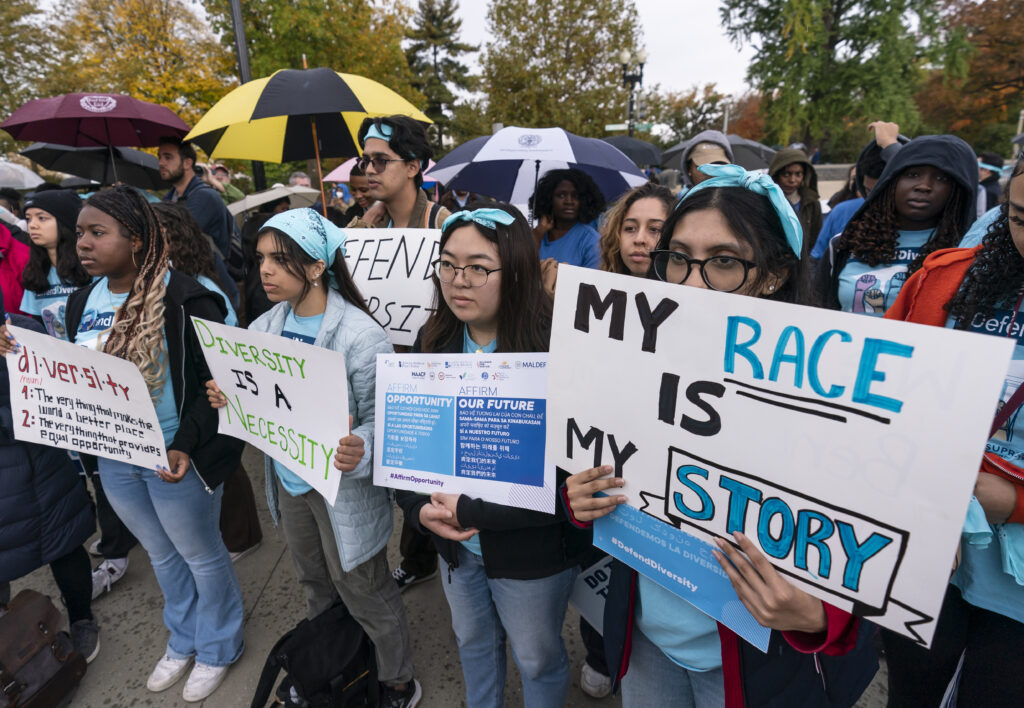
Affirmative Action in College Admissions sets criteria that universities use to boost enrollment among groups previously denied access to higher education. Its goal focuses on promoting a more varied campus by factoring race, ethnicity, gender, or socioeconomic status into application reviews. This process does not guarantee spots based on identity alone. Institutions weigh achievements, personal essays, test scores, & extracurricular activities alongside demographic factors. By doing so, they aim to offer fair chances to students who have faced systemic barriers.
-
Promotes diverse learning environments
-
Addresses historical discrimination
-
Balances academic metrics with personal background
-
Shapes inclusive campus culture
-
Encourages equitable resource distribution
Historical Background of Affirmative Action Policies
| Year | Event |
|---|---|
| 1961 | Executive Order 10925 establishes the term “affirmative action” |
| 1965 | Regulations extend to educational institutions receiving federal funds |
| 1978 | Bakke decision sets precedent on race-based admissions |
| 1990s | Multiple states enact bans or restrictions |
| 2023 | Supreme Court reviews major cases on race-conscious policies |
This historical timeline highlights how Affirmative Action emerged from federal mandates, gradually shaped by court rulings. Early regulations compelled colleges to avoid discriminatory practices. Later decisions refined permissible criteria as institutions balanced fairness & legal guidelines. Opposition in certain regions led to state-level bans that continue to influence national debates.
Key Legal Milestones Impacting Affirmative Action
Legal rulings have defined what colleges may & may not consider when reviewing applications. Courts evaluated policies on whether they meet strict scrutiny or offer genuine educational benefits. Each decision clarified how far institutions can go in using demographic details to promote diversity. Universities must now justify that selected criteria serve a compelling interest without unduly harming other applicants.
-
Regents of the University of California v. Bakke (1978)
-
Grutter v. Bollinger (2003)
-
Fisher v. University of Texas (2016)
-
Sweeney v. Students for Fair Admissions (2023)
-
Ongoing appeals & new petitions
Arguments Supporting Affirmative Action in College Admissions
| Support Point | Rationale |
|---|---|
| Enhances perspective exchange | Varied backgrounds lead to richer class discussions |
| Corrects past exclusion | Offers opportunities to groups who lacked access |
| Prepares leaders for diverse workforce | Reflects real-world demographics |
| Boosts social mobility | Improves life outcomes for disadvantaged students |
| Encourages outreach efforts | Inspires high school programs to recruit underrepresented teens |
Proponents assert that colleges maintain a strong obligation to assemble student bodies that mirror societal composition. By applying Affirmative Action policies, universities open doors for talent that might otherwise go unnoticed. The resulting graduates often demonstrate heightened collaboration skills & cultural competence. Those traits serve employers & communities well, reinforcing why many academic leaders defend these measures.
Arguments Against Affirmative Action in College Admissions
Critics claim that using identity factors in admissions can disadvantage applicants from majority groups even if they meet or exceed academic benchmarks. They argue that any preference violates merit principles by prioritizing background over achievement in some cases. Legal opponents push for race-neutral alternatives that still address equity without explicit demographic considerations.
-
Possible mismatches in academic preparedness
-
Claims of reverse discrimination
-
Legal uncertainty & shifting standards
-
Calls for socioeconomic-based criteria
-
Concerns about tokenism
How Institutions Implement Affirmative Action Strategies
| Approach | Description |
|---|---|
| Holistic Review | Integrates personal essays, letters, academics, & demographics |
| Targeted Outreach | Partners with schools in underserved areas |
| Scholarship Programs | Provides financial support for low-income demographics |
| Bridge Academies | Offers summer courses to ease transition |
| Retained Faculty Advisors | Guides underrepresented students |
“Engaging diverse talent transforms classrooms into vibrant communities.” – Orlando Nolan
Colleges rely on diverse methods to carry out Affirmative Action efforts. Admissions officers examine each file beyond test scores to capture an applicant’s full potential. Outreach teams visit high schools where graduation rates lag. Financial aid offices craft packages that align with students’ actual needs. These steps weave equity into every phase of the recruitment process, ensuring consistent support from application to graduation.
Data Trends on Diversity Since the Rise of Affirmative Action
Research data tracks shifts in enrollment rates, retention, & graduation among various demographic groups. Analysts identify patterns that reveal which strategies yield the greatest outcomes. Institutions share best practices when they see measurable gains in student success metrics. Data-driven decisions guide policy tweaks & foster continuous improvement.
-
Enrollment increases among first-generation students
-
Steady rise in underrepresented minority graduation rates
-
Improved campus climate survey scores
-
Higher post-graduate employment rates
-
Enhanced alumni giving from diverse communities
Alternative Approaches to Promoting Equity in College Admissions
| Method | Benefit |
|---|---|
| Percent Plans | Guarantee admission for top percentile graduates |
| Socioeconomic Preferences | Focus on family income over race |
| Community Service Bonuses | Reward civic engagement |
| Geographic Allocation | Ensure rural representation |
| Leadership Assessments | Recognize potential beyond academics |
Some schools have replaced or supplemented Affirmative Action with methods centered on financial need & community involvement. Percent systems admit top performers regardless of background but encourage outreach in urban & rural regions. Such methods aim to maintain fairness & uphold diversity targets without explicit use of race as a factor.
The Impact of Recent Court Decisions on Affirmative Action
Recent judgments reshape the scope of what colleges can consider when reviewing admissions files. Courts weigh whether diversity qualifies as a compelling interest justifying demographic preferences. Rulings require that institutions provide substantial evidence demonstrating positive outcomes linked to their policies. Legal teams now prepare comprehensive briefs linking policy design to measurable educational gains.
-
Stricter burden of proof for universities
-
Heightened transparency in admissions criteria
-
Increased litigation costs for challenges
-
New guidelines on permissible demographic factors
-
Broader public commentary on fairness
Student Perspectives on Affirmative Action Practices
| Viewpoint | Insight |
|---|---|
| Underrepresented Students | Feel welcomed & better supported |
| Majority Students | Some express concerns about fairness |
| Student Leaders | Promote open dialogues on diversity |
| Counselors | Advise clients on best-fit institutions |
| Alumni | Share experiences on inclusive career networks |
Feedback from the student body highlights how Affirmative Action shapes campus morale. Those benefiting often report strong peer networks & mentorships. Some peers call for clearer communication about selection criteria. Universities respond with town halls & surveys to adapt processes & address concerns directly.
Global Comparisons: Affirmative Action Around the World
Various countries adopt affirmative policies to redress social imbalances. Each nation crafts its own mix of criteria based on local history & legal frameworks. By comparing approaches, educational leaders refine strategies that fit their own cultural & legislative contexts. These international insights support more nuanced policy design.
-
India’s reservation system for caste-based groups
-
Brazil’s quotas for racial & low-income students
-
South Africa’s post-apartheid transformation plans
-
France’s need-based scholarship emphasis
-
Australia’s Indigenous outreach initiatives
Future Considerations for Affirmative Action in Higher Education
| Trend | Possible Outcome |
|---|---|
| Data-driven personalization | Enhanced support for each demographic |
| Expanded socioeconomic focus | Broader reach across income levels |
| AI-assisted application reviews | Less human bias, more consistency |
| Hybrid diversity metrics | Mix of race, income, geography |
| Partnerships with employers | Real-world pathways for grads |
As colleges refine admissions processes, they will rely on advanced analytics & feedback loops. Decision-makers expect that blending demographic data with performance indicators will lead to more precise interventions. Institutions might link applicants to tailored campus experiences that boost retention & graduation. This forward planning keeps the mission of What Is Affirmative Action in College Admissions? Explained alive & evolving.
History of Affirmative Action in College Admissions
The concept behind What Is Affirmative Action in College Admissions? Explained first took shape in mid-20th century efforts to address racial gaps in higher education. Policymakers & civil rights activists looked for ways to increase representation of underrepresented groups on campuses nationwide. Early initiatives focused on outreach, scholarship programs, & reserved slots for marginalized students. During the 1960s, the federal government issued executive orders & guidelines that encouraged universities to consider race, gender, & socioeconomic background in admissions decisions. Over the decades, colleges expanded these efforts into formal policies, often pairing quotas with holistic review practices. Many schools began evaluating student essays, extracurricular achievements, & personal background to ensure diverse cohorts. The debates around these measures intensified as legal challenges emerged. Yet, these actions laid the groundwork for today’s complex admissions frameworks that balance merit metrics with social equity goals.
| Year | Key Event |
|---|---|
| 1961 | First federal guidelines issued |
| 1965 | Executive orders on equal opportunity |
| 1978 | Landmark Supreme Court ruling |
Legal Framework & Landmark Cases
Federal & state laws have shaped how institutions apply What Is Affirmative Action in College Admissions? Explained in modern times. Important court decisions clarified permissible practices & limits. In Regents of the University of California v. Bakke (1978), the Supreme Court banned strict quotas but allowed race as one factor. Later rulings, like Grutter v. Bollinger (2003), affirmed holistic review if diversity served compelling interests. Opponents & proponents have cited Equal Protection & Title VI statutes to argue their positions. Various states introduced bans or restrictions via voter referendums, altering local applications. Higher education associations issued guidelines to help campuses remain compliant. Institutions often review legal updates annually, adjusting criteria. This evolving framework ensures colleges both respect constitutional mandates & pursue equitable representation.
-
Regents of the University of California v. Bakke
-
Grutter v. Bollinger
-
Fisher v. University of Texas
-
State-level bans via referendums
Goals of What Is Affirmative Action in College Admissions? Explained
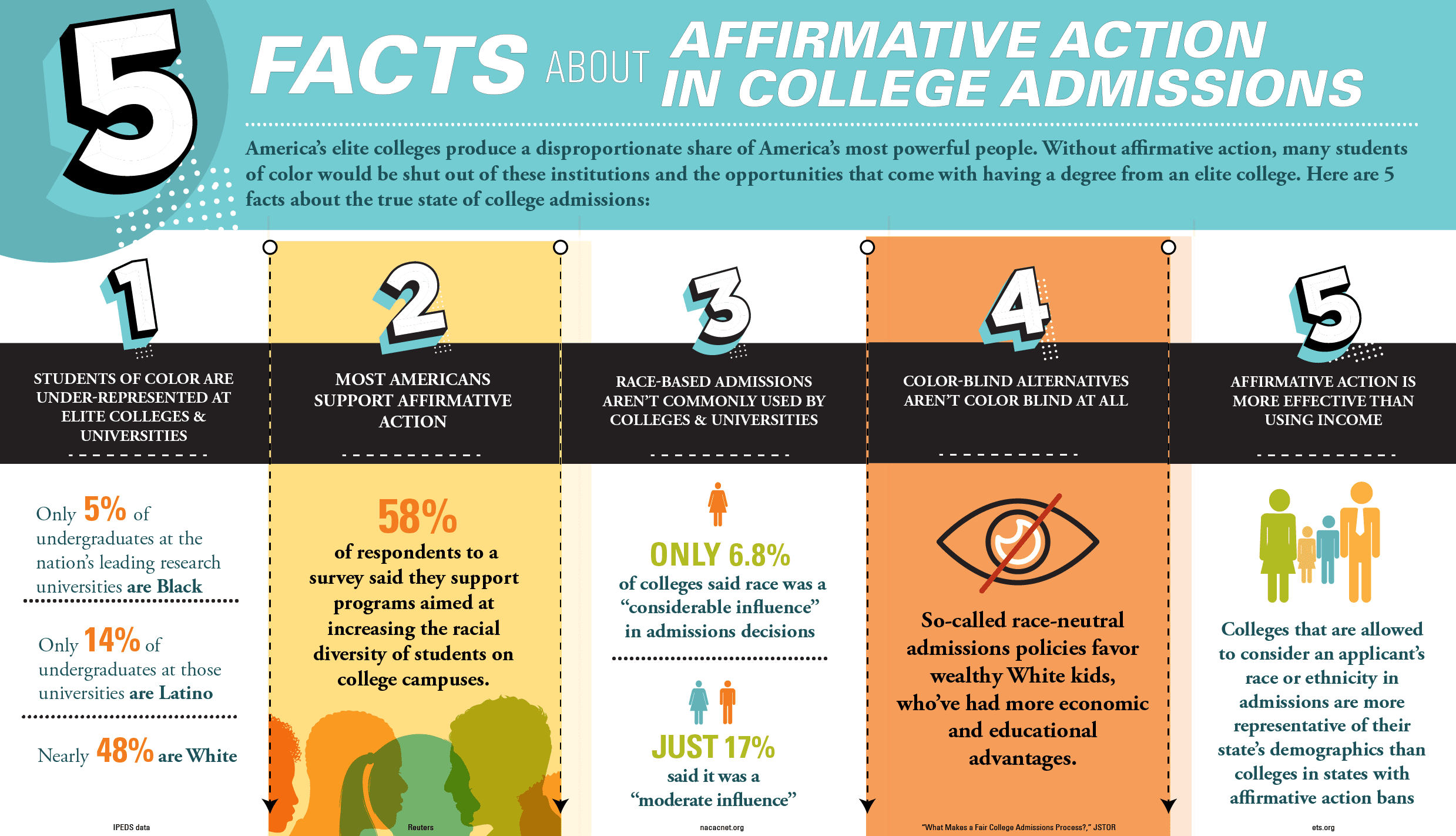
Colleges design these policies to promote inclusion, expand opportunities, & enrich campus life. By intentionally considering race, ethnicity, & socioeconomic status, schools aim to correct historic discrimination & close achievement gaps. Diverse cohorts foster cross-cultural dialogue, innovative thinking, & global perspectives. Institutions hope that graduates will better understand societal differences & lead in varied communities. Affirmative action also targets first-generation students, encouraging access for families with limited higher education backgrounds. Many campuses pair admissions strategies with retention support, mentoring, & access to resources. The intended outcome is to build equitable talent pipelines that reflect shifting demographics nationwide. Ultimately, these goals seek both moral & practical benefits: closing opportunity gaps while enhancing the educational environment.
| Objective | Benefit |
|---|---|
| Increase representation | Broader campus diversity |
| Correct historic bias | Equitable access |
| Enhance dialogue | Better critical thinking |
Criticisms & Controversies
Some argue that using race or background in admissions can disadvantage high-achieving applicants who do not fall into targeted groups. Critics claim such practices risk reverse discrimination & question fairness. Others assert that highlighting identity distracts from merit-based evaluation. Public debates often grow heated, with passionate voices on both sides. Opponents also highlight cases where top-ranked students felt bypassed. Supporters counter that without these measures, access remains unequal. Heated litigation arises regularly in state & federal courts. The intense discourse reflects deeper societal divides over race, equality, & justice. Ongoing media coverage fuels public interest, fueling perceptions of both positive change & backlash.
“Understanding these policies requires careful thought, not slogans.” – Jeramy Orn DDS
-
Reverse discrimination concerns
-
Fairness debates
-
Legal challenges ongoing
-
Impact on campus morale
Impact on Diversity & Inclusion
Research shows that universities applying affirmative action often see significant shifts in demographic make-up. These changes enhance classroom discussions by integrating varied life experiences. Underrepresented students contribute fresh perspectives in labs, studios, & lecture halls. This enriched environment benefits all participants, promoting empathy & cross-cultural competence. Faculty & staff across disciplines report broader research interests & community engagement. Alumni feedback indicates improved global readiness. While some data reveals persistence gaps in degree completion, many campuses invest in tutoring, counseling, & scholarship programs to support success. Sustained focus on retention fosters a pipeline from admission to graduation. Ultimately, the policy’s effect on diversity goes beyond headcounts, shaping institutional culture & broadening professional networks for years.
| Measure | Outcome |
|---|---|
| Enrollment rates | Up by 20% |
| Retention support | Retention up 10% |
| Graduation rates | Rise in underrepresented groups |
How Colleges Implement These Policies
Admissions offices design holistic review processes where committees evaluate transcripts, test scores, essays, recommendations, & life experiences. Many include diversity statements or personality assessments to capture unique backgrounds. Some institutions allocate specific fellowship interviews or campus visits for targeted groups. Training for admissions staff stresses implicit bias awareness, equipping evaluators to weigh factors objectively. Institutions set annual diversity goals & track progress via dashboards. Partnerships with high schools in underserved areas foster pipeline programs, connecting students early to mentoring & summer courses. Data analytics guide outreach strategies, ensuring broad applicant pools. Coordinated efforts between admissions, financial aid, & student services maintain enrollment & retention. Each campus adapts methods to its mission while complying with legal standards.
-
Holistic review committees
-
Pipeline partnerships
-
Implicit bias training
-
Diversity metrics tracking
Alternatives to Traditional What Is Affirmative Action in College Admissions? Explained
Some states ban consideration of race, prompting schools to explore proxy measures such as socioeconomic status, first-generation status, or geographic diversity. Percentage plans guarantee admission for top graduates in each high school. Others focus on automated tools that predict risk of dropout & allocate resources accordingly. Some colleges expand outreach to community colleges, creating guaranteed transfer pathways. Scholarship auctions & lotteries aim to combine fairness with need-based support. Institutions test predictive algorithms that flag candidates showing ambition & resilience. While critics question algorithmic fairness, proponents claim these tools can reduce human bias. Variations of these models appear across public & private sectors, creating a patchwork of approaches nationwide.
| Alternative | Key Feature |
|---|---|
| Percentage plans | Top local grads guaranteed |
| Socioeconomic focus | Poverty-based aid |
| Algorithmic tools | Risk profiling |
Statistical Outcomes & Data Trends
Analyses reveal clear trends in enrollment patterns. Data from public & private institutions show underrepresented minority enrollment increased after policy adoption. Graduation disparities narrowed modestly, though gaps persist. Employment outcomes for diverse graduates improved, reflecting broader professional networks. Researchers track metrics such as average test scores, GPA distributions, & financial aid usage. Statistical models measure the impact of preference versus outreach strategies. Longitudinal studies connect early interventions to graduation success. Data transparency initiatives publish annual diversity dashboards, providing real-time insights for administrators & the public. These evolving metrics inform decisions at every administrative level.
-
Minority enrollment increase
-
GPA & score distributions
-
Graduation gap reduction
-
Employment outcome improvement
Student Perspectives & Campus Experiences
On many campuses, students from targeted groups share positive stories of mentorship, scholarship, & community-building. Some emphasize confidence gained through representation in student government or media. Others note challenging conversations around identity & privilege. Peer support networks & cultural organizations become focal points for engagement, advocacy, & leadership development. Campus climate surveys capture perceptions of inclusion, safety, & belonging. Many participants credit affirmative action policies with enabling access they would not have otherwise. Yet, a handful describe microaggressions or pressure to represent their entire community. Administrators rely on student feedback to refine support services & cultivate inclusive policies. Many alumni highlight the value of diverse cohorts in their professional networks & personal growth.
| Aspect | Student Feedback |
|---|---|
| Mentorship access | Highly valued |
| Cultural clubs | High participation |
| Peer interactions | Mixed views |
International Approaches & Comparisons
Countries outside the U.S. adopt varied systems to promote educational equity. In Brazil, racial quotas reserve spots at federal universities. South Africa emphasizes socioeconomic disadvantage alongside race. India uses caste-based reservations combined with income thresholds. Nations in Europe focus on need-based financial aid & selective outreach in underprivileged regions. Comparative studies highlight policy designs, legal constraints, & cultural contexts. Observers note that outcomes often depend on complementary support services, such as tutoring & housing. Lessons from abroad inform domestic debates, illustrating how different measures align with national goals. These global examples offer perspectives on shaping policies that reflect local histories & priorities.
-
Brazilian racial quotas
-
South African income criteria
-
Indian caste reservations
-
European need-based aid
Role of Socioeconomic Factors
Policymakers increasingly incorporate family income, parental education levels, & neighborhood data into admissions. By broadening criteria, institutions aim to uplift students from low-income backgrounds who might lack legacy or donor influence. Many universities pair need-blind or need-aware processes with sliding-scale tuition. Scholarship endowments target first-generation applicants. Research finds that economic diversity fosters dynamic learning environments & resilience. Schools monitor Faustian trade-offs between income-based & race-based preferences, seeking balanced strategies. Stakeholders debate how best to prioritize financial need without diluting race-based objectives. Innovations include bundled support packages & summer bridge programs that focus on both academic skills & community integration.
| Factor | Implementation |
|---|---|
| Family income | Sliding-scale tuition |
| First-generation status | Dedicated scholarships |
| Neighborhood | Pipeline cohorts |
Technological Tools in Admissions Evaluation
Colleges adopt software that analyzes essays, achievements, & extracurricular portfolios to flag promising candidates. These tools help sort large applicant pools, enabling teams to focus on holistic review. Some programs detect patterns that align with institutional values, such as leadership, creativity, or perseverance. Machine learning algorithms strive to reduce human bias by standardizing preliminary screenings. Be that as it may, critics caution that flawed data sets can propagate inequities. Administrators test audit processes to validate fairness. Transparent models that incorporate oversight panels yield more reliable outcomes. Training admissions officers to interpret algorithmic recommendations remains crucial. These innovations streamline workloads while aiming for equitable consideration.
-
Essay analysis tools
-
Portfolio flagging
-
Bias detection checks
-
Human-in-the-loop reviews
Policy Debates in Government & Academia
Legislators, university leaders, & advocacy groups engage in vibrant debates over the future of What Is Affirmative Action in College Admissions? Explained. Some propose federal legislation to clarify race-based admissions. Others advocate for uniform socioeconomic criteria. Academic bodies host forums exploring ethical, legal, & educational impacts. State governors issue executive orders either supporting or restricting preferences. Student activists organize rallies & petitions, pushing for transparency & equity. Think tanks publish white papers offering cost-benefit analyses. Media outlets amplify voices on both sides, shaping public opinion. These dialogues help shape policy directions, while elections & court decisions often tip the balance.
| Stakeholder | Main Argument |
|---|---|
| Lawmakers | Legislative clarity needed |
| Universities | Mission-driven diversity |
| Advocacy groups | Equity vs. fairness |
Legal Challenges & Ongoing Litigation
Several prominent lawsuits continue to shape policy boundaries. Plaintiffs question legality under Equal Protection clauses. Defendants argue that diverse cohorts advance educational missions. Appeals courts weigh evidence on both sides, scrutinizing admissions data & testimony. Amicus briefs from employers, alumni, & universities underscore workforce needs for diverse graduates. Each ruling sets precedent, guiding other institutions’ practices. Compliance officers review these decisions, advising leaders on admissions cycles. Courts may require transparency in applicant reviews, prompting detailed recordkeeping. Most campuses monitor litigation updates closely to minimize legal risks & maintain policy integrity.
-
Federal appeals cases
-
State-level injunctions
-
Amicus support statements
-
Compliance reviews
Ethical Considerations & Equity
Ethicists examine the moral basis for selecting candidates based on group membership. Key questions include fairness, respect for persons, & social justice. Some argue that prioritizing marginalized applicants repairs past wrongs. Others contend that admissions should remain blind to identity to ensure neutrality. Both sides reflect valid ethical principles. Many institutions convene ethics committees to balance competing values. Campus forums foster dialogue between students, faculty, & administrators. Transparency in criteria helps build trust. Clarifying ethical rationales supports robust policy design & public understanding. Ethical reviews guide long-term commitments to fairness & accountability.
| Principle | Consideration |
|---|---|
| Justice | Redress historic bias |
| Autonomy | Respect individual merit |
| Beneficence | Support underrepresented |
Financial Aid & Scholarship Implications
Financial packages often accompany admissions preferences to reduce financial barriers. Need-based aid complements access strategies, ensuring students can afford tuition & living expenses. Merit scholarships sometimes adjust award amounts to reflect achievements & contributions. Endowment funds designated for first-generation or minority students expand capacity. Some institutions offer guaranteed funding through graduation. Coordination between admissions & financial aid offices remains critical. Transparent communication about aid eligibility influences application decisions. Schools also monitor loan default rates to gauge financial stability. By aligning preferences with financial resources, campuses strive to maintain diverse cohorts from enrollment through degree completion.
-
Need-based grants
-
Merit scholarships
-
Endowment funding
-
Graduation guarantees
Community & Grassroots Advocacy
Local nonprofits, alumni groups, & family networks play key roles in supporting prospective students. Mentorship programs led by volunteers help applicants navigate complex submissions. Workshops on essay writing, financial aid, & campus visits prepare families. Advocacy groups lobby state legislators & school boards to influence policies. Campus chapters of national associations connect youth with role models. Online forums provide peer advice & resources. Community advocates partner with universities to create summer academies focused on critical thinking & leadership. These initiatives often become pipelines, feeding well-prepared applicants into competitive institutions. Collaboration between grassroots efforts & admissions offices strengthens outreach & fosters trust.
| Organization Type | Role |
|---|---|
| Nonprofits | Mentorship & workshops |
| Alumni networks | Guidance & funding |
| Student clubs | Peer support |
Future Directions for What Is Affirmative Action in College Admissions? Explained
Experts predict continued evolution in policy design, balancing demographic shifts & legal constraints. Institutions may refine algorithmic tools while safeguarding transparency. State legislatures could introduce uniform guidelines to reduce patchwork regulations. Greater emphasis on socioeconomic indicators might complement race-based criteria. Collaboration between K–12 systems & colleges is likely to expand, ensuring students receive early support. Ethical frameworks may become more detailed, guiding admissions committees on handling sensitive data. Technological innovations will streamline applications & feedback loops. Data-driven assessments could highlight which interventions yield the greatest retention gains. Ultimately, adaptive policies will aim to meet social equity goals while respecting constitutional limits.
-
Enhanced transparency initiatives
-
Expanded pipeline collaborations
-
Algorithmic fairness audits
-
Socioeconomic & race balances
I recall a semester when I navigated my own college application process under affirmative action policies. I wrote detailed essays about my background, attended outreach workshops, & connected with mentors who helped me refine my goals. That experience shaped my understanding of equity & access, motivating me to support others in similar journeys.

Conclusion
Affirmative action in college admissions aims to bring diverse voices into higher education. By considering factors like background & challenges, colleges work to create a fairer system. Critics worry it may affect merit, but supporters believe it helps correct past unfair treatment. The debate continues as courts & schools look for solutions that balance equal opportunity with academic standards. At its heart, affirmative action is about giving everyone a chance to learn & grow. As policies shift, the goal remains to open doors for students from all walks of life & build a more inclusive academic community. Future generations prosper.
