
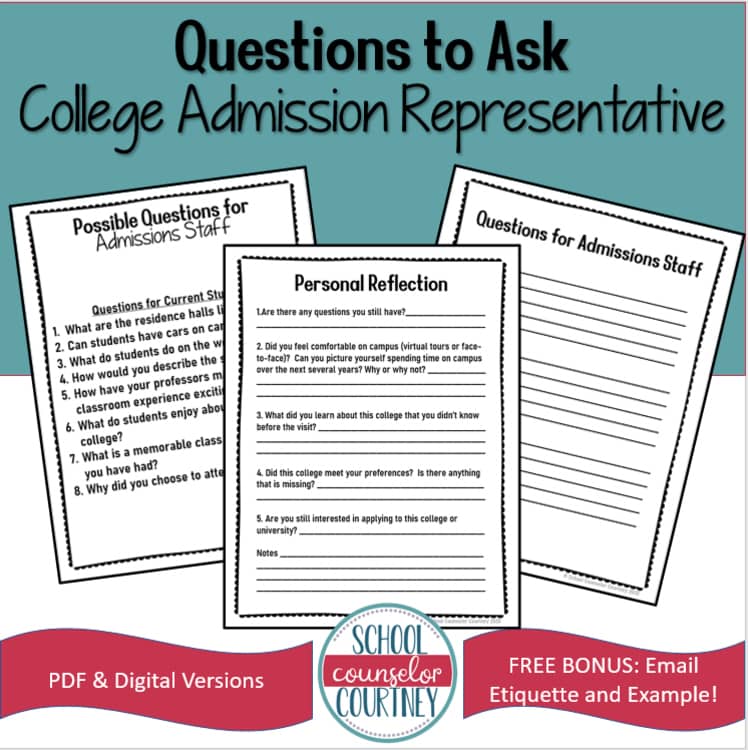
Unique College Admissions Questions PDF: Stand Out in Your Application. Use our Unique College Admissions Questions PDF to prep smarter & Stand Out in your Application easily.

Why Distinctive Prompts Make a Difference for Your College Application
Crafting essay questions that break away from generic options signals to admissions readers that you bring forward thinking & personal insights. When you pull questions from the Unique College Admissions Questions PDF: Stand Out in Your Application, you access prompts built to highlight individual journeys & genuine reflection. Such prompts spark narratives rich in detail, allowing stories about challenges overcome, passions discovered, or leadership moments to flow naturally. Interviewers & readers sift through thousands of routine answers; they pause over essays that respond to questions crafted for depth & clarity. Strong questions push candidates to reveal motivations, articulate long-term visions, & demonstrate self-awareness. By choosing questions that align with your background, you avoid recycled themes & surface-level commentary. This approach ensures that each answer feels fresh, tightly woven with your voice & experience, & shows intentional engagement. Selecting these targeted questions demands foresight, creativity, & honest introspection. The result: a portfolio of responses that positions your application as memorable & uniquely expressive.
| Benefit | Impact |
|---|---|
| Custom prompts | Highlight personal voice |
| Reflective questions | Showcase self-awareness |
| Analytical topics | Reveal critical thinking |
| Story-centered ideas | Engage reviewer interest |
Effective Techniques to Generate Original Essay Questions
Developing a suite of fresh prompts starts with self-examination & strategic planning. Begin by listing your achievements, setbacks, values, & curiosities. Conversations with mentors or past instructors can spark lines of inquiry you might have never considered. Consult the Unique College Admissions Questions PDF: Stand Out in Your Application for guided exercises, because that resource organizes prompts by theme, level of introspection, & academic focus. Block out time each week to brainstorm without judgment. Record every idea even the seemingly trivial to revisit later when refining. Use mind-mapping tools or sketch boards to connect disparate concepts: perhaps a community service project relates back to a childhood memory of resilience. Finally, condense longer prompts into concise, thought-provoking questions you can practice answering. This iterative cycle generate, review, refine ensures that every question you craft carries personal significance & invites a substantive response.
-
Brainstorm Personal Milestones
-
Map Challenges & Solutions
-
Collect Feedback from Peers
-
Use Mind-Mapping Tools
-
Review Themed Prompt Sections
-
Practice Drafting Responses
Exploring Templates in the Unique College Admissions Questions PDF: Stand Out in Your Application
The PDF resource contains a variety of templates designed to guide you through question creation in categories such as leadership, problem-solving, creativity, & ambition. Each template pairs a general prompt with follow-up pointers that help you customize the core question to your personal story. As you work through leadership prompts, for instance, the template may ask you to identify a moment when you influenced a team & then suggest sub-questions about decision-making & conflict resolution. This modular format encourages deeper analysis & ensures you cover both context & outcome. You can mix elements from different templates for example, combining a creativity prompt with an academic challenge scenario to craft truly one-of-a-kind questions. These structured examples also serve as models for tone, length, & depth. By studying how each template layers inquiry, you learn to maintain cohesion & focus, even when exploring expansive topics that showcase your strengths.
| Template Category | Customizable Elements |
|---|---|
| Leadership | Context, Impact, Reflection |
| Problem-Solving | Challenge, Strategy, Result |
| Creativity | Inspiration, Process, Outcome |
| Ambition | Goal, Motivation, Next Steps |
Transforming Generic Prompts into Personalized Narratives
Turning a standard prompt into a narrative that resonates demands that you embed personal anecdotes & specific details. Start by pinpointing which aspects of a boilerplate question align with your own history. Suppose a prompt asks, “Describe a time you overcame a challenge.” You can refine it by specifying whether that challenge was academic, personal, or community-based. Reflect on sensory details what you saw, heard, or felt to bring scenes to life. When questions invite analysis, like describing a decision-making process, map out your thought sequence step by step, linking each choice to your core values or aspirations. Always circle back to how that moment shaped your future path. By investing time in molding phrasing & inserting relevant context, you guarantee that responses capture attention & remain memorable long after the essay is read.
-
Pinpoint Relevant Personal Episodes
-
Insert Sensory Details
-
Sequence Your Thought Process
-
Connect Moments to Future Goals
-
Refine Phrasing for Clarity
Criteria for Selecting High-Impact Questions
Not every prompt you create will resonate equally. Use a selection checklist to identify those questions most likely to highlight your unique qualifications. First, ensure the prompt demands introspection rather than simple fact recitation. It should encourage you to reveal motivations, lessons learned, or perspective shifts. Second, verify relevance to your intended major or extracurricular passions; an essay on community art projects plays best if you pursue a creative field. Third, confirm that the question allows you to demonstrate transferable skills communication, leadership, resilience rather than only domain-specific knowledge. Finally, test the question by drafting a brief outline of bullet points. If you struggle to come up with distinct anecdotes or if the outline feels thin, the prompt may need deeper customization or replacement. This methodical evaluation keeps your question portfolio lean & powerful.
| Selection Factor | Key Indicator |
|---|---|
| Depth | Encourages Reflection |
| Relevance | Aligns with Goals |
| Skill Showcase | Highlights Transferable Abilities |
| Richness | Sparks Multiple Examples |
Best Practices for Customizing Questions to Your Profile
Tailoring prompts to reflect your personal background & aspirations elevates each question from generic to compelling. Begin with core aspects of your identity: cultural heritage, family traditions, or formative educational experiences. Weave those elements directly into your questions for instance, replace “What inspires you?” with “How has your family’s entrepreneurial spirit molded your definition of innovation?” Then, adapt tone & complexity to match the audience; an Ivy League application may tolerate more advanced vocabulary than a state college form. Track your edits in a revision log so you can compare versions of each question & choose the strongest iteration. Whenever possible, use concrete figures or milestones dates, outcomes, project names to ground prompts in real achievements. This strategy signals to admissions officers that you approach your application with precision & authenticity.
-
Highlight Cultural or Family Influences
-
Specify Audience & Tone
-
Maintain a Revision Log
-
Embed Concrete Data Points
-
Align Prompts with Aspirations
Integrating Reflective & Analytical Prompts
Balancing introspection with critical analysis showcases your ability to both feel deeply & think rigorously. Reflective prompts ask you to explore internal growth what did you learn about yourself? Analytical prompts require you to dissect processes or outcomes how did you arrive at that solution? The Unique College Admissions Questions PDF: Stand Out in Your Application groups these two prompt types side by side so you can blend them seamlessly. For example, you might start with a question about a defining moment in teamwork & follow up by asking how that experience influences your approach to collaboration today. This pairing shows self-awareness & strategic reasoning in one package. When you practice, draft answers that flow from “I felt…” into “I concluded…” segments, ensuring both emotional resonance & logical clarity.
| Prompt Type | Primary Focus |
|---|---|
| Reflective | Personal Growth |
| Analytical | Process Evaluation |
| Hybrid | Emotion + Logic |
| Comparative | Before vs. After |
Incorporating Unexpected Angles to Captivate Admissions Officers
Adding an unusual twist to your questions can instantly grab attention. Instead of a standard leadership prompt, you could ask, “In what way did a mistaken decision lead you to innovate new protocols?” Such an angle takes the reader off guard & prompts them to anticipate an unconventional story. Use random association techniques pair a hobby with a skill, like combining rock climbing with conflict resolution to generate prompts that feel fresh. Rotate through different cultural, scientific, or artistic lenses. Borrow ideas from philosophy by posing a short ethical dilemma tied to your own experiences. The trick lies in making that twist both surprising & relevant to your narrative. Keep in mind that novelty must serve purpose: it should uncover a genuine lesson or insight, rather than simply entertain.
“Using precise, thought-provoking questions transforms an application into an authentic conversation.” – Dr. Lennie Lynch III
-
Apply Random Association
-
Pair Hobbies with Skills
-
Pose Mini Ethical Dilemmas
-
Rotate Through Lenses
-
Ensure Relevance
Balancing Creativity & Relevance in Your Question Choices
Creativity attracts immediate attention, but relevance sustains engagement. Each prompt you finalize should spark curiosity while directly tying back to your application goals. To strike this balance, score each potential question on two scales: originality & applicability. Originality measures how uncommon the angle feels; applicability gauges direct connections to your academic or personal objectives. Plot those scores on a simple grid questions in the high-high quadrant make the cut. Eliminate prompts that score low on either scale to avoid essays that read as clever but disconnected, or deeply relevant but utterly predictable. This disciplined approach prevents overemphasis on gimmicks or dryness, guiding you toward a robust, engaging question set.
| Criteria | Assessment |
|---|---|
| Originality | Uncommon Angle |
| Applicability | Direct Relevance |
| Balance Score | Average of Two |
| Decision Rule | High-High Only |
Time Management Tips for Practicing Unique Prompts
Efficient practice ensures you develop thoughtful, polished responses under any deadline. Allocate dedicated blocks twenty to thirty minutes each for drafting answers to one prompt at a time. Use timers or apps that silence distractions. After your initial draft, schedule shorter review sessions in the following days, focusing each time on one aspect: specificity of examples, clarity of language, emotional resonance, & structural coherence. Leverage the Unique College Admissions Questions PDF: Stand Out in Your Application with its built-in practice templates to simulate timed workshops. Keep all drafts in a single digital folder for quick cross-referencing. This system prevents wasted time hunting for past versions & builds a clear progression of improvement.
-
Schedule Draft Sessions
-
Use Timers to Focus
-
Segment Review Phases
-
Centralize Draft Storage
-
Track Revision History
How to Evaluate the Effectiveness of Your Drafted Questions
Assessment requires both quantitative & qualitative measures. Start by setting word-count limits for each draft response to ensure brevity & focus. Then, solicit feedback from two to three trusted advisors teachers, counselors, or mentors asking them to rate each prompt on clarity, engagement, & personal resonance. Record their scores in a table to compare across questions. Further, use readability tools to confirm that your prompts strike an appropriate tone & complexity for your target institutions. Finally, perform a self-check: re-read each question a week later. If it still feels fresh & prompts new thoughts, it passes the longevity test. Otherwise, refine the framing or switch to a different angle.
| Evaluation Step | Action |
|---|---|
| Word Count | Set Limits |
| Peer Review | Collect Scores |
| Readability | Run Tool Checks |
| Longevity Test | Revisit Later |
Utilizing Peer Feedback to Improve Unconventional Questions
Quality feedback transforms good prompts into exceptional ones. When you share your drafted questions & model answers with peers, ask them to highlight areas of confusion or disinterest. Provide clear guiding questions for reviewers: Which prompt compelled you to ask “Tell me more”? Which felt vague or generic? Encourage constructive criticism rather than praise only. After gathering comments, look for recurring themes if multiple peers mention the same unclear phrase, revise that wording immediately. Maintain a feedback log to document each suggestion & your response to it so you can track improvements over time. This collaborative loop ensures your prompts remain crisp, engaging, & aligned with your authentic voice.
-
Share with Diverse Peers
-
Ask Focused Review Questions
-
Log Recurring Suggestions
-
Implement Targeted Revisions
-
Compare Versions Post-Feedback
Aligning Your Questions with Institutional Values & Culture
Research each college’s mission statement, recent news, & student life to ensure that your prompts echo those priorities. If a university highlights sustainability, formulate a question around environmental stewardship, such as “How has a hands-on conservation project shaped your approach to sustainability?” For an institution focused on civic engagement, you might ask, “What civic responsibility means to you, & how have you actioned that belief?” This alignment signals genuine interest & demonstrates you’ve invested effort beyond generic submissions. Document each college’s keywords & weave those terms into your question drafts to reflect shared values authentically.
| Institution Focus | Sample Question Alignment |
|---|---|
| Sustainability | Conservation Impact Story |
| Civic Engagement | Community Action Reflection |
| Innovation | Prototype Development Insight |
| Diversity | Cultural Exchange Experience |
Ensuring Clarity & Brevity in Complex Question Drafts
Complex topics risk becoming verbose or confusing if you don’t trim them carefully. After drafting, read each question aloud & time yourself; if it runs past ten seconds, consider splitting it into two parts or simplifying the language. Remove subordinate clauses or replace them with direct phrasing. Use active verbs to keep the question dynamic. For technical fields, avoid jargon unless you know the reader has similar expertise. Whenever you shorten a question, verify that it still captures the intended nuance sometimes brief can also lose depth. Strike a balance where the question remains precise but doesn’t overwhelm the reader with dense phrasing.
-
Read Aloud for Flow
-
Time Spoken Length
-
Replace Subordinate Clauses
-
Limit Technical Jargon
-
Check for Lost Nuance
Exploring Advanced Question Formats in the PDF Resource
The Unique College Admissions Questions PDF: Stand Out in Your Application goes beyond simple open-ended formats by introducing scenarios, paired comparisons, & multimedia prompts. Scenario formats place you in hypothetical situations, like mediating a student council dispute, & ask how you would respond. Paired comparisons ask you to weigh two concepts, such as traditional vs. digital storytelling methods, & defend your choice. Multimedia prompts invite you to react to an image, chart, or video clip, encouraging visual literacy. Experimenting with these advanced templates broadens your ability to handle unexpected questions & demonstrates versatility. As you practice, note which formats play to your strengths & which demand further preparation so you can refine your question list accordingly.
| Format Type | Distinct Feature |
|---|---|
| Scenario-Based | Hypothetical Decision |
| Paired Comparison | Choice Defense |
| Multimedia | Visual Stimulus |
| Sequence | Step-by-Step Analysis |
Common Pitfalls to Avoid When Crafting Unique Prompts
Even with an outstanding PDF guide, you can slip into patterns that weaken your questions. Avoid overly broad phrasing that invites generic answers. Steer clear of loaded or leading wording that forces a single “correct” stance. Don’t cram too many ideas into one question complexity can overwhelm. Resist copying sample lines verbatim; paraphrase & personalize. Also, limit abstract concepts without anchoring them in real-world examples. Finally, don’t forget to proofread each prompt for grammar & punctuation; a single typo can distract reviewers & undercut your credibility.
-
No Overly Broad Formats
-
Avoid Leading Wording
-
Keep One Idea per Prompt
-
Personalize Sample Lines
-
Proofread for Errors
Supplemental Exercises to Enhance Your Question-Building Skills
Beyond the PDF’s built-in worksheets, include targeted drills to sharpen creativity & precision. Try the “Question Swap” exercise: exchange drafts with a peer & rewrite each other’s prompts in two different styles one narrative, one analytical. Next, run the “Time Crunch” drill: challenge yourself to draft three distinct prompts in fifteen minutes. Finally, practice the “Reverse Engineering” activity: take a model essay & work backward to formulate the prompt that best suits its structure & theme. Recording these exercises in a journal helps you spot patterns in your strengths & areas for growth.
| Exercise Name | Activity |
|---|---|
| Question Swap | Peer Rewrite Challenge |
| Time Crunch | Rapid Prompt Drills |
| Reverse Engineering | Model Essay to Prompt |
| Reflection Journal | Track Skill Growth |
Next Steps to Finalize & Compile Your Unique Question Portfolio
With a polished list of custom prompts & refined drafts, organize your portfolio in a clear sequence: group by theme, complexity, or intended application. Create a simple index or spreadsheet that lists each question, target institution, & selected keywords. Attach thumbnail summaries of your model response for quick reference during application editing. Back up the entire folder in cloud storage & print a hard copy to review away from screens. Finally, schedule a final run-through session where you answer every question under timed conditions. This full rehearsal guarantees confidence & readiness, ensuring that your Unique College Admissions Questions PDF: Stand Out in Your Application selections deliver maximum impact.
-
Group by Theme or Complexity
-
Create an Indexed Spreadsheet
-
Attach Model Response Summaries
-
Back Up Digital & Print Copies
-
Conduct Full Timed Rehearsals
Why Unique Questions Matter
When applicants face the same set of prompts, their essays tend to blend together & feel generic. By exploring questions that stray from the usual path, you demonstrate creativity & genuine self-awareness. Interviewers & admission officers read hundreds of statements; unique questions give you a chance to pause their scrolling fingers. You connect with reviewers on a human level by offering fresh angles on your motivations, experiences, or aspirations. This element of surprise often leads committees to spend more time on your application, which can tilt decisions in your favor. You show that you’ve done more than glance at common advice: you’ve dug deeper to find ways to distinguish yourself. Ultimately, choosing questions that reflect your authenticity helps you craft a narrative only you could tell.
| Advantage | Benefit |
|---|---|
| Memorability | Committee recalls your story |
| Authenticity | Displays true character |
How to Access the Unique College Admissions Questions PDF: Stand Out in Your Application
Securing a reliable copy of the Unique College Admissions Questions PDF: Stand Out in Your Application starts with reputable sources. Educational websites, college prep forums, or advisors often host a download link. In a different context, ask your high school counselor to share a vetted version. When downloading, double-check the file’s integrity & source credibility. Avoid random file-sharing sites that might inject malware. Once you confirm authenticity, save the PDF in a dedicated folder on your computer & back it up to cloud storage. Organizing your library ensures you can pull up prompts quickly whenever inspiration strikes. By keeping the PDF readily accessible, you stay ready to brainstorm essays, interviews, or personal statements at any time.
- Download from trusted educational portals
- Request version from college advisors
- Store in organized cloud folders
- Verify file authenticity before opening
Crafting Original Responses
After you select a question from the PDF, begin with freewriting. Jot down every thought related to the prompt without judging your ideas. Focus on vivid memories, emotions, or achievements that directly address the question. Then refine your ideas by clustering them into themes leadership, creativity, resilience, or curiosity. Choose the theme that feels most genuine & build an outline around it: introduction, personal anecdote, reflection, & takeaway. Next, weave concrete details & descriptive language to bring your story to life. Vary sentence length to maintain reader engagement & avoid clichés. You’ll end up with an essay that stands out because it centers on your unique voice & perspective, not just generic accomplishments.
| Step | Action |
|---|---|
| 1 | Freewrite without filter |
| 2 | Identify key themes |
| 3 | Create structured outline |
| 4 | Incorporate vivid details |
Using Sample Prompts from the PDF
The PDF includes a selection of prompts that may not appear on standard application forms, such as “Describe a time you challenged popular opinion” or “Share a skill you invented.” These sample prompts serve two purposes: they stretch your thinking & prepare you to handle unpredictable questions. Work through several prompts weekly to build mental agility. Time yourself to simulate real interview conditions. Evaluate which questions evoke intense reflection & which produce shallow responses. Concentrate on those that push you to dig deeper into your experiences. By practicing with a broad range of questions, you sharpen your ability to pivot during an in-person or virtual meeting. You also cultivate a reserve of story material that you can adapt for essays, interviews, or scholarships.
- Select prompts that spark strong reactions
- Time twenty-minute writing sessions
- Analyze which answers feel authentic
- Adapt anecdotes for multiple contexts
Incorporating Personal Anecdotes
Admissions officers crave details that reveal character. When you recount an event, paint the scene clearly: describe the setting, participants, & your sensory impressions. Share your internal dialogue at each turning point. Did your heart race before giving a presentation? Did a mentor’s advice shift your perspective during a volunteer project? By embedding these small moments in your narrative, you transform a bland summary into a compelling story. Aim to spotlight the consequences of your actions & the growth that followed. Your anecdote should also tie back to the question’s core so your conclusion feels cohesive. This approach leaves a lasting impression, making your application stand out even in a crowded stack.
| Element | Detail |
|---|---|
| Setting | Where event occurred |
| Sensory Detail | Sights, sounds, emotions |
| Outcome | Lesson learned |
Editing & Reviewing Your Answers
Once your draft takes shape, switch to editing mode. Read your essay aloud to catch awkward phrasing or redundancy. Trim any filler words & ensure each sentence pushes your narrative forward. Verify that your response directly addresses the prompt without drifting off-topic. Scrutinize the balance between anecdotal detail & reflection too much story risks superficial insight, while too much reflection can feel vague. Use readability tools to measure sentence length & complexity, keeping your tone engaging & clear. Finally, check for grammar or spelling errors; small mistakes can distract from an otherwise powerful answer. A polished essay signals your dedication to excellence & respect for the admissions review process.
- Read aloud to identify awkward wording
- Eliminate filler & redundancies
- Balance story with insight
- Use tools for readability checks
Seeking Feedback from Mentors
After self-editing, present your work to teachers, counselors, or professionals who know you well. Ask them to focus on clarity, consistency, & authenticity rather than just pointing out errors. Encourage them to question whether your narrative convincingly highlights your strengths & values. If they raise concerns about tone or pacing, listen carefully & revise as needed. Their outside perspective can reveal blind spots you might have missed, such as relying on jargon or assuming background knowledge. Incorporate their suggestions judiciously, ensuring you retain your authentic voice. This collaborative process refines your essay while preserving its individuality.
| Reviewer | Focus Area |
|---|---|
| Teacher | Clarity & flow |
| Counselor | Content relevance |
| Professional Mentor | Authenticity check |
Preparing for Unexpected Follow-ups
Some admissions panels ask impromptu follow-up questions to your written essays. They may call you in for a virtual interview or send additional prompts. To stay ready, keep a separate note of possible clarifications related to each PDF prompt you practiced. For example, if you wrote about leading a community project, prepare to discuss logistics, challenges, & your team’s dynamics in more depth. Rehearse concise explanations aim for one or two minutes per response. This ensures you articulate key points without rambling. Staying organized with bullet points or flashcards helps you confidently handle any curveball questions.
- List potential follow-up topics
- Create flashcards for quick recall
- Practice one- to two-minute responses
- Simulate interview conditions
Common Mistakes to Avoid
Even the best content loses impact if you trip on common errors. Avoid regurgitating achievements that appear elsewhere in your application. Steer clear of broad generalizations statements like “I learned a lot” fail to show what you actually learned. Don’t overload your answer with jargon or acronyms unless you immediately define them. Resist the urge to shoehorn every accomplishment into one narrative; focus on a central theme instead. Lastly, watch your tone: being overly casual or overly formal can both work against you. Aim for sincere & confident language that aligns with the question’s spirit.
| Error | Solution |
|---|---|
| Repeating achievements | Focus on new insights |
| Vague language | Use specific examples |
| Overuse of jargon | Adopt clear terms |
Formatting Your PDF for Submission
When you attach your document, ensure it meets each school’s guidelines. Use a standard font such as Times New Roman or Arial at size 12, & maintain one-inch margins. Convert your final draft to PDF to preserve layout & font choices. Name your file descriptively include your last name & the prompt number, for instance “Smith_Question5.pdf.” Verify that page numbers appear if you submit multi-page responses. If the PDF demands a cover page, include only essential information: your name, application ID, & the question title. A clean, professional layout reinforces the quality of your written content.
- Select readable font & size
- Keep one-inch margins
- Use clear file naming convention
- Include page numbers if needed
Leveraging PDF Annotation Tools
PDF annotation features help you highlight key sections & jot margin notes. Tools like Adobe Acrobat or free alternatives let you comment on areas needing review or mark strong passages for reference. You can also use annotation tools to track feedback from mentors by color-coding suggestions. Later, filter annotations by color to address each reviewer’s comments systematically. This visual organization streamlines revision cycles & ensures no suggestion is overlooked. Familiarity with these tools boosts your efficiency as you polish multiple essay drafts.
| Tool | Feature |
|---|---|
| Adobe Acrobat | Highlight, comments, stamps |
| Foxit Reader | Text markups, drawing |
| PDF-XChange | Sticky notes, shapes |
Maintaining Your PDF Library
As you gather new prompts or revise existing ones, create subfolders labeled by year or topic. This archive system prevents confusion between older drafts & your latest versions. Consider version control by appending dates to file names, such as “2023-09-15_SmithPrompt3.pdf.” Periodically review your library to remove outdated prompts or responses that no longer align with your goals. A tidy collection saves time when a last-minute application request appears.
- Create folders by year or theme
- Use date-stamped file names
- Delete obsolete prompts
- Back up library regularly
Enhancing Application Strategy
Integrate your PDF practice into a broader plan: set weekly goals for question exploration, draft completion, & mentor reviews. Track your progress on a simple spreadsheet that logs prompt dates, draft status, & feedback received. This bird’s-eye view helps you prioritize tasks & allocate time effectively. Staying disciplined in this way prevents last-minute rushes & ensures each essay benefits from ample reflection & revisions.
| Goal | Frequency |
|---|---|
| Draft new responses | Weekly |
| Self-edit | Bi-weekly |
| Mentor review | Monthly |
Sharing PDF with Peer Groups
Forming a study circle with classmates or prospective students lets you exchange sample answers & critique each other’s work. Rotate hosting duties so everyone leads a review session for one prompt. During these meetings, offer constructive feedback focusing on clarity & coherence. Hearing peers read your essay aloud can reveal tone issues or unclear sections you missed. Collaborative sessions boost motivation & refine your essays through multiple perspectives.
- Exchange draft responses
- Schedule regular critique meetings
- Provide constructive feedback
- Note areas needing clarity
Updating Your Question Bank Annually
Admit practices evolve each application cycle, so refresh your PDF annually. After each submission season, review which prompts produced strong essays & which felt forced. Remove weaker prompts & search for new questions from college websites or forums. Tag each question with application cycles to track trends over time. This yearly maintenance keeps your question bank fresh & aligned with current admissions expectations.
| Year | Action |
|---|---|
| 2023 | Added creativity prompts |
| 2024 | Removed overused leadership questions |
| 2025 | Incorporated ethics scenarios |
Tracking Your Response Progress
Use a simple spreadsheet or project management tool to map each essay’s status: draft, editing, review, or final. Include columns for word count, mentor suggestions, & submission date. This systematic tracking prevents overlooked edits & ensures you meet each deadline effortlessly. Visualizing progress gives a sense of control & reduces stress as application dates approach.
- List each prompt
- Assign progress status
- Record mentor feedback
- Mark completion dates
Analyzing Trends in Admissions Prompts
Over time, you might spot patterns: topics on adaptability, social impact, or personal growth may recur. Use your PDF archive to chart prompt frequencies & emerging themes. This analysis informs which areas you should strengthen with new experiences or reflections. Preparing material around frequently asked themes ensures you have polished responses ready when similar questions appear.
| Theme | Frequency |
|---|---|
| Leadership | High |
| Innovation | Medium |
| Community Service | High |
Securing Confidential Copies of PDF
Some institutions provide unique questions only to applicants. If you receive such PDFs, treat them as confidential assets. Store them in encrypted folders & avoid sharing publicly. Read any usage restrictions carefully so you comply with their terms. Responsible handling demonstrates your integrity & respect for the admissions process.
- Use encrypted digital storage
- Respect confidentiality clauses
- Limit sharing to authorized individuals
- Delete copies after use if required
“The act of engaging with the Unique College Admissions Questions PDF: Stand Out in Your Application allowed me to discover angles of my story I’d never considered.” – Chauncey Goyette
I remember the moment I first opened a set of unconventional prompts & felt a surge of excitement. I grabbed a highlighter & jotted down ideas furiously, sensing that this was more than just practice it was my opportunity to reveal layers of my personality that standard questions hadn’t touched. That exercise shaped my final essay & gave me the confidence to speak authentically during my interview.

Conclusion
Using the Unique College Admissions Questions PDF can help you find fresh ways to share your story. It offers a set of engaging prompts that spark ideas & push you to reflect on who you are. With this guide, you get space to plan strong responses that show your personality & goals. Try writing, editing, & asking friends for feedback. This practice will boost your confidence & help you feel ready. By exploring each question, you’ll discover what makes your path special. Grab the PDF, work through its prompts, & watch your application stand out with honest, clear, personal answers.
