
Top Questions to Ask a College Admissions Counselor Before Applying. Cover the Top Questions to ask a College Admissions Counselor Before Applying for a winning application.
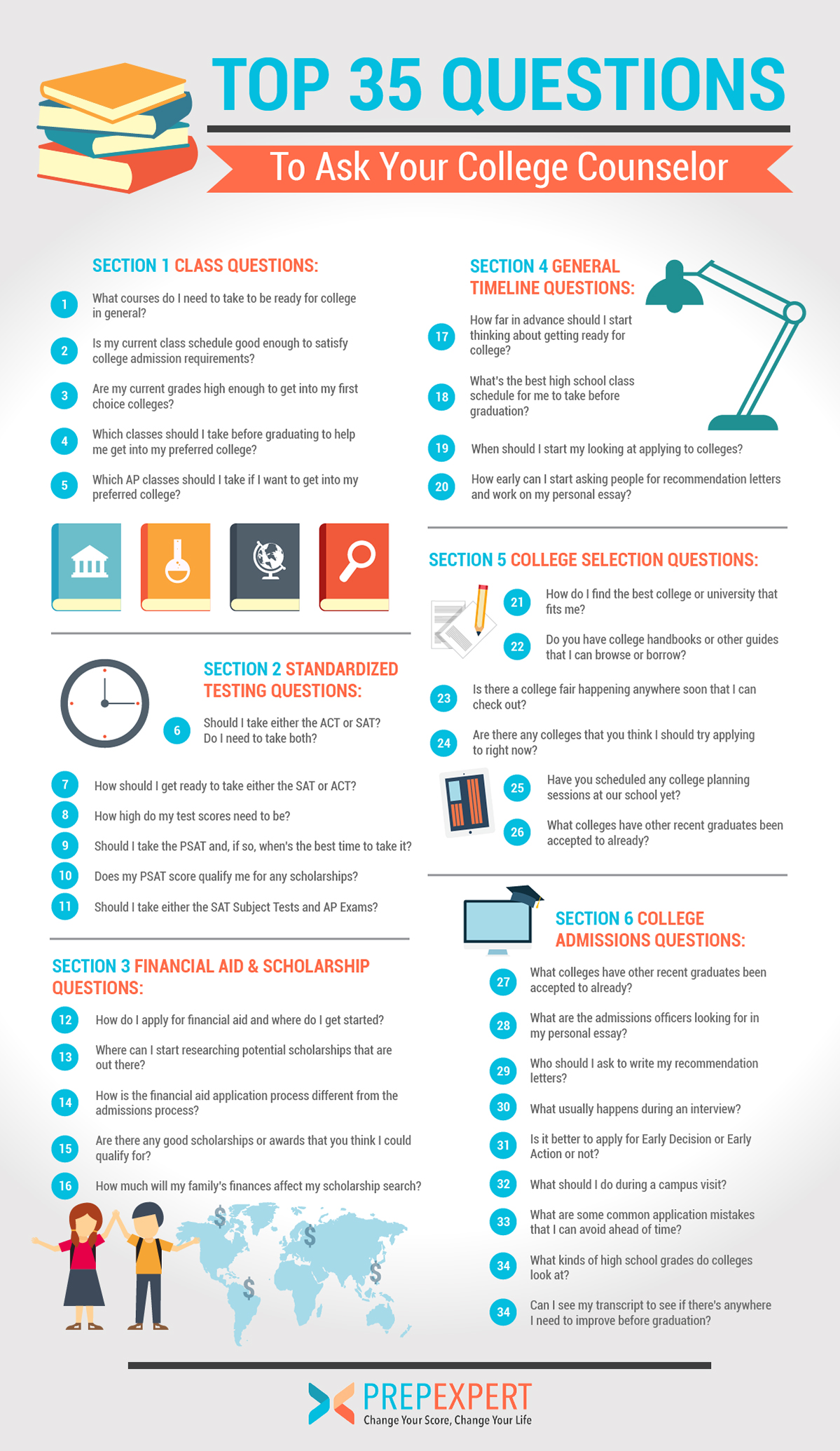
What are the admissions requirements & how flexible are they?
When contacting a college admissions counselor, students should clarify core admissions requirements & ask how strictly criteria apply. Requirements generally include transcripts, standardized test results, essays, & recommendation letters. Some programs might demand portfolios, interviews, or prerequisite courses. Candidates must confirm which materials receive priority & whether slight deficiencies can be offset by strengths in other areas. Understanding the adaptability of each criterion helps applicants plan strategically before applying to college. Counselors can offer examples of past admitted students who faced atypical backgrounds but gained admission due to exceptional talents, leadership experiences, or unique demographics. Asking about any available waivers or alternative paths is beneficial for those who may not meet standard metrics or who follow nontraditional schooling tracks. A clear view of flexibility prevents surprises & guides prospective students in assembling a competitive application.
-
What GPA range do you typically accept?
-
Are standardized test scores required or optional?
-
Can creative portfolios substitute for certain academic prerequisites?
-
Do you offer conditional admission or probationary programs?
-
Will recommendation letters from nonfaculty mentors carry weight?
How does the evaluation process work & what criteria are prioritized?
One of the Top Questions to Ask a College Admissions Counselor Before Applying relates to which elements of an application hold the greatest influence. Admissions officers often evaluate academic records, test scores, essays, leadership roles, community service, & extracurricular involvement. Some institutions employ holistic reviews that weigh personal background, hardship overcome, & potential contributions to campus life equally with grades. Others may emphasize standardized assessments or subject-specific achievements. Applicants need clarity on whether interview performance impacts decisions & if demonstrated interest such as campus visits or outreach interactions affects their standing. A thorough overview of the evaluation timeline also helps candidates predict when they will receive decisions. By asking how the admissions team assigns weight to each factor, students can target strengths in their profiles & allocate preparation time effectively.
| Evaluation Aspect | Typical Weight |
|---|---|
| Academic Record | 30% |
| Standardized Tests | 20% |
| Essays & Writing Samples | 25% |
| Extracurricular Activities | 15% |
| Interviews & Recommendations | 10% |
Can you detail the scholarship & financial aid opportunities available?
Prospective students often overlook this essential area while preparing for the upcoming application cycle. A direct inquiry about institutional grants, merit-based scholarships, need-based assistance, work-study options, & external funder collaborations can reveal significant savings. Counselors can share deadlines for scholarship applications, eligibility metrics, & documentation requirements. Some colleges allocate departmental awards or alumni-funded fellowships, while others match federal or state subsidies. Understanding award renewal criteria & average award amounts helps applicants forecast four-year budgets. By asking whether additional top-ups or summer program stipends exist, families can minimize out-of-pocket expenses. Learning which factors such as leadership roles or academic majors trigger the highest awards empowers students to align their profiles strategically.
-
What percentage of students receive institutional scholarships?
-
Are any grants guaranteed for full-time enrollment?
-
Do you offer need-based aid without requiring FAFSA?
-
Are there merit awards for essay contests or creative work?
-
Can students combine multiple scholarships?
What campus resources support academic success & personal growth?
Before applying to college, asking about on-campus support structures gives applicants a realistic view of their potential learning environment. Academic advising centers help students map out course selections, manage credits, & address registration challenges. Tutoring services, writing labs, & subject-specific learning communities foster collaboration & skill development. Counseling centers handle stress management, mental health, & crisis intervention, while career services organize resume workshops, mock interviews, & networking events. Disability services ensure accommodations for various learning needs, from note-taking to extended test times. Specialized programs such as accelerated tracks, honors colleges, or first-generation student initiatives can provide additional mentorship & cohort experiences. Clarifying hours of operation, access procedures, & staffing ratios helps candidates gauge the level of personal support they will receive over four years.
| Service | Key Features |
|---|---|
| Academic Advising | Degree planning, credit audits |
| Tutoring & Workshops | Peer-led sessions, drop-in hours |
| Counseling & Wellness | Individual therapy, stress workshops |
| Career Center | Job fairs, internship matching |
| Disability Services | Exam accommodations, assistive tech |
How does the application timeline & deadlines look throughout the year?
Keeping track of multiple deadlines can overwhelm even the most organized applicants. A precise timeline clarifies early decision, early action, regular decision, & rolling admission cutoffs. Students should ask when supplements, portfolios, & interview requests must reach admission offices. Understanding internal review windows for scholarship consideration, housing applications, & financial aid awards ensures a streamlined submission process. Counselors often provide checklists that break down tasks by month, preventing last-minute rushes. Inquire whether extension requests ever receive approval & how late changes such as updated test scores or grade reports affect final decisions. Access to template timelines or digital portals that send automated reminders can make rigorous schedules more manageable for busy seniors balancing academic & extracurricular commitments.
-
When do early decision notifications arrive?
-
What’s the final date for regular decision?
-
Are gap years accommodated in the application cycle?
-
When does housing application open & close?
-
Can I submit updated grades after initial submission?
What is the student demographic & faculty-to-student ratio on campus?
Prospective enrollees often evaluate campus culture by reviewing demographic breakdowns, diversity statistics, & class size averages. Students from different regions, socioeconomic backgrounds, or international locales contribute distinct perspectives to the learning community. A lower faculty-to-student ratio typically translates to more individualized attention, smaller discussion groups, & closer mentorship opportunities. Applicants should ask about interdisciplinary collaboration, cohort-based learning, & faculty office hour availability. Inquire whether professors teach undergraduates or if teaching assistant–led sections prevail. Asking for recent demographic data helps families assess how well their child might integrate & find affinity groups. A quick snapshot of graduation rates & retention figures further indicates how supported students feel as they progress toward degrees.
| Category | Statistic |
|---|---|
| Total Enrollment | 15,000 |
| Undergraduates | 12,000 |
| International Students | 18% |
| Minority Representation | 45% |
| Faculty Ratio | 1:12 |
How are housing & meal plans organized for first-year students?
Living arrangements shape early college experiences significantly. First-year students often receive priority placement in residence halls designed for incoming classes. Ask counselors about single, double, & suite-style options, as well as gender-inclusive or substance-free floors. Meal plans range from unlimited swipe cards to block meal systems paired with declining balance accounts. Clarify dining hall hours, on-campus cafe options, & guest meal protocols for family visits. Some institutions require full board for first-year students, while others allow commuter or off-campus living. Inquire about support for special dietary needs vegetarian, vegan, halal, kosher & whether kosher kitchens or allergen-free zones exist. Early clarity on costs, contract lengths, & room selection dates prevents last-minute stress & helps students finalize budgets.
-
What room types are guaranteed for freshmen?
-
Are meal plans mandatory for first-year students?
-
Can I switch plans mid-semester?
-
Do suite-style living options exist?
-
How do I request allergy accommodations?
What internship & career services are available to help me transition into the workforce?
Effective career preparation often hinges on the institution’s strength in linking students with employers. Prospective applicants should learn how the career center scouts internships, research opportunities, & part-time roles related to majors. Many colleges host annual job fairs, employer meet-&-greets, & alumni panels. Students must ask whether services include resume reviews, mock interviews, on-campus recruiting, & digital networking platforms. Success metrics such as average internship placement rates, highest starting salaries, & notable employer partnerships offer tangible evidence of institutional support. Clarify if career advisors specialize by industry or academic division & whether career fairs occur virtually, in person, or hybrid. This insight allows applicants to gauge how smoothly they will convert academic credentials into professional achievements.
| Service | Details |
|---|---|
| Internship Matching | 400+ placements per year |
| Employer Networking | 50+ annual fairs |
| Career Workshops | Resume & interview prep |
| Alumni Mentoring | 300 active mentors |
| Job Portal | Exclusive postings |
How accessible is student counseling & wellness support on campus?
Transitioning into college can trigger academic stress or personal challenges. Inquiring about counseling capacity, appointment wait times, & crisis intervention protocols helps applicants plan. Many institutions offer individual therapy, group counseling, & psychiatry services. Wellness programs often include stress management workshops, fitness classes, mindfulness sessions, & peer support networks. Asking whether off-hours or weekend services exist ensures continuous access. Disability support offices coordinate accommodations for learning differences or chronic health conditions. Some campuses partner with telehealth providers to expand availability. Confirm whether these services cost extra, how confidentiality is maintained, & if self-referrals require faculty or parent permission. This information guides students toward a supportive environment for both mind & body.
-
What is the average wait time for initial counseling sessions?
-
Are emergency mental health services available 24/7?
-
Do wellness workshops address sleep, nutrition, & stress?
-
Is teletherapy an option for remote students?
-
How do I access disability accommodations?
What extracurricular & campus involvement options exist for new students?
Joining clubs, sports teams, & student organizations fosters community & leadership development. Ask the admissions counselor which groups actively recruit freshmen & how students can attend involvement fairs. Service-learning trips, cultural associations, academic societies, Greek life, & performing arts ensembles each offer unique social circles & skill-building opportunities. Clarify whether dues or audition requirements apply & if leadership positions rotate annually. Inquire about funding sources for student-led projects, research grants for club initiatives, & travel stipends for competitions. Understanding how involvement ties into resume-building & potential scholarship criteria helps applicants prioritize time commitments & ensures a balanced campus experience.
| Type of Organization | Examples |
|---|---|
| Academic Clubs | Math Society, Debate Team |
| Cultural Groups | International Student Club |
| Performing Arts | Choir, Theatre Troupe |
| Service Organizations | Habitat for Humanity |
| Recreational Sports | Intramural Basketball |
How does transfer credit & advanced placement credit apply toward degree requirements?
Students with AP tests, IB diplomas, or dual-enrollment transcripts should confirm how many credits transfer & which courses fulfill core requirements. Counselors can detail minimum grade thresholds & subject equivalencies. Some departments cap the number of external credits, while others offer full recognition for high scores. Prospective entrants should verify if transfer credits appear on transcripts or merely apply to general electives. Inquire whether departmental exams or placement tests can award additional credit. Early clarity on the credit review process helps students plan summer courses, community college classes, or study abroad programs that accelerate graduation. Understanding credit residency rules also informs scholarship renewal & athletic eligibility.
-
What minimum AP score is needed for credit?
-
Does dual-enrollment count toward major requirements?
-
Are there limits on credits from nonaccredited institutions?
-
Do transfer credits affect GPA calculations?
-
Can I test out of certain courses?
What alumni network & mentoring initiatives are available post-graduation?
Strong connections with alumni open doors to job leads, networking events, & mentorship for early-career professionals. Ask which alumni chapters operate in major cities, how regularly they host gatherings, & if a formal mentor matching system exists. Some programs pair current students with graduates working in targeted industries, while others offer speaker series, company site visits, & virtual networking platforms. Inquire about success stories where alumni played a pivotal role in placements, internships, or graduate school admissions. Understanding alumni engagement metrics such as volunteer hours, fundraising contributions, & regional presence helps gauge how alive & supportive the network remains after graduation.
“A well-informed applicant asks targeted questions that lead to realistic expectations & better preparation.” – Abel Hahn
| Alumni Service | Description |
|---|---|
| Mentorship Program | One-on-one career advising |
| Networking Events | Industry panels, mixers |
| Job Boards | Exclusive alumni postings |
| Alumni Discounts | Conference, software rates |
| Continuing Education | Discounted courses |

Academic Prerequisites & GPA Expectations
When you engage a Top Questions to Ask a College Admissions Counselor Before Applying, you should seek clarity on the minimum GPA requirements. Different institutions set varying baseline GPAs for consideration, & some programs demand a higher standard due to competitive applicant pools. In this segment, focus on how your high school transcripts will be assessed, whether weighted or unweighted GPAs carry more weight, & if grade trends during junior & senior years affect admission. An admissions counselor can explain whether remedial or advanced placement courses factor differently into that GPA calculation. They can also share data on the average GPA of admitted students, giving you a realistic target. By asking these targeted questions, you’ll gauge if you need to raise your academic performance or seek summer coursework to boost your standing. Clear insight into GPA expectations allows you to build an application that aligns precisely with institutional benchmarks, minimizing surprises after submission.
GPA Criteria Breakdown
| GPA Metric | Implication |
|---|---|
| Weighted GPA | Reflects honors/AP/IB extra points |
| Unweighted GPA | Standard 4.0 scale assessment |
| Trend Analysis | Upward trends show improvement |
Standardized Test Requirements
Another key Top Questions to Ask a College Admissions Counselor Before Applying revolves around standardized tests. Ask whether the SAT, ACT, or other exams like TOEFL or IELTS hold more credibility at that institution. Some colleges have gone test-optional, while others still mandate scores. You should also learn about score superscoring policies, which combine your highest section scores from multiple test dates to generate a single composite. Inquire if the school prefers official score reports or if self-reported scores suffice during initial reviews. And another thing, find out if particular programs require subject-specific tests or if placement exams are required after admission. Gathering this information early helps you allocate study time strategically, decide when to register, & consider retakes without jeopardizing deadlines. A counselor’s guidance ensures that you meet testing criteria without unnecessary effort or expense.
Testing Policies to Explore
- Mandatory vs. Optional testing status
- Superscoring guidelines for multiple attempts
- Accepted testing agencies & reporting methods
- Subject test requirements for specialized majors
Course Rigor & Placement Policies
When crafting an application, ask a Top Questions to Ask a College Admissions Counselor Before Applying about how they view course selection rigor. Admissions teams often evaluate honors, AP, IB, & dual-enrollment classes more favorably. Understanding if the institution conducts placement exams upon arrival clarifies whether you should pursue advanced high school coursework. You can find out if a school offers credit for AP scores above a threshold or if they require departmental assessment tests. And another thing, inquire how remedial courses are handled, & whether they impact financial aid or count towards credit loads. This conversation ensures you don’t miss opportunities to earn college credit early or inadvertently place into unnecessary introductory classes that may extend your time to graduation.
Credit & Placement Overview
| Course Type | Credit Treatment |
|---|---|
| AP/IB | Credits for scores ≥ threshold |
| Dual Enrollment | Transferable as standard credits |
| Remedial | Non-credit-bearing but required |
Extracurricular Involvement Impact
You should inquire about how admissions committees weigh Top Questions to Ask a College Admissions Counselor Before Applying regarding your extracurricular activities. Some institutions prize leadership roles over participation frequency, while others value depth of commitment. Ask which activities volunteering, athletics, arts, or clubs carry the most influence during evaluation. You can also learn if work experience, internships, or entrepreneurial ventures count as extracurriculars. A counselor may clarify whether they expect a certain number of activities or focus on unique contributions. This detail helps you tailor your portfolio & reposition some efforts to highlight transferable skills like teamwork, initiative, & community engagement. Armed with this knowledge, you position yourself for maximum impact.
Activity Evaluation Factors
- Leadership vs. membership roles
- Duration & consistency of involvement
- Recognition, awards, & documented impact
- Unique or interdisciplinary contributions
Financial Aid Options & Scholarship Opportunities
One of the most financially significant Top Questions to Ask a College Admissions Counselor Before Applying explores available scholarships & need-based aid. Ask what internal scholarships the institution offers academic, merit-based, talent-based, or community service-driven & the specific criteria for each award. Discover whether funds roll over for multiple years or require renewal with a minimum GPA. And another thing, find out if the school uses the CSS Profile, FAFSA, or institutional forms for need-based assistance. A counselor can explain timelines for scholarship applications & whether separate essays or letters of recommendation are needed. By clarifying these details, you map out a financial action plan, ensure timely form completion, & maximize the likelihood of securing external sponsorships or departmental awards.
Financial Aid Breakdown
| Aid Type | Application Deadline |
|---|---|
| Need-Based Grants | FAFSA by January 1 |
| Merit Scholarships | Institutional deadline March 15 |
| Department Awards | Separate form by February 1 |
Work-Study & Campus Employment
To complement scholarships & grants, you need clarity on work-study & campus job availability critical Top Questions to Ask a College Admissions Counselor Before Applying. Enquire about the number of positions offered, average student earnings, & if employers prefer first-year applicants. Determine if there’s a centralized career office that posts job openings on-campus & off-campus partnerships for students. Some schools guarantee work-study placements, while others allow you to compete for roles at dining halls, libraries, or research labs. Understanding these logistics helps you plan a budget that includes expected earnings & shapes your decision about hourly commitments versus academic load.
Employment Opportunities List
- Federal work-study eligibility & wages
- On-campus roles: library, IT, lab assistant
- Off-campus partnerships: local businesses
- Academic department assistantships
Housing Choices & Living Communities
Housing significantly impacts your collegiate experience, making it one of the essential Top Questions to Ask a College Admissions Counselor Before Applying. Ask if first-year students are required to live on campus & what residence styles suite, apartment, or traditional dorm are available. Clarify dining plan obligations, roommate assignment procedures, & policies for requesting single rooms. You can also find out about living-learning communities tied to majors or interests, like sustainability, entrepreneurship, or language immersion. A counselor can provide acceptance rates for themed housing & detail waitlist procedures for high-demand communities. With this knowledge, you can weigh costs, social environment, & proximity to academic buildings when selecting your housing preference.
Housing Options Table
| Residence Type | Features |
|---|---|
| Traditional Dorm | Shared room, communal bathrooms |
| Suite | Private bathroom, multiple bedrooms |
| Apartment | Kitchen, living area, utilities |
Campus Clubs & Organizations
Inquiring about student life through Top Questions to Ask a College Admissions Counselor Before Applying ensures you find a vibrant environment beyond the classroom. Ask how many clubs exist, the process for starting a new organization, & if there are leadership training resources. Identify key student government structures, cultural associations, or special interest groups, & learn whether funding comes from student fees or external sponsors. A counselor may highlight annual student-run events, like service days or campus festivals, & detail volunteer involvement rates. Engaging actively in clubs enhances skills, networks, & overall satisfaction, so ensure the campus offers opportunities aligned with your passions.
Popular Organizations Overview
- Student Government Association
- Academic Honor Societies
- Community Service Corps
- Cultural & Arts Clubs
Student Support Services & Health Resources
When preparing your list of Top Questions to Ask a College Admissions Counselor Before Applying, include queries about available support networks. Ask about academic tutoring centers, writing labs, & peer mentoring programs. Investigate mental health resources, such as on-campus counselors, crisis hotlines, & wellness workshops. Confirm whether the health center provides basic medical care, & if health insurance requirements exist for international students. And another thing, learn about disability services, ADA accommodations, & assistive technology loans. By understanding the full spectrum of services, you ensure you can thrive academically & emotionally from day one on campus.
Support Services Matrix
| Service | Availability |
|---|---|
| Peer Tutoring | Free, drop-in hours |
| Health Clinic | By appointment |
| Counseling Center | 24/7 hotline & sessions |
| Accessibility Office | Individualized support plans |
Application Timeline & Key Deadlines
Knowing the critical dates helps you submit a polished application one of the most practical Top Questions to Ask a College Admissions Counselor Before Applying. Request a detailed timeline for early decision, early action, & regular decision deadlines. Ask about priority application dates for scholarships or specific programs, such as honors colleges. Clarify dates for submitting transcripts, test scores, recommendation letters, & essays. Find out the turnaround time for financial aid award letters, as these can influence your choice among acceptance offers. Armed with this schedule, you can build a backward calendar, plan essay drafts, & avoid last-minute errors.
Deadline Checklist
- Early Decision I: November 1
- Early Action: November 15
- Regular Decision: January 15
- Scholarship Priority: December 1
Essay Guidance & Topic Selection
Strong essays differentiate your file another critical Top Questions to Ask a College Admissions Counselor Before Applying. Ask what essay prompts the college uses & whether they prefer one extended essay or multiple short responses. Find out if the admissions office publishes sample essays or holds workshops. Enquire about common pitfalls, such as clichés or unsupported claims, & ask what qualities they seek: resilience, leadership, or creativity. Determine if supplemental essays for specific programs exist, & whether you can use the same essay for multiple prompts. Insight into essay expectations helps you craft authentic narratives that showcase your unique voice & experiences.
Essay Preparation Tips
| Tip | Action |
|---|---|
| Prompt Analysis | Identify core question |
| Brainstorming | List personal experiences |
| Peer Review | Gather feedback early |
| Revision Schedule | Plan multiple drafts |
Interview Format & Preparation Strategies
Not every institution interviews applicants, making it essential Top Questions to Ask a College Admissions Counselor Before Applying on this topic. If interviews occur, ask whether they’re conducted by admissions officers, alumni, or faculty, & if they’re offered in-person or virtually. Query about typical question categories academic, personal, or situational & request resources on sample questions. Find out how much weight interviews carry in the final decision. Knowing these details helps you practice responses, refine body language, & prepare thoughtful questions of your own. By mastering interview expectations, you can present a confident & authentic portrayal of your strengths.
Mock Interview Checklist
- Review common question types
- Practice concise storytelling
- Prepare insightful questions
- Test technology for virtual sessions
Faculty Engagement & Research Projects
For aspiring researchers, inquire about faculty-student collaboration an advanced Top Questions to Ask a College Admissions Counselor Before Applying. Ask if first-year students can join labs or research centers & how to approach professors for mentorship. Determine any formal programs, such as summer research fellowships or honors theses. Find out about funding options for undergraduate research & if conference travel receives support. Seek details on publication opportunities or co-authorship. Understanding these pathways lets you plan proposals & cultivate relationships with faculty mentors early.
Research Opportunities Table
| Program | Eligibility |
|---|---|
| Undergrad Lab Assistant | GPA ≥ 3.5 |
| Summer Fellowship | Application in February |
| Honors Thesis | Department nomination |
Career Services & Internship Placement
Securing internships & post-graduation employment anchors your long-term success another core Top Questions to Ask a College Admissions Counselor Before Applying. Ask about on-campus career fairs, employer networking events, & the availability of one-on-one career coaching. Learn if the office maintains a database of internships & alumni connections. Find out how early they begin guiding students & whether they offer resume workshops or mock interviews. Clarify placement rates for recent graduates & typical sectors where alumni work. With this insight, you can assess how effectively the institution prepares students for careers.
Career Services Offerings
- Resume & cover letter reviews
- Mock interviews & group sessions
- Alumni networking platforms
- Job & internship portals
Diversity & Inclusion Programs
College should reflect a range of voices, making it vital to ask Top Questions to Ask a College Admissions Counselor Before Applying about diversity initiatives. Inquire if the institution has offices dedicated to multicultural affairs, LGBTQ+ support, or first-generation student services. Ask about mentorship, leadership development programs, & scholarship opportunities aimed at underrepresented groups. Find out how the campus fosters dialogue through events, speakers, & cultural celebrations. Understanding these efforts indicates whether the environment supports your unique identity & encourages open exchange.
Diversity Initiatives Overview
| Program Type | Support Level |
|---|---|
| Multicultural Center | Workshops, mentoring |
| LGBTQ+ Alliance | Safe spaces, events |
| First-Gen Fellows | Peer groups, scholarships |
Alumni Networks & Networking Prospects
Finally, probe the strength of alumni ties crucial in many fields & another practical Top Questions to Ask a College Admissions Counselor Before Applying. Ask how active the alumni association is, whether they host regional chapters, & if digital platforms connect graduates across cohorts. Learn whether alumni mentor current students or offer internship referrals. Discover how often alumni return for panels or networking receptions on campus. By understanding alumni engagement, you can gauge long-term relationship potential that extends beyond graduation.
Alumni Engagement Channels
- Regional chapter events
- Virtual networking portals
- Mentorship match programs
- Annual homecoming panels
Personal Reflection on Admissions Counseling
I vividly remember when I first sat down with an admissions counselor during high school; I asked direct questions about timelines & scholarship details, & her candid responses transformed my application approach. I revised my essays, adjusted my course load, & applied for targeted grants based on that guidance. Because I asked probing questions & stayed organized, I earned acceptance into my top-choice university, & I continue to rely on clear communication with advisors for every major decision in my academic journey.
“By engaging directly & asking specific queries, applicants unlock clarity & direction through the admissions process, making it an empowering experience.” Mr. Saul Toy III
Conclusion
Asking the right questions before you apply can give you a clearer picture of life at your chosen college. Feel free to ask about course options, advising support, & career help. Don’t forget to discuss deadlines, financial aid, & housing choices. Asking about campus clubs, health services, & study abroad lets you see if it fits your needs. A counselor can share tips on improving your application & point you to resources. Remember, honest conversation helps you & the school decide if you’re a good match. Then take time to prepare questions & listen closely. Good luck with your applications!
