
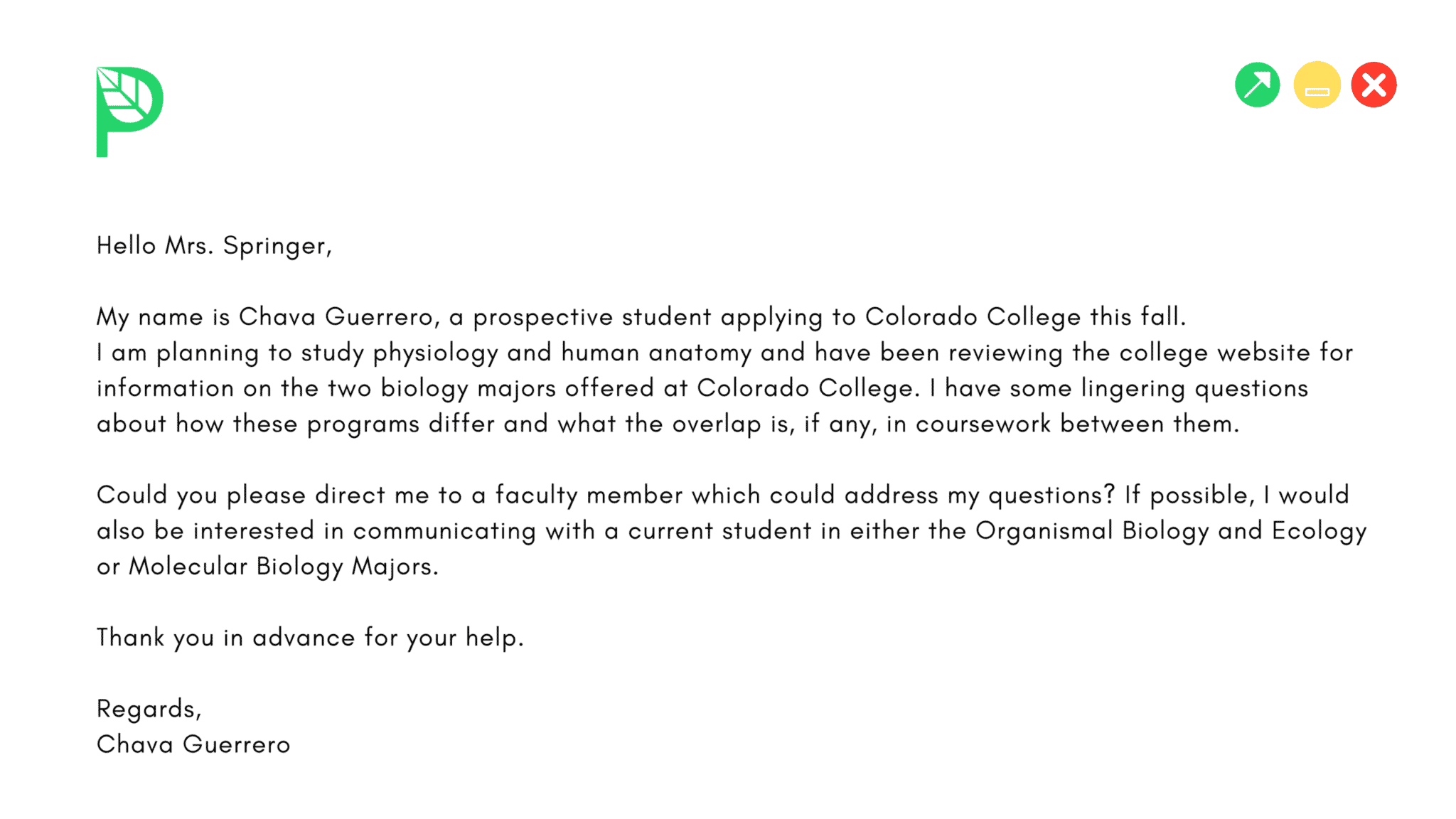
Should I Email My College Admissions Counselor? Advice & Timing. Curious Should I Email My College Admissions Counselor? Get quick advice & best timing tips.
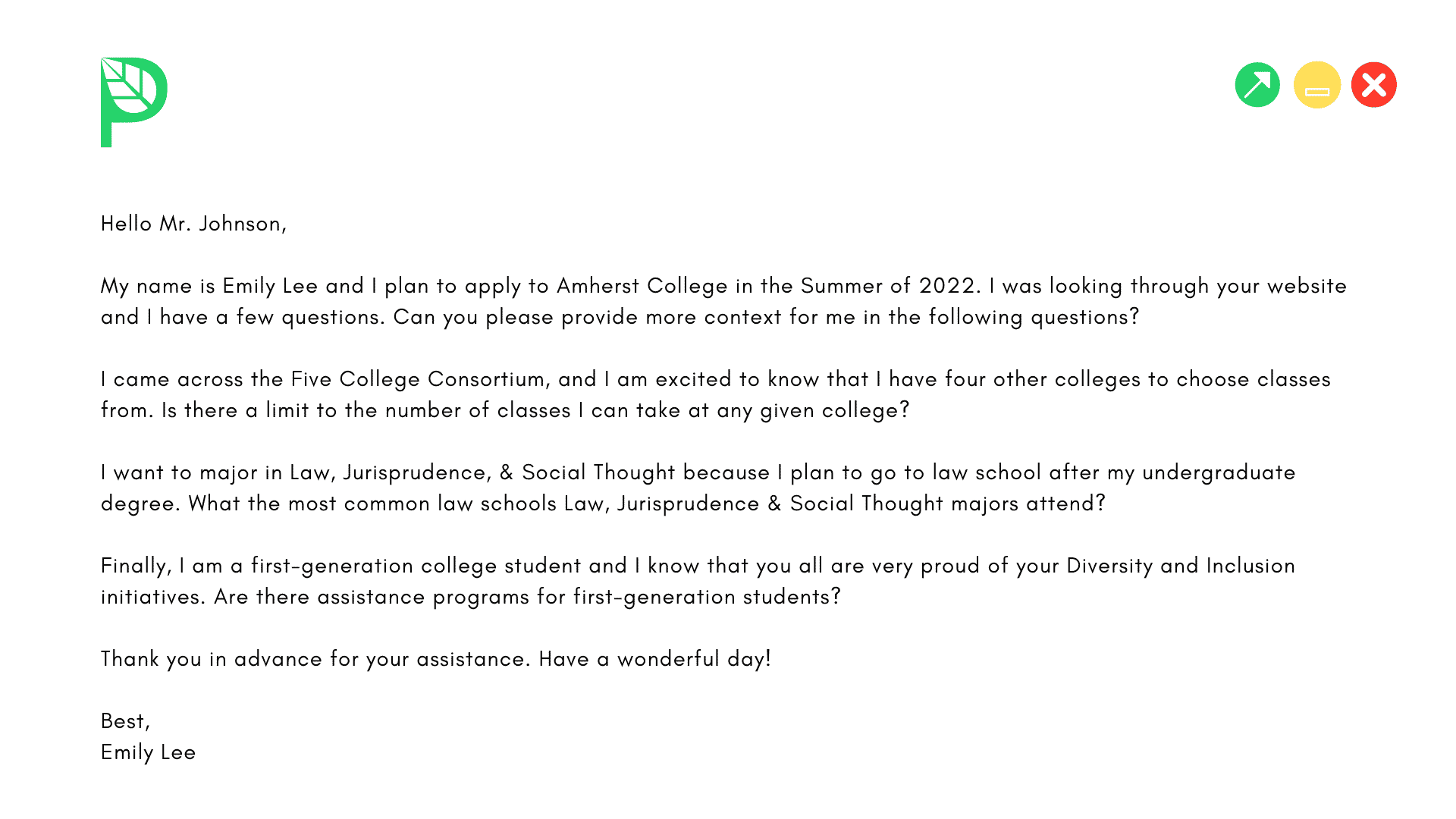
Identifying the Optimal Moments to Reach Out
When applicants consider Should I Email My College Admissions Counselor? Advice & Timing, perfect timing matters. Admissions teams typically process questions in batches, prioritizing urgent academic or technical issues. If you email too early before test scores or transcripts arrive or too late, during peak holiday breaks, you risk receiving a generic reply or no reply at all. Weeks following deadline windows tend to be busiest, so aim for midcycle periods when staff update portals & clear inquiries. Checking your application status online can reveal small gaps in processing that signal a good moment to send a targeted question. That approach helps ensure your message doesn’t get lost in a crowded inbox, & it demonstrates respect for institutional schedules while giving you precise feedback on your application’s progress.
| Time Frame | Reason to Email |
|---|---|
| One week after deadline | Confirm receipt of materials |
| Mid-application cycle | Clarify missing items |
| Two weeks post-decision | Ask about waitlist status |
| Open house follow-up | Express interest |
Key Elements to Include in Your Message
Crafters of concise communications stand out when deciding Should I Email My College Admissions Counselor? Advice & Timing. Begin with a brief opening that states your full name, application ID, & program of interest. Follow that with one clear question or request broad or multi-part inquiries often confuse staff & delay replies. Add context: reference the date of your application submission or specific portal update. Finally, close with gratitude & an offer to provide additional documentation if needed. Each sentence should drive you toward resolution, keeping your email under 200 words to respect your recipient’s workload while covering all vital points.
Main Components
- Identifying details (name, ID, program)
- Clear single request
- Relevant reference (date or portal status)
- Polite closing with contact info
Establishing Your Purpose in the Email
Before you hit send on your draft asking Email my college admissions counselor, outline your goal in a single sentence. That clarity helps you avoid tangents & demographic background that admissions officers don’t need. Whether you need confirmation of fee payment, options for interviews, or more details about campus visits, stick to one topic per message. Admissions teams assign each category of request to different staff members, so grouping topics enhances response accuracy. If you have multiple concerns, send separate emails with distinct subject lines. When you focus on a clear purpose, you exhibit professionalism & improve the odds of a prompt reply that fully addresses your needs.
| Purpose | Key Detail |
|---|---|
| Transcript Status | Date sent, sender name |
| Interview Request | Preferred days/times |
| Financial Aid Info | Specific scholarship name |
| Campus Visit | Available dates |
Crafting a Subject Line That Captures Attention
A strong subject line can determine whether your email stands out among hundreds that a College Admissions Counselor receives daily. Be direct: include your program name, application ID, & the essence of your request. For example, “ID 12345: Clarification on Supplemental Essay Deadline” draws eyes. Avoid vague lines like “Question” or “Application Help,” which bury urgency. Place key terms at the beginning so filters don’t truncate them. This practice speeds up sorting & helps staff recognize & prioritize your message. Remember, your subject line serves as your first impression, so invest time in crafting one that reflects brevity & specificity.
A clear, concise approach when asking Should I Email My College Admissions Counselor? Advice & Timing can turn uncertainty into action.” Roscoe Goyette MD
Maintaining Professionalism & Tone
Your tone directly influences how your email is received by admissions officers. Use courteous language, clear grammar, & a respectful greeting. Avoid emojis, slang, or overly casual phrasing. Address the counselor by name when possible for instance, “Dear Ms. Thompson.” Then shift quickly into polite business language. Thank them for their prior work, if relevant, & close with “Sincerely” or “Best regards.” This level of formality signals maturity & awareness of professional norms, supporting a positive perception of your application overall.
Professional Email Tips
- Address by name
- Use complete sentences
- Avoid slang & emojis
- Close with a polite sign-off
Following Up Appropriately After Sending Your Email
After you send your question about Advice & Timing, set a reasonable follow-up schedule. If no reply arrives within two weeks, send a polite reminder referencing your original message. Restate your name & inquiry succinctly, & ask if they need additional information. Avoid sending multiple reminders within a short span; that could come across as pushy. A single well-timed nudge often suffices. This demonstrates patience & respect for their workload, while ensuring your query doesn’t slip through unnoticed.
| Action | Time Frame |
|---|---|
| Initial Email | Day 0 |
| First Follow-Up | Day 14 |
| Second Reminder | Day 21 (if necessary) |
| Alternative Contact | Day 28 |
How to Handle Non-Response or Delayed Replies
When a busy admissions office delays your reply beyond three weeks, consider alternative channels to address Should I Email My College Admissions Counselor? Advice & Timing. You might call the admissions hotline, consult the FAQ section on the university’s website, or use live chat if available. Document each attempt so you can refer back to exact dates & times if the counselor later asks for clarification. If you eventually get a response after a delay, express appreciation for their time & quote your original email in the reply to avoid confusion.
Alternative Contact Strategies
- Phone inquiry
- Live chat support
- On-campus visit
- University help desk
Leveraging Institutional Resources for Additional Guidance
Universities often publish supplementary materials to assist applicants who wonder Should I Email My College Admissions Counselor? Advice & Timing. Look for published timelines, email templates, & process flowcharts. Career centers, student forums, & online webinars hosted by admissions staff can also clarify best practices. Using those resources first reduces repetitive questions & supports a more efficient email exchange. When you mention that you reviewed these materials, you highlight your initiative & make your question appear more focused.
| Resource Type | Purpose |
|---|---|
| Admissions Webinars | General guidance |
| FAQ Pages | Common queries |
| Sample Emails | Formatting ideas |
| Student Forums | Peer experiences |
Assessing When to Rely on Other Communication Channels
Sometimes email isn’t the fastest way to answer urgent questions about College Admissions Counselor policies. If an application deadline looms in 48 hours, a phone call could resolve your issue faster. Campus chatbots might handle simple queries instantly. Face-to-face meetings during admitted student days offer the chance to ask follow-up questions immediately. Choose a channel that aligns with the urgency & complexity of your request. Clear communication improves outcomes & maintains goodwill with admissions staff.
Channel Comparison
- Email: Best for non-urgent, detailed queries
- Phone: Ideal for last-minute questions
- Chatbot: Quick campus info
- In-person: Deep discussions
Adhering to Application Deadlines & Institutional Policies
When you wonder Advice & Timing, remember that each institution sets specific deadlines & guidelines for direct contact. Some schools limit messages to once per application phase, while others encourage multiple inquiries. Review official policy documents before emailing. If the website instructs applicants to use a designated form, avoid emailing the counselor directly. Ignoring those rules can delay processing or violate policy. By following published instructions, you demonstrate attention to detail & respect for institutional procedures.
| Policy Aspect | Guideline |
|---|---|
| Contact Limits | One query per cycle |
| Form Requirements | Use online portal |
| Deadline Variance | Early vs. Regular |
| Staff Availability | Office hours |
Personalizing Your Approach Based on Individual Circumstances
Your background or unique situation may require custom queries when asking Should I Email My College Admissions Counselor? Advice & Timing. If you encounter a medical emergency or sudden scholarship opportunity, explain your situation briefly & attach documentation if possible. Counselors view such messages with urgency, but you must provide clear evidence & stick to factual descriptions. Avoid attaching large files; instead, offer to forward them upon request. This personalization ensures your message resonates & prompts an appropriate response.
Customization Checklist
- Briefly state unique circumstance
- Offer documentation
- Keep attachments small
- Offer to send more info
Evaluating the Impact of Your Email on Your Application
Finally, consider how your email will influence overall perceptions of your candidacy. Sending thoughtful, well-timed messages shows professionalism & genuine engagement. Excessive inquiries can imply uncertainty or disorganization. After any exchange, reflect on whether your question advanced your goal clarifying deadlines, confirming receipt of documents, or demonstrating keen interest. Each positive interaction with a College Admissions Counselor can strengthen your application by showcasing communication skills & attention to detail, reflecting well on you through every stage of review.
| Interaction Type | Perceived Impact |
|---|---|
| Timely inquiry | Professional |
| Clear message | Focused |
| Follow-up | Persistent but polite |
| Multiple emails | Potentially pushy |

Benefits of Emailing Your Admissions Counselor
When you decide Should I Email My College Admissions Counselor? Advice & Timing you create a direct line of communication that can yield precise details on deadlines, scholarships, & program specifics. By contacting your college admissions counselor, you signal genuine enthusiasm & responsibility. Emails allow you to compile questions in a clear format & give officers time to craft thoughtful responses. This personalized approach can differentiate your application from a sea of generic inquiries. It also lets you build rapport before application review begins, which may help when the admissions team discusses your case internally. Strong email habits can showcase your writing skills, attention to detail, & respect for professional protocols. Over time, these benefits may translate into quicker clarifications on test-score submissions, financial-aid forms, or special accommodation requests. Ultimately, strategic email outreach gives you both information & confidence as you navigate the admission cycle.
| Benefit | Impact |
|---|---|
| Clarifies deadlines | You meet critical tasks on time |
| Shows interest | Counselor notes your commitment |
| Answers questions | Helps plan next steps |
Identifying the Right Time to Reach Out
Knowing when to contact a college admissions counselor increases your chance of a prompt reply. Sending an email during peak application cycles may result in longer waits. Instead, aim for midweek mornings when offices process routine inquiries. If a major deadline just passed, allow a day or two before messaging to avoid overloading staff. Each institution sets its own calendar for decision releases, so check the official admissions webpage for event schedules & office closures. Respecting these rhythms demonstrates courtesy & positions you as an organized applicant. Evaluating timing carefully can help you dodge automatic spam filters & get your email into the counselor’s primary inbox. Ultimately, well-timed messages show you value their time as much as you value the information you request.
Optimal Timing Guidelines
- Two weeks after application submission
- Midweek mornings for faster processing
- One business day after deadline passes
- Before major campus events start
Crafting a Clear & Concise Subject Line
An effective subject line serves as a headline that compels your admissions counselor to open your message. Aim for under 60 characters, placing your name & a keyword or deadline front & center. Avoid generic phrases like “Hi” or “Question.” Instead, specify your request & reference any relevant codes or IDs. A focused subject line reduces confusion & speeds up sorting. Counselors often scan hundreds of emails daily, so clarity can mean the difference between a quick reply & a delayed one. By highlighting your purpose immediately, you streamline the counselor’s work & maintain professionalism.
| Subject Example | Why It Works |
|---|---|
| “Jane Doe – Fall 2024 Essay Question Clarification” | Includes name, term, topic |
| “Application #234567 – Transcript Update” | References ID & content |
| “John Smith – Financial Aid Deadline?” | Shows urgency & focus |
Structuring Your Email for Maximum Impact
Organizing your message helps the reader process each point effectively. Start with a courteous greeting that uses the counselor’s name, followed by a brief introduction including your program interest & application ID. Next, list each question or update in separate bullet points or numbered items. This approach prevents important details from getting lost in long paragraphs. After your main points, conclude with a polite expression of gratitude & your full contact details. Keeping paragraphs to two or three sentences & avoiding large blocks of text enhances readability. A well-structured email feels professional & respectful of the recipient’s time, which can increase the likelihood of a thorough reply.
Essential Structure Elements
- Greeting with counselor’s name
- Brief introduction with program & ID
- Numbered or bulleted questions
- Relevant attachments mentioned clearly
- Polite closing with full signature
What Information to Include in Your Message
Supplying key details upfront helps your admissions counselor answer without follow-up. Always include your full name, intended term, application ID, & specific deadlines. If you have new test scores, updated transcripts, or scholarship information, list those clearly. Explain any technical issues you encountered, such as portal errors or missing documents, & attach screenshots if needed. Avoid long personal anecdotes; focus on facts that drive the decision-making process. Concise, relevant data cuts response time & reduces the need for back-&-forth. By equipping your counselor with everything they need, you expedite the entire admission pipeline.
| Detail | Purpose |
|---|---|
| Full Name & ID | Identifies your record |
| Intended Term | Sets timeline context |
| New Scores/Transcripts | Updates application status |
| Error Screenshots | Illustrates technical issues |
Common Mistakes to Avoid When Emailing
Even bright applicants can slip up when crafting emails. Typos or informal language like “u” instead of “you” can undermine your professionalism. Forgetting to reference your application number forces the counselor to hunt for details. Overloading one email with multiple unrelated topics can overwhelm the reader. Failing to proofread may result in missing attachments or broken links. Sending a message outside normal office hours without understanding the time zone can produce delayed responses. By steering clear of these errors, you present yourself as a diligent candidate & make it easier for your counselor to provide precise feedback.
Frequent Errors
- Missing application number
- Using slang or emojis
- Packing too many questions in one email
- Neglecting to proofread
- Not referencing previous correspondence
How to Follow Up Without Annoying Your Counselor
After sending your initial query, allow 10 to 14 days before sending a polite follow-up. In your second email, reference the date of your first message & restate your main question succinctly. Use a friendly tone & thank them in advance for their time. Avoid language like “ASAP” or pressing multiple times within a short stretch. If you still receive no reply, consider switching to a phone call or checking the admissions portal for updates. Structured follow-up demonstrates persistence & respect rather than pestering.
| Action | Timing |
|---|---|
| Initial follow-up | 10–14 days later |
| Second reminder | Two weeks after first follow-up |
| Alternative method | One month after initial email |
Dealing with Long Response Times
High-volume periods can stretch reply windows, especially near early-action or scholarship deadlines. Rather than firing off more emails, check your spam folder or admissions portal for status updates. Reach out to peer mentors or campus ambassadors if you seek immediate insight. If an upcoming deadline demands clarity, consider placing a brief phone call mentioning your prior email to get a quick answer. These tactics help you remain patient while still pursuing vital details. By managing expectations & exploring alternate channels, you avoid frustration & keep your application on track.
Strategies for Patience
- Monitor application portal regularly
- Check spam & junk folders
- Consult campus ambassadors or recent admits
- Use phone calls for urgent concerns
Email Etiquette Tips for Prospective Students
Polished emails can reflect your maturity & preparation. Always open with “Dear” As well as the counselor’s title & last name. Avoid writing in all caps or using casual text abbreviations. Use complete sentences & proper punctuation. If you attach documents, label file names clearly so the counselor knows what each contains. Maintain a respectful tone throughout, even if you feel stressed. These small courtesies reinforce your image as a responsible applicant & may speed up a thoughtful reply.
| Tip | Example |
|---|---|
| Proper greeting | “Dear Ms. Johnson,” |
| Professional tone | “I appreciate your guidance on…” |
| Clear signature | Full name, program, ID |
Leveraging Email to Demonstrate Your Interest
Well-crafted messages can highlight why you belong at a particular institution. Mention a recent faculty publication that excites you or a student organization you hope to join. Ask about research labs, internships, or campus events related to your field. These targeted questions show you have done your homework & care about the fit. When your admissions counselor sees genuine interest, they may keep your name in mind during committee discussions. Thoughtful outreach cements your place in their mental shortlist.
Examples of Interest-Driven Emails
- Inquire about undergraduate research opportunities
- Ask for details on student organization meetings
- Request information on faculty-led projects
- Share excitement about a recent campus announcement
When Phone Calls or Virtual Meetings Are Better
Certain topics benefit from real-time conversation. If you need detailed advice on essay strategy or scholarship eligibility, a phone call or video chat can clear doubts faster than emails. Reserve in-person or virtual appointments for complex issues that involve multiple stakeholders or tight deadlines. Always follow up these conversations with a concise email summarizing key points to ensure accuracy & provide a written record. This hybrid approach blends the convenience of digital messaging with the depth of direct interaction.
| Scenario | Preferred Method |
|---|---|
| Detailed essay guidance | Video meeting |
| Technical portal issues | |
| Immediate deadline questions | Phone call |
Connecting directly with an admissions counselor can answer key questions & guide your path.” – Vincenzo Kassulke Sr.
Balancing Frequency & Professionalism
Maintaining an ideal email cadence helps you remain visible without crossing into annoyance. Below are guidelines you can adapt based on your timeline & feedback. Always open follow-ups by thanking the counselor for previous responses & briefly referencing the last message. This continuity shows you value their advice & keeps both parties aligned on progress. By spacing messages thoughtfully & maintaining a courteous tone, you craft a positive relationship that endures until final decisions arrive.
Frequency Guidelines
- Initial question after application submission
- Follow-up one week before major deadlines
- Updates upon receiving new test scores
- Final check two weeks before decision release
Personalizing Your Message Based on Counselor Feedback
Once you receive guidance, reference it in your next message to show you applied their advice. If they suggested a campus tour, include the date you plan to visit. When they offer resource links, mention how those materials helped you refine your application. This approach demonstrates active listening & respect for their time. Counselors appreciate knowing that their input made a real difference in your strategy. Personalization builds rapport & may encourage more tailored support during later stages of the process.
| Feedback Type | Personalized Response |
|---|---|
| Resource suggestion | “I reviewed the guide & found…” |
| Deadline change | “I submitted my materials by…” |
| Event invitation | “I plan to attend on…” |
Measuring the Success of Your Email Outreach
Tracking your correspondences helps you refine your approach & get better results. Record each email’s date, subject line, & response time. Note whether you received full answers or had to follow up. If responses slow down, experiment with new subject lines or send at different times. Over weeks, you’ll spot patterns that reveal the most effective tactics. By treating your outreach like an iterative project, you boost efficiency & maintain confidence throughout the admission process.
Key Performance Indicators
- Response rate
- Average reply time
- Number of follow-ups needed
- Quality of answers
A Personal Reflection on Contacting My Admissions Counselor
I recall when I faced uncertainty about application deadlines & scholarship criteria, so I decided to Email My College Admissions Counselor directly. I started by crafting a tight subject line & summarizing my questions in three bullet points. When I pressed “send,” I felt curious & a bit anxious since this was my first direct outreach. Within days, the counselor replied with clear instructions & even offered me a quick virtual meeting slot. That experience taught me the value of direct communication & the importance of timing. It also boosted my confidence as I realized that counselors appreciate organized queries. Ever since, I have maintained polite follow-ups & made sure to share updates on my results. That personal interaction eased my stress & made me feel more invested in the process, reminding me that simple, respectful outreach can build a supportive relationship that lasts well into college life.
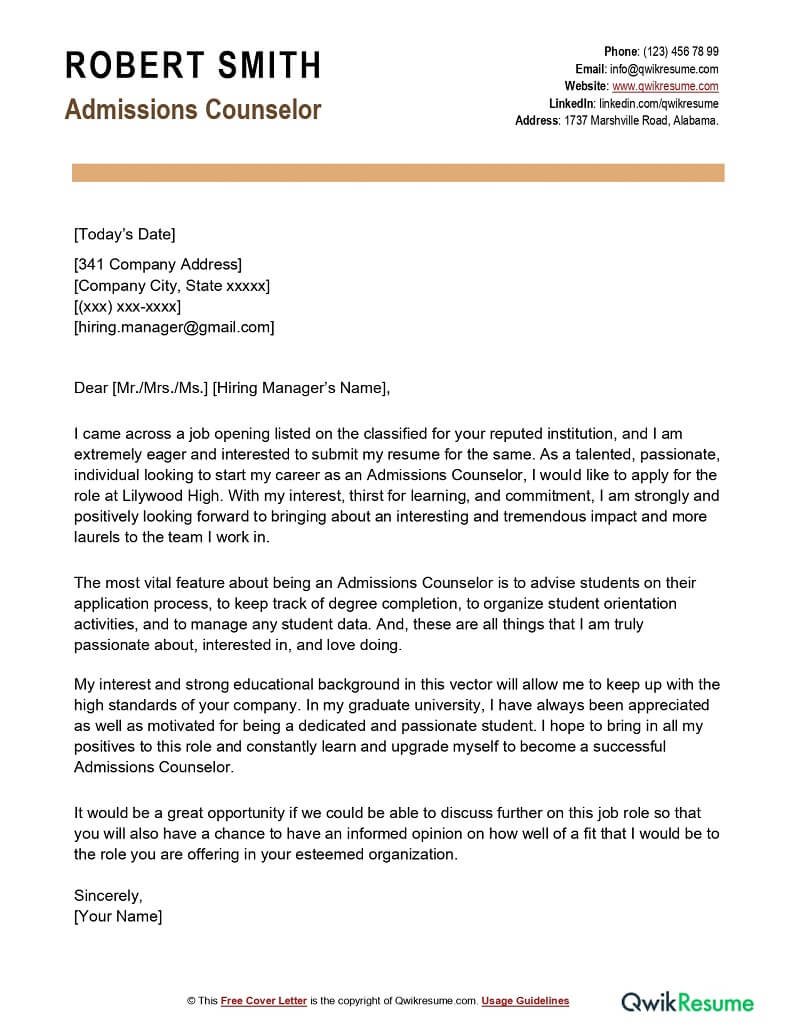
Conclusion
Emailing your college admissions counselor can feel like a big step, but it often helps you stay informed & show genuine interest. Wait until you have a clear question or update, & give them enough time to reply before any deadlines. Keep your message short, polite, & focused on one topic. Use a friendly greeting & say thank you at the end. Check for spelling or grammar mistakes. Remember that counselors are busy, so avoid following up too soon. A well-timed email can clarify steps in your application & build a positive connection. Be clear about your next application steps.
