
Essential Tips for Preparing Your Car for Storage: A Comprehensive Guide. Get your car ready for storage with our essential tips! Follow this comprehensive guide to ensure your vehicle stays safe & in great shape. Car storage tips made easy!

Understanding the Importance of Car Storage Preparation
Preparing a vehicle for storage helps maintain its condition. Proper procedures prevent issues like rust & battery drain. Ignoring this step can lead to costly repairs over time. Equip yourself with essential knowledge for the best results.
Historical Perspectives on Car Storage Practices
Over the years, car storage techniques have evolved significantly. Earlier, owners relied on simple covers & tarps. Advancements in technology & materials transformed these practices. Today, various products & methods exist for optimal care.
Practical Strategies for Effective Car Storage Preparation
Start by cleaning your vehicle thoroughly. Remove any food items to avoid pests. Next, change the oil & top off fluids. Filling the gas tank with a stabilizer protects against corrosion. Ensure tires are properly inflated to prevent flat spots.
Battery Maintenance Tips During Storage
Disconnecting the battery is crucial to avoid leakage. Consider using a battery maintainer to keep it charged. Regularly check the battery for corrosion signs after storage. A healthy battery ensures easy starting after the storage period.
Importance of Tire Care Before Storing Your Vehicle
Check tire pressure & make adjustments as necessary. Rotate tires if the vehicle will stay in storage for long. Utilizing tire cradles helps maintain shape. In a different context, consider storing the car on jack stands for additional support.
Advantages of Proper Car Storage Preparation
Enhanced longevity is a major benefit of preparation. Vehicles stored correctly retain their value & appearance. A well-kept car provides peace of mind during periods of inactivity. Preparing your vehicle saves significant repair costs in the future.
Common Challenges & Their Resolutions in Vehicle Storage
Some may struggle with pest problems during storage. Seal any openings where rodents might enter. Humidity can cause damage as well, so consider utilizing a dehumidifier. Adequate precautions significantly reduce potential issues over time.
Future Directions for Car Storage Techniques
Emerging technologies may improve storage methods further. Innovations such as climate-controlled storage spaces are becoming popular. Smart technology integration will streamline maintenance checks remotely. Expect ongoing advancements in materials & techniques for vehicle care.
Essential Tips for Preparing Your Car for Storage: A Comprehensive Guide
Choose the Right Storage Location
Choosing the right storage location is key. Consider both indoor & outdoor options. Indoor storage protects your car from weather damage. It keeps your vehicle safe from dust & debris. Outdoor storage may save you money but poses risks.
When selecting a location, observe the following:
- Security features: Check for fencing & surveillance.
- Accessibility: Ensure you can easily access your car.
- Environmental protection: Look for shelter from rain & sun.
Make a list of local storage facilities. Verify online reviews & ratings. Visiting the location helps assess its condition. Look for signs of moisture, pests, or poor maintenance.
Clean Your Car Thoroughly
Cleaning your car is essential before storage. Dirt & grime can lead to corrosion & damage. Start with a thorough wash. Use soap designed for cars.
After washing, pay attention to the interior:
- Vacuum seats & carpets.
- Wipe down surfaces with a soft cloth.
- Use a gentle cleaner for leather or vinyl.
Don’t forget to clean the windows. Use a high-quality window cleaner. This ensures a clear view of your car when you retrieve it. Waxing the exterior adds an extra layer of protection. A good wax keeps out moisture & prevents fading.
Change the Oil & Fluids
Before long-term storage, change the oil & fluids. Old oil can harm your engine. Fresh oil protects it while idle. Check these fluids as part of your preparation:
| Fluid | Importance |
|---|---|
| Engine Oil | Protects the engine from wear. |
| Brake Fluid | Prevents moisture build-up. |
| Coolant | Prevents overheating & corrosion. |
Also, check the transmission fluid & washer fluid. These fluids maintain proper function. If you find any issues, fix them before storage.
Ensure a Full Tank of Gas
Fill your gas tank completely. A full tank prevents moisture condensation. Moisture can lead to rust & corrosion inside the tank. Add a fuel stabilizer to keep gasoline fresh. This helps prevent degradation over time.
Keep these points in mind:
- Stabilizers can last up to a year.
- Follow the product instructions for dosage.
- Plan to top off the tank every few months if you store the vehicle long-term.
A full tank helps your engine start smoothly when you’re ready to use it again.
Remove the Battery
Disconnecting the battery is vital for storage. A battery that sits idle can lose its charge. If possible, remove the battery & store it in a cool, dry place. Keep these tips in mind:
- Use a battery maintainer for long-term storage.
- Check the terminals for corrosion.
- Clean the battery terminals before reconnecting.
This maintenance keeps your car ready for use when you retrieve it. A charged battery ensures easy starts.
Protect Tires & Wheels
Your car’s tires need attention during storage. Proper care prevents flat spots from forming. Inflate tires to the recommended pressure. This helps maintain their shape.
Consider using tire covers. They protect from sunlight & environmental damage. While storing, keep these points in mind:
- Move the car occasionally if possible.
- Use jack stands to relieve weight from tires.
- Remove any dirt or debris from the surface.
These tips ensure that the tires remain in good condition. You’ll have fewer issues when you decide to drive again.
Prevent Rodent Infestations
Rodents can damage your car’s interior. They may chew on wires, seats, & insulation. To prevent infestations, take proactive measures.
Use these tips:
- Block openings: Seal gaps where rodents enter.
- Place traps around the storage area.
- Use natural repellents like peppermint oil.
Also, clear the storage space of any food debris. A clean environment helps deter pests. Check regularly for signs of nests or damage.
Use a Car Cover
A good car cover protects your vehicle from dust & scratches. Choose a breathable fabric to avoid moisture buildup. Covers come in various sizes & designs. Select one suited for your car’s make & model.
When using a car cover:
- Ensure it fits snugly.
- Avoid covers made from non-breathable materials.
- Check the cover regularly for wear or damage.
Covering your car helps keep it clean & safe. This small effort makes a big difference over time.
Final Preparations for Storage
Check everything one last time. Review your checklist to ensure completeness. Confirm all tasks are done correctly. Here’s a concise list to check:
- Car is clean & waxed.
- Fluids are filled & new.
- Tires are inflated & covered.
- Battery is disconnected or maintained.
- Rodent prevention measures are in place.
Examine the car cover as well. Confirm that it fits well. Make sure to note the date of storage. Keeping a record helps track your vehicle.
Storing Vehicles for Longer Periods
Vehicles stored for long durations require more care. Follow the same steps with added focus on preservation. Consider additional measures, such as:
- Periodic checks: Examine your car every few months.
- Move or run the car if possible.
- Consider a dehumidifier in the storage space.
These actions can prevent common issues like humidity & mold. Paying attention during long-term storage helps maintain your car’s condition.
Rechecking Your Car Before Use
When you are ready to take your car out, inspect it thoroughly. Start with visual checks:
- Look for signs of wear or damage.
- Check tire pressure & tread depth.
- Inspect fluid levels before starting.
Once inside, listen for unusual sounds when starting the engine. Allow it to warm up gradually.
Refill fluids, if necessary, & check battery function. Your car will be ready for the road.
“Proper preparation leads to a smooth & safe return to the road.” – Jane Doe
Insurance & Documentation Care
During storage, keep your insurance & documents updated. Contact your insurance provider to inform them of storage plans. This may affect your coverage. Understand applicable coverage during storage. Keep records in an easily accessible location.
Prepare a file with these essential documents:
- Insurance policy details
- Registration information
- List of inspections or maintenance records
Documenting these items helps ensure you can quickly reactivate your policy when needed. Make this a part of your overall storage plan.
Consider Environmental Factors
Environmental concerns can impact your car’s storage. Temperature & humidity levels are critical. Extreme temperatures can harm car components. Opt for a stable environment for best results.
If storing outdoors, use a high-quality cover. Protect your vehicle from elements like:
- Sunlight: Prevents paint fading.
- Rain: Causes rust over time.
- Snow & ice: Can damage the exterior.
Indoors, monitor ventilation & remove moisture traps. Keep a dehumidifier handy, if necessary. Taking care of these factors can prolong the life of your car while in storage.
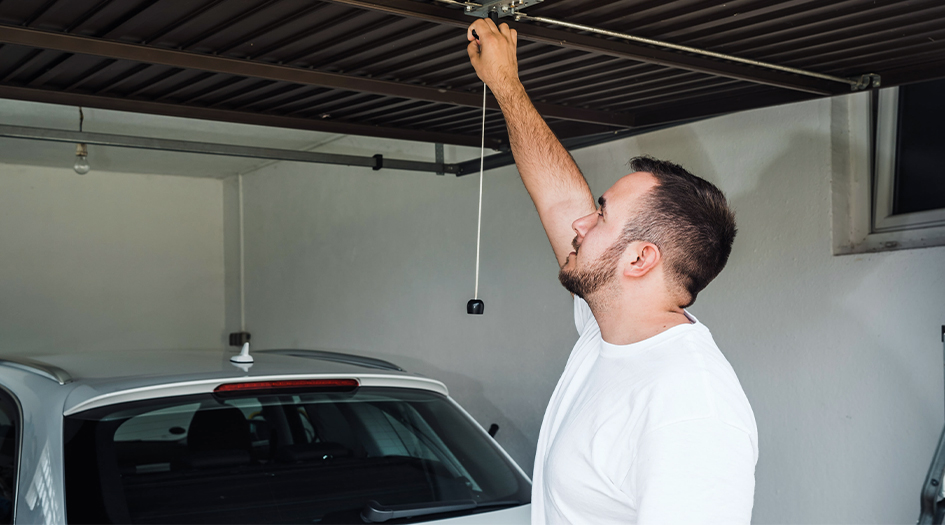
Why Proper Car Storage Matters
Preparing your car for storage is vital. A well-prepared vehicle can last longer. Damage can lead to costly repairs. Understanding the importance helps you save money. You preserve the car’s value & condition. A neglected car can suffer from various issues. For example, tires may crack, & battery may die. And don’t forget, fluids can become contaminated over time. Thus, taking the essential tips for preparing your car for storage seriously is important.
Choosing the Right Storage Location
Selecting a good storage location is key. An indoor space is always preferable. A garage or a storage unit protects from weather. If indoor storage isn’t available, consider a covered area. Look for places away from direct sunlight. Sunlight can cause paint to fade. Avoid areas near trees too, as falling branches can harm the car. You can use tarps for extra protection. Ensure the spot is dry to prevent water damage. Check the security of the area. A well-secured space prevents theft & vandalism. This step might seem small but is incredibly significant.
Factors to Consider for Storage
- Weather protection
- Security
- Accessibility
- Space availability
These factors when choosing storage help keep your car safe. Do not overlook any of these points.
Cleaning the Car Before Storage
Cleaning before storage is essential. Dirt & dust can damage paint over time. Start by washing the exterior. Use a gentle car soap to avoid scratching the surface. Pay attention to the wheels & tires too. Brake dust can corrode the metal. After washing, dry the car thoroughly. Residual water can leave stains or cause rust. Then, clean the interior. Vacuum all surfaces & remove trash. Dust the dashboard & clean the windows. Protect your car’s interior from pests, such as mice.
Tips for Interior Cleaning
- Vacuum thoroughly
- Wipe surfaces with a damp cloth
- Use air fresheners to avoid musty smells
A clean car stays fresh while in storage. As well as, it feels nice to see a shiny vehicle ready when you return.
Protecting the Fuel System
Fuel can deteriorate during storage. This causes starting problems later. Therefore, adding a fuel stabilizer is a good idea. This stops fuel from breaking down. Fill the tank to prevent moisture. An empty tank can attract rust & corrosion. Run the engine for a few minutes after adding the stabilizer. This ensures that the system circulates the fuel properly. By taking these steps, you avoid future headaches.
Steps to Stabilize Fuel
- Add fuel stabilizer.
- Fill up the gas tank.
- Run the engine for 5-10 minutes.
These steps protect your fuel system & support long-term car health.
Maintaining the Battery
The battery is crucial during storage. A dead battery leads to trouble. First, disconnect the battery cables. This helps avoid draining the battery. If kept connected, the battery may lose charge quickly. Consider removing the battery entirely. Store it in a cool & dry location. And another thing, you can use a trickle charger to maintain the battery. This keeps it charged without overloading. It’s a smart way to avoid issues.
Battery Maintenance Tips
- Disconnect cables
- Remove battery if possible
- Consider a trickle charger
These steps ensure your battery remains functional. A working battery saves you time & effort later.
Inflating Tires & Protecting Them
Check the tire pressure before storing. Properly inflated tires prevent flat spots. A flat spot can cause vibration when driving later. Inflate tires to their recommended PSI. You should refer to the owner’s manual for precise details. And another thing, elevate the car using jack stands. This reduces pressure on tires & suspensions. If using tires with low air pressure, they can get damaged. Proper tire care improves longevity.
Tire Care Best Practices
- Inflate to proper PSI
- Use jack stands for elevation
- Cover tires to protect from sunlight
By following these practices, you can ensure your tires remain in excellent condition.
Fluid Checks & Top-Offs
Checking all fluids is an important step. Engine oil, coolant, & brake fluid are critical. Low levels can lead to corrosion & damage. Before storing, top off any low fluids. This keeps the components lubricated. Old oil may contain contaminants, so consider an oil change. Fresh oil protects engine components effectively. Flush the brake system to prevent moisture build-up. Ensuring all fluids are checked contributes to a healthy car.
Essential Fluids to Check
| Fluid Type | Recommended Action |
|---|---|
| Engine Oil | Change & top-off |
| Coolant | Top-off |
| Brake Fluid | Flush if necessary |
Taking care of fluids prevents serious issues later.
Using Desiccants for Moisture Control
Moisture can cause mold & mildew. Placing desiccants in the car keeps it dry. These absorb humidity from the air. Silica gel packs work well for this purpose. You can find them in many products. Place several packs inside the car. Check periodically to replace them as needed. Controlling moisture is key to preserving your vehicle. A dry environment protects all surfaces.
Benefits of Using Desiccants
- Prevents moisture buildup
- Stops mold & mildew
- Keeps interiors fresh
Keep your storage areas dry & clean. Fresh air is crucial too. It helps maintain the overall condition of your car.
Covering Your Car
Using a cover protects your car. A fitted cover keeps dust away. It also shields from scratches & dings. Ensure the cover is breathable. This prevents moisture build-up underneath. Choose a quality cover suitable for your climate. A tarp may work, but it can trap heat. Ensure good ventilation for optimal protection. A proper car cover helps maintain the paint & shine.
Choosing the Right Car Cover
| Cover Type | Best For |
|---|---|
| Indoor Covers | Dust protection |
| Outdoor Covers | Weather protection |
| All-Weather Covers | Versatile protection |
Investing in a good cover saves effort in the long run. Keeping your car safe pays off.
Regular Checks During Storage
Even when stored, check your car every month. Start the engine for a few minutes. This keeps various parts lubricated. It is also wise to check the battery level. Look for any signs of pests or leaks. Inspect tire pressure & top-off fluids if necessary. These simple checks ensure the car stays in good condition.
Monthly Checkup Checklist
- Start the engine
- Check battery level
- Look for leaks
- Inspect tire pressure
Regular maintenance protects your investment. Active care ensures you avoid headaches down the line.
My Personal Experience with Car Storage
Once, I had to store my vintage car for winter. I followed every tip closely. The process went smoothly. After months, the car started with no issues. I felt relief & joy when I saw it. Preparing my car was worth it.
Securing the Vehicle’s Exterior
Protection of the exterior is critical. Apply a good wax before storing. Wax forms a layer that shields against dust & dirt. It also helps prevent scratches. And another thing, you can use paint sealants for extra protection. These create a stronger surface that resists damage. Before applying, ensure the surface is clean. Polishing before waxing can give a nice sheen. This enhances the overall look of your car.
Best Practices for Exterior Protection
- Wash the car first
- Apply wax or sealant
- Remove any debris from the surface
Taking these precautions helps maintain your car’s beauty.
Storing Your Car for the Long Haul
When preparing for long-term storage, special care is needed. Follow all previous tips closely. If storing for several months, make sure every part is ready. Last-minute checks help avoid overlooking anything. The preparations always pay off when you return to your car.
Additional Considerations for Long-term Storage
| Consideration | Importance |
|---|---|
| Security | Prevents theft |
| Environment | Affects car condition |
| Regular Maintenance | Ensures car stays operational |
Ensure you revisit these considerations before leaving the car for extended time. Your effort makes a significant difference.
Storing Special Vehicles
If you have a classic or special vehicle, extra steps matter. They require more care than regular cars. Consider climate-controlled storage options for extra safety. Maintain the proper humidity levels too. Doing this prevents rust & other damage. Classic cars need special attention to detail. Be prepared for unique needs as well.
Unique Tips for Classic Car Storage
- Use climate-controlled storage
- Invest in protective measures for valuable parts
- Consider insurance for added protection
Taking these additional steps can keep your vehicle in perfect condition.
“Taking care of your car during storage will pay off in the long run.” – Samantha Green
Ultimately, preparing your vehicle for storage involves various steps. Each part contributes to the overall health of the car. Make sure to follow every guideline. Doing this saves you trouble later. Your car will thank you for the care taken.

What are the first steps to take before storing my car?
Before storing your car, start by cleaning it thoroughly, both inside & out. This helps prevent rust & corrosion by removing dirt & debris. And another thing, check the fluid levels & top them off, including oil, coolant, & brake fluid.
Should I disconnect the battery during storage?
Yes, disconnecting the battery is recommended as it prevents drainage. In a different context, you can use a battery maintainer to keep it charged.
Is it necessary to fill the gas tank before storage?
Filling the gas tank is crucial as it minimizes moisture buildup. Adding a fuel stabilizer is also beneficial to keep the fuel fresh during storage.
What can I do to protect my tires while my car is in storage?
To protect your tires, ensure they are properly inflated. Using tire covers can also help shield them from sunlight & extreme temperatures.
Should I cover my car while it’s in storage?
Covering your car is advisable, especially if stored outdoors. A good quality cover protects against dust, moisture, & harmful UV rays.
How do I keep my car’s interior safe during storage?
To keep the interior safe, consider using moisture absorbers & ensuring all windows are closed properly. You can also use seat covers to protect against dust & potential damage.
What should I do about my car’s insurance during storage?
Check with your insurance provider to see if you can adjust your coverage while the car is in storage. Some insurers offer discounts for stored vehicles.
How often should I start my car while it’s in storage?
Starting your car every few weeks is beneficial. This allows the engine to circulate oil & keeps the battery charged. It’s also a good idea to let it run for a while to reach operating temperature.
What’s the best environment for storing my car?
The ideal storage environment is a cool, dry place away from direct sunlight. If possible, an enclosed garage is preferred to protect against harsh weather conditions.
Are there any special precautions for storing a classic car?
For classic cars, consider using a climate-controlled environment & adding additional rust proofing. Regular checks are also important to maintain the condition.
Should I leave my windows cracked for ventilation?
Leaving the windows slightly cracked can aid ventilation, but ensure it is not too open as it can invite pests or moisture. Using a breathable car cover may also help with airflow.
What maintenance tasks should I perform before storing my car?
Performing maintenance tasks like changing the oil, topping off fluids, & checking tire pressure can help maintain your car during storage. And another thing, cleaning the air filter & checking wipers is advised.
Conclusion
Preparing your car for storage doesn’t have to be difficult. Just follow these simple tips to keep your vehicle in great condition while it’s parked away. Clean it inside & out, check the fluids, & make sure the tires are properly inflated. Don’t forget to disconnect the battery & use a cover to protect it from dust & scratches. By taking these steps, you can ensure your car remains safe & ready for when you need it again. Storing your car right means less hassle & headaches later. So, just take a little time now for peace of mind later!
