

Essential Prepare to Care Training: Enhance Your Skills for Effective Caregiving. Boost your caregiving skills withEssential Prepare to Care Training. Enhance your confidence & effectiveness in providing effective caregiving.
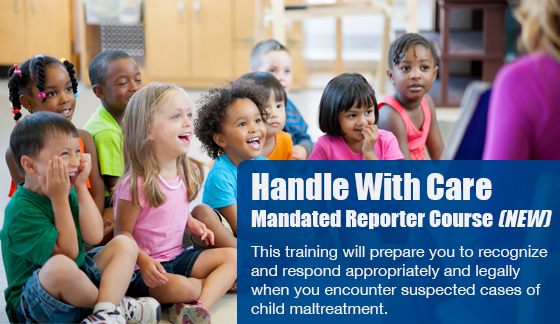
Understanding Essential Prepare to Care Training for Caregivers
Essential Prepare to Care Training equips caregivers with vital skills. This training enhances knowledge, confidence, & effectiveness in providing care. It focuses on practical techniques applicable in various caregiving scenarios. Participants learn communication, empathy, & problem-solving strategies necessary for caregiving success.
Historical Development of Caregiving Training
The evolution of caregiving training reflects changing healthcare needs. Initially, training programs offered limited information. Over time, these programs became comprehensive. Today’s focus includes mental health, nutrition, & patient rights. Modern training sees continuous updates, addressing emerging trends & challenges.
Implementing Prepare to Care Training Effectively
Successful adoption of this training requires strategic planning. Begin by assessing training needs within caregiving environments. Incorporate interactive modules to engage learners. Real-life scenarios create relatable learning experiences. Scheduling regular refresher courses keeps skills sharp over time.
Advantages of Essential Prepare to Care Training
Participating in this training offers multiple benefits for caregivers. Enhanced skills lead to improved patient satisfaction. Caregivers develop stronger relationships with patients, fostering trust. This training also promotes teamwork among caregivers, leading to better care coordination.
Addressing Challenges in Caregiving Training
Implementing this training can present various obstacles. Resistance to change often surfaces among staff. Solutions include addressing concerns through open communication. Providing incentives for participation can encourage enthusiasm & commitment. And another thing, flexible training schedules help accommodate busy caregivers.
Future Directions for Caregiver Training Programs
Future developments in caregiver training promise innovation. Technology integration, such as online platforms, enhances accessibility. Virtual reality may simulate real-life caregiving scenarios for immersive learning. Continuous feedback loops will shape training content, ensuring relevance for future caregivers.
Importance of Prepare to Care Training
Prepare to Care Training plays a central role in caregiving. It ensures caregivers gain essential skills. These skills lead to better care delivery. This training covers various topics. It includes communication, safety, & health awareness. Caregivers learn how to handle emergencies. They develop strategies for daily challenges. Enhanced skills improve the quality of care. This training is vital in healthcare settings. Caregivers need to be well-prepared for any situation.
Skills Acquired in Prepare to Care Training
Through this training, caregivers acquire many skills. These skills are crucial for effective caregiving. Some key areas include:
- Effective communication with patients & families
- Recognizing & responding to health issues
- Providing emotional support & comfort
- Basic first aid & emergency response
- Understanding patient rights & safety
The training focuses on real-life scenarios. Caregivers engage in role play. This helps in gaining confidence. They learn to communicate better. Strong communication improves patient relationships. When caregivers feel equipped, they provide superior care.
Elements of Effective Caregiving
Effective caregiving requires various elements. It goes beyond physical assistance. Caregivers must be observant, patient, & compassionate. They need to ensure comfort & dignity. Each patient has unique needs. Learning to identify these needs is essential. This is where prepare to care training proves its value. It emphasizes person-centered care. This care respects patient preferences & choices.
Person-Centered Care Approach
Person-centered care is at the training’s core. It encourages caregivers to see the whole person. This means understanding their backgrounds & preferences. Caregivers learn to ask questions that matter. They discover individual patient stories. Knowing these stories leads to better care. Patients feel valued & understood. They respond positively to caregivers’ efforts. This strength builds trust & enhances the caregiving experience.
Communication Strategies in Caregiving
Effective communication is critical in caregiving. Caregivers often face challenges. Language barriers may exist. Patients may struggle to express needs. Prepare to Care Training addresses these issues. It teaches clarity & empathy. Caregivers learn to use simple language. Tonality matters too. A calm voice reassures patients. Listening actively is another key point. Caregivers must listen more than they speak.
Building Rapport with Patients
Building rapport enhances the caregiving experience. Caregivers can establish a trusting connection. This bond improves cooperation during care. Activities that help build rapport include:
- Sharing personal stories or interests
- Maintaining eye contact during conversations
- Using the patient’s name regularly
- Asking open-ended questions to encourage conversation
Selecting the right moments for personal interactions is crucial. These moments foster deeper connections. The trained caregiver will feel more confident. This helps create a supportive environment for patients.
Safety Protocols for Caregivers
Safety is paramount in caregiving. Prepare to Care Training emphasizes this critical aspect. Caregivers learn about safety protocols. They are vital in preventing accidents. Caregivers must know how to handle hazardous situations. Training covers the proper use of equipment. It also includes safety measures for both patients & caregivers.
Emergency Preparedness in Caregiving
Emergency preparedness ensures the safety of everyone involved. It involves practical skills that caregivers need to master. Key training components include:
- Recognizing signs of medical emergencies
- Understanding when to call for help
- Basic CPR techniques
- How to use an Automated External Defibrillator (AED)
Caregivers must remain calm in emergencies. Training builds confidence in crisis response. Proper preparedness can save lives & reduce stress.
Integrating Technology in Caregiving
Modern caregiving increasingly involves technology. Tools & devices can improve care efficiency. Prepare to Care Training highlights these advances. Caregivers learn to use various technologies. Examples include medical alert systems & care management software. These tools facilitate better patient monitoring.
Benefits of Technology in Caregiving
Technology brings numerous benefits to caregiving. Some of these advantages are:
- Accurate health tracking for patients
- Efficient communication between caregivers & families
- Access to important health information
- Timely alerts for medication reminders
Utilizing technology simplifies routine tasks. It allows caregivers to focus on personal interactions. This leads to higher quality care outcomes.
Healthcare Regulations & Ethics
Healthcare regulations & ethics are crucial in caregiving. Prepare to Care Training covers these themes thoroughly. Caregivers must be aware of relevant laws. This includes patient privacy & consent. Ethical decision-making is another essential skill. Caregivers often face moral dilemmas.
Patient Rights Awareness
Understanding patient rights is fundamental. All patients have rights regardless of their condition. Caregivers should know these rights. Key rights include:
- The right to confidentiality
- The right to make informed decisions
- The right to receive quality care
- The right to refuse treatment
Knowledge of these rights empowers caregivers. It helps them advocate effectively for patients. The relationship between caregiver & patient becomes stronger when rights are respected.
Emotional Support Techniques for Patients
Caregiving involves emotional labor. Patients often seek emotional support. Prepare to Care Training prepares caregivers for this role. It teaches effective emotional support techniques. Caregivers learn to recognize emotional distress. They also learn how to provide comfort.
Support Strategies for Emotional Well-Being
Several strategies can enhance emotional support in caregiving. These include:
- Validating feelings & emotions
- Offering a sympathetic listening ear
- Encouraging participation in social activities
- Providing reassurance & affirmations
“Emotional support is as critical as medical assistance in caregiving.” – Sarah Johnson
Implementing these strategies can greatly improve patient well-being. An emotionally supported patient feels more secure.
Workplace Dynamics in Caregiving
Caregiving often takes place in team settings. Effective teamwork is key to quality care. Prepare to Care Training addresses workplace dynamics. Caregivers learn how to collaborate with other professionals. They gain insights into team communication. Understanding roles & responsibilities is essential.
Improving Team Collaboration
Collaborative care enhances patient outcomes. Caregivers can share insights & strategies. Some key ways to promote teamwork include:
- Regular team meetings for progress updates
- Open communication channels between team members
- Respect for each role’s contributions
- Soliciting feedback from colleagues
A cohesive team enhances the caregiving experience. Caregivers feel more supported in their roles. This translates to better care for patients.
Ways to Continue Learning in Caregiving
Caregiving is a profession of life-long learning. Prepare to Care Training is a great start. Caregivers should seek additional learning opportunities. This helps them stay current with best practices. Various resources are available to support continuous learning.
Professional Development Resources
Here are some resources for ongoing caregiver education:
- Workshops & seminars on specialized topics
- Online courses & certifications
- Mentorship programs with experienced caregivers
- Health & caregiving-related webinars
Connecting with professional networks can enhance skills. Continuous learning ensures caregivers adapt to changing needs. It also improves job satisfaction & retention.

What is Essential Prepare to Care Training?
Essential Prepare to Care Training focuses on vital skills for caregivers. This training helps caregivers provide better support. It gives them knowledge about personal care needs. This training is helpful for those caring for the elderly, sick, or disabled. Proper training improves the quality of life for both caregivers & those they support.
Caregiving can be complex. Many factors contribute to effective care. These include communication, empathy, & technical skills. Prepare to Care Training covers all these areas. Participants learn how to connect with those they care for. This connection is vital for emotional & physical well-being. Understanding different needs of individuals is also critical.
Importance of Skills in Caregiving
Skills in caregiving matter a lot. They make a significant difference in providing care. Good skills improve the experience for everyone involved. Training builds confidence. Caregivers feel more prepared for challenges. They can handle various situations better.
Common skills include:
- Effective communication
- Empathy & compassion
- Basic medical knowledge
- Problem-solving
- Crisis management
These skills make a caregiver more effective. They lead to a better environment for care. When caregivers feel skilled, they provide better support. Families also feel assured knowing their loved ones are cared for well.
“Training enhances the caregiver’s ability to connect with others.” – Sarah Johnson
Key Topics Covered in Essential Prepare to Care Training
This training covers many key topics. Each topic is crucial for effective caregiving. Here are some of the main areas:
| Topic | Description |
|---|---|
| Communication Skills | How to talk & listen to people in care. |
| Personal Care Basics | Understanding daily needs such as grooming & hygiene. |
| Emotional Support | Providing comfort & understanding to those you care for. |
| Health & Safety | Basic knowledge of medical needs & safety protocols. |
| Behavior Management | Dealing with challenging behaviors effectively. |
Every topic adds value. They prepare caregivers for real-life situations. Caregivers who cover these topics feel ready to support others. They become skilled in their roles. The training creates a strong foundation for caregiving.
Who Can Benefit from This Training?
Many people can benefit from Essential Prepare to Care Training. This includes family members & professionals. Anyone involved in caregiving can gain valuable knowledge. Family caregivers often find this training helpful. They learn how to support loved ones better.
Healthcare professionals also benefit. They can enhance their skills & improve care quality. Understanding family dynamics plays a key role in professional care. Palliative care providers & social workers can also take this training. It helps them understand both medical & emotional needs.
This training is not just for formal caregivers. Friends & community members can attend. Everyone who cares for others can use these skills. No one should overlook the importance of care.
Real-Life Applications of Caregiving Skills
Caregivers use their training in many situations. Effective communication matters most in caregiving. It helps caregivers understand needs. They can ask questions & listen. Caregivers often face stressful moments. Strong crisis management skills help them remain calm. These skills ensure safety & comfort.
One time, I faced a tough situation while caregiving. I noticed a sudden change in a client’s mood. I used my training to talk to them. I asked about their feelings & listened. This experience helped me use my skills effectively. It taught me the value of communication.
Personal care also requires special skills. Daily routines can be challenging for those they care for. Caregivers help with hygiene & grooming. They show respect during these tasks. Being sensitive to personal boundaries is essential. This fosters trust & comfort.
Effective Communication Techniques
Good communication builds strong relationships. Effective techniques help caregivers connect. First, always maintain eye contact. This shows respect & attentiveness. Use simple words & short sentences. This makes conversations clear & easy.
Active listening is vital. Caregivers should focus on what the care recipient says. Confirm understanding with phrases like, “I understand.” This encourages open communication. Non-verbal cues are also important. Body language can show support & understanding.
- Ask open-ended questions.
- Be patient & give time for responses.
- Use affirming gestures, like nodding.
- Repeat important points for clarity.
These techniques enhance trust. They foster a safe environment for sharing. Effective communication leads to better outcomes. Caregivers feel more connected to those they support.
Importance of Emotional Support in Caregiving
Emotional support is a core part of caregiving. Many people struggle with feelings of loneliness or sadness. Caregivers need to provide comfort. A listening ear can make a big difference. Understanding emotions helps caregivers connect empathetically.
Many techniques improve emotional support. Validating feelings is essential. It shows care & understanding. For example, if someone expresses sadness, you can respond with, “It’s okay to feel this way.” This reassures them they are not alone.
Caregivers also play a role in encouraging coping strategies. Discussing positive activities helps. Activities might include reading or listening to music. Encouragement can improve mental health.
- Offer a shoulder to lean on.
- Encourage sharing of feelings.
- Engage in uplifting conversations.
- Plan enjoyable activities together.
Providing emotional support enhances well-being. Care recipients often report feeling more secure. They know someone cares for them deeply.
Basic Medical Knowledge for Caregivers
Basic medical knowledge is important for caregivers. They help manage health needs. Understanding medications & their side effects is crucial. Caregivers may also monitor health changes.
Caregivers should know how to take vital signs. This includes checking pulse, blood pressure, & temperature. Knowing these helps track changes. Caregivers can report any concerns to medical professionals.
Learn about common conditions. Understand signs & symptoms. Recognizing these is vital for timely action. For instance, understanding diabetes helps in daily care. Caregivers must know about medication schedules & dietary needs.
| Medical Topic | Key Points |
|---|---|
| Diabetes | Monitor blood sugar levels & diet. |
| Heart Disease | Watch for chest pain or breathlessness. |
| Alzheimer’s | Understand memory loss & behavioral changes. |
| Stroke | Recognize sudden weakness or confusion. |
Having this knowledge fosters confidence. It helps caregivers provide better support. When caregivers are knowledgeable, they can respond effectively to health problems.
Building a Support Network for Caregivers
A support network is vital for caregivers. They often feel overwhelmed. Having others to talk to provides relief. Support groups share experiences & tips. They create a sense of community.
Family members can also be part of this network. Regular discussions help share responsibilities. Family meetings can address concerns & needs. Everyone needs to be on the same page. Feeling supported improves caregiver well-being.
- Join local caregiver support groups.
- Connect with online communities.
- Participate in workshops & seminars.
Support systems offer emotional & practical help. They share knowledge & resources. Building a network enhances caregiving skills. Caregivers who feel supported can provide better care.
Resources for Ongoing Learning in Caregiving
Continuous learning is crucial for caregivers. Several resources are available to enhance their skills. Books, online courses, & workshops are some options. These resources keep caregivers informed about best practices.
Online platforms offer many courses. These courses cover various topics related to caregiving. They teach new skills & techniques. Some popular platforms include:
- Coursera
- Udemy
- Alison
And another thing, local libraries have helpful books. They offer information on a variety of caregiving topics. Reading regularly keeps caregivers updated. They learn about medical advancements & care strategies.
| Resource Type | Description |
|---|---|
| Books | In-depth knowledge on caregiving topics. |
| Online Courses | Flexible learning for skill enhancement. |
| Workshops | Interactive sessions with experts. |
| Support Groups | Community to share experiences. |
Engaging with these resources promotes personal & professional growth. Caregivers improve their abilities. They feel more prepared for caregiving roles.
Impact of Caregiving on Personal Life
Caregiving can affect personal life significantly. Balancing care & personal needs is challenging. Caregivers may feel stress or burnout. Finding a good balance is essential. Caregivers should care for themselves, too.
Self-care practices are important. Simple activities, like exercise or hobbies, help. Taking small breaks can recharge energy. Caregivers should not feel guilty about taking time for themselves.
- Engage in physical activities.
- Join local classes or clubs.
- Practice mindfulness or meditation.
Sharing experiences with friends aids emotional health. Talking about feelings is helpful. Finding joy beyond caregiving creates a better balance.
Conclusion in Caregiving Skills Development
Developing caregiving skills is vital. Essential Prepare to Care Training offers the foundation. Caregivers learn crucial skills & techniques. These skills enhance their effectiveness. They positively impact the lives of those they care for. Continuous learning fuels improvement. Everyone involved benefits from this growth.
What is Essential Prepare to Care Training?
Essential Prepare to Care Training is a program focused on enhancing the skills of caregivers to provide effective & compassionate care. It offers knowledge & techniques that are vital for quality caregiving.
Who should attend this training?
This training is beneficial for anyone involved in caregiving, including family caregivers, professional caregivers, & individuals seeking to improve their caregiving skills.
What topics are covered in the training?
The training covers various topics such as communication skills, understanding patient needs, emotional support, & practical caregiving techniques to ensure quality care.
How long does the training last?
Typically, the training lasts a few sessions spread over several days or can be completed in a single intensive session, depending on the program’s format.
Is there a certification upon completion?
Yes, participants usually receive a certificate upon successfully completing the Essential Prepare to Care Training, acknowledging their skills & knowledge in effective caregiving.
Are there any prerequisites for attending?
Generally, there are no strict prerequisites for attending. Be that as it may, a basic understanding of caregiving or related experience can be helpful.
What is the benefit of this training for caregivers?
This training equips caregivers with essential skills & confidence, enhancing their ability to provide high-quality care & ensure the well-being of those they care for.
Can this training be taken online?
Yes, many programs offer online versions of the Essential Prepare to Care Training, allowing participants to learn at their own pace from the comfort of their homes.
How can I register for the training?
You can register for the training through various caregiving organizations or institutions that offer this program, either online or in person.
Is financial assistance available for this training?
Some organizations may provide financial assistance or scholarships for those in need, making the training more accessible to a wider audience.
Conclusion
Essential Prepare to Care Training is a great resource for anyone looking to improve their caregiving skills. By participating in this training, you learn valuable techniques that can make a real difference in the lives of those you care for. It’s all about building confidence, knowledge, & a supportive environment for both caregivers & their loved ones. With these skills, you can provide better care & ensure that your approach is both compassionate & effective. So, whether you’re a new caregiver or have been helping for years, this training is a fantastic step forward in improving your caregiving abilities.
