

Essential Guide to Prepare for Care: Tips & Strategies for Effective Caregiving. Discover the Essential Guide to Prepare for Care with easy tips & strategies for effective caregiving. Get ready to provide the best support!

Understanding the Core Concepts of Care Preparation
Care preparation involves planning & organizing for caregiving. This includes assessing needs, resources, & available support. Effective care requires thorough evaluation of the individual’s situation & preferences.
Tracing the Development of Care Preparation Practices
Historically, caregiving has shifted from familial models to professional settings. Ancient practices involved communal support, while modern approaches emphasize structured care systems. This evolution reflects changes in societal values & healthcare paradigms.
Practical Approaches for Effective Care Implementation
Start by assessing the individual’s specific needs. Establish clear communication channels between caregivers & recipients. Create a comprehensive care plan outlining daily routines & preferences. Regularly review & adjust plans based on feedback & changes.
Exploring the Advantages of Care Preparation Techniques
Organized caregiving enhances quality of life for both caregivers & recipients. Anticipatory planning reduces stress & fosters stronger relationships. Prepared caregivers feel more confident & empowered to manage various situations.
Identifying & Tackling Common Caregivers’ Challenges
Caregivers often face emotional, physical, & logistical hurdles. Burnout & lack of resources frequently occur. Finding community support groups or seeking respite care can alleviate some burdens. Open discussions about feelings also play a critical role.
Anticipating Future Directions in Care Strategies
Emerging technologies promise to streamline caregiving processes. Digital tools for scheduling & reminders enhance organization. Ongoing caregiver education will address evolving needs & encourage innovative solutions for future challenges.
Importance of Caregiving Preparation
Preparing for care is essential. Caregiving is a significant responsibility. It can be emotionally & physically challenging. Being ready helps ease stress. It also promotes better outcomes for both the caregiver & the care recipient.
Effective preparation can lead to improved health. It allows caregivers to manage their duties better. With the right tools & knowledge, caregivers can provide a higher quality of care. It is important to understand the needs of the care recipient.
Preparation can minimize confusion during emergencies. Knowing what to do ahead of time is key. It provides a framework to follow. Caregivers will feel more in control. This readiness can foster a better environment for everyone involved.
Assessing Needs of the Care Recipient
Determining the individual’s needs is vital. Start by evaluating their physical & emotional health. Consider their preferences & routines. This information helps create a caregiving plan.
Identify daily activities they might struggle with. Common tasks include:
- Bathing
- Eating
- Medication management
- Transportation
Gather information about their medical history. Consult with health professionals if needed. Collaborate with family members for further insights.
This evaluation determines what assistance is necessary. Document all findings clearly. This will guide the care plan. It also helps in communicating with health providers.
Creating a Caregiving Plan
A well-defined care plan is crucial. Outline what tasks need to be performed daily. Include specifics about medications & appointments. A structured approach makes care effective.
The plan should include:
- Daily routines
- Emergency contacts
- Health care providers’ information
- Important medications
Keep this plan easily accessible. Share copies with family members & caregivers. Regularly update the care plan. Changes in health or needs must reflect in the documentation.
Setting Realistic Expectations
Caregiving is a demanding role. Set realistic expectations for yourself & others. Understand the limits of what you can do. Avoid overcommitting, as this can lead to burnout.
Communicate openly with family & friends about your capacity. Discuss what they can do to help. Building a support system alleviates some pressure.
Recognize that some days will be more challenging than others. Accept that mistakes can happen. Flexibility is crucial in caregiving. Allow time for self-care. Caregivers must recharge to maintain their health.
Finding Resources & Support
Utilize available resources. Local communities often offer support groups. These can provide valuable connections. You can also find online communities to share experiences.
Look for local & national organizations. Many offer tips, tools, & support for caregivers. These resources can make caregiving more manageable. They also help foster connections with others in similar situations.
Consider looking into professional help. Hiring a healthcare professional can assist with medical tasks. This allows you more time to focus on emotional support.
Understanding Legal & Financial Aspects
Caregiving involves legal & financial matters. Be informed about health care proxies & power of attorney. These documents help in making medical decisions.
Explore financial support programs for caregivers. Check both state & federal assistance options. Some organizations provide funding for specific needs.
Understanding insurance coverage is also essential. Find out what services are covered. This knowledge helps in planning financial resources efficiently.
Effective Communication Strategies
Communication is key in caregiving. Foster an open dialogue with the care recipient. Understand their feelings & preferences. This will create a better connection.
Use simple language & clear instructions. Avoid jargon or technical terms. Speak slowly & patiently. Reassure them that their opinions matter.
Engage in regular check-ins. These can be brief but essential. Ask how they are feeling. Address any concerns they may have. Keeping communication open builds trust.
Managing Stress as a Caregiver
Caregiving can induce high levels of stress. Recognizing this is the first step. Implement techniques to manage stress effectively. This is essential for your well-being.
Practice self-care. Allocate time each day for personal activities. This could involve exercise, reading, or simply resting. It enriches your mental health.
Consider mindfulness techniques. Meditation & breathing exercises can reduce anxiety. Even a short break can rejuvenate you. Be sure to engage in activities that make you happy.
Seeking Professional Help
Sometimes, handling caregiving alone is too much. Don’t hesitate to seek professional help. This can include therapists, counselors, or social workers. Professional assistance provides emotional support.
They can offer insights into coping strategies. These strategies tailor to your situation. Understanding your feelings is vital for self-care.
Health professionals can also assist with care tasks. Trained aides can handle specific needs. This reduces your burden, making caregiving more manageable.
Adapting to Changing Needs
Care needs will evolve over time. Be ready to adjust your plans accordingly. Regularly assess the condition of the care recipient. This helps in identifying new needs early on.
Stay informed about their health status. Changes may require new strategies or resources. Flexibility in care is essential for their well-being.
Communicate with healthcare providers often. They can give insights into potential changes. Building a relationship with them is beneficial. This can enhance the care plan throughout the journey.
Utilizing Technology in Caregiving
Technology can ease caregiving tasks. Explore apps designed for health management. These tools help remind about medications & appointments.
Telehealth services provide medical consultations at home. This convenience can save time & reduce stress.
Consider safety devices such as medical alert systems. These devices provide peace of mind for both you & the care recipient. Familiarizing yourself with technology simplifies many tasks.
Building a Support Network
Creating a support network is essential. Share your experiences with friends & family. They can offer help & emotional support.
Participate in local caregiver groups. These offer a feeling of camaraderie. Connecting with others causes shared experiences. It can also provide valuable tips & services.
Social media platforms can serve as another outlet. Join online forums or groups focused on caregiving. These platforms foster connections with others facing similar challenges.
Balancing Personal & Caregiving Life
Caring for yourself is vital. Find ways to balance caregiving with personal life. Establish boundaries to maintain your health & well-being.
Schedule regular breaks. Time away from caregiving duties restores energy. Engage in hobbies or activities that interest you. This time is important for your mental health.
Consider sharing responsibilities with family members. A joint effort eases your burden. This collaboration maintains a healthy home environment for everyone.
Educating Yourself About Caregiving
Knowledge is a powerful tool in caregiving. Take the time to learn about available resources. Research caregiving strategies & best practices.
Enroll in workshops or classes. Many organizations offer training for caregivers. This education can provide helpful tips for daily tasks.
Read books or articles relevant to caregiving. Staying informed equips you to handle responsibilities better. A well-informed caregiver can provide effective assistance.
Promoting Independence for the Care Recipient
Encouraging independence benefits the care recipient. When possible, allow them to perform tasks. This builds confidence & supports their self-esteem.
Involve them in decision-making processes. Ask for their opinions on care routines. This fosters a sense of control.
Modify the environment to support their abilities. Small changes can significantly impact their comfort & safety. Incorporate assistive devices where necessary.
“Preparation is the key to effective caregiving.” – Sarah Johnson
Conclusion of Caregiving Journey
Caregiving is a lifelong journey. Expect ups & downs along the way. Celebrate small victories during your caregiving experience. Every success counts.
Share stories & experiences with others. This can promote understanding & growth. It also creates a supportive community that benefits all caregivers.
Focusing on effective caregiving strategies enhances the journey. Make use of all resources available to navigate care smoothly. Your dedication & preparation can lead to better outcomes for everyone.
Recognizing the Need for Care
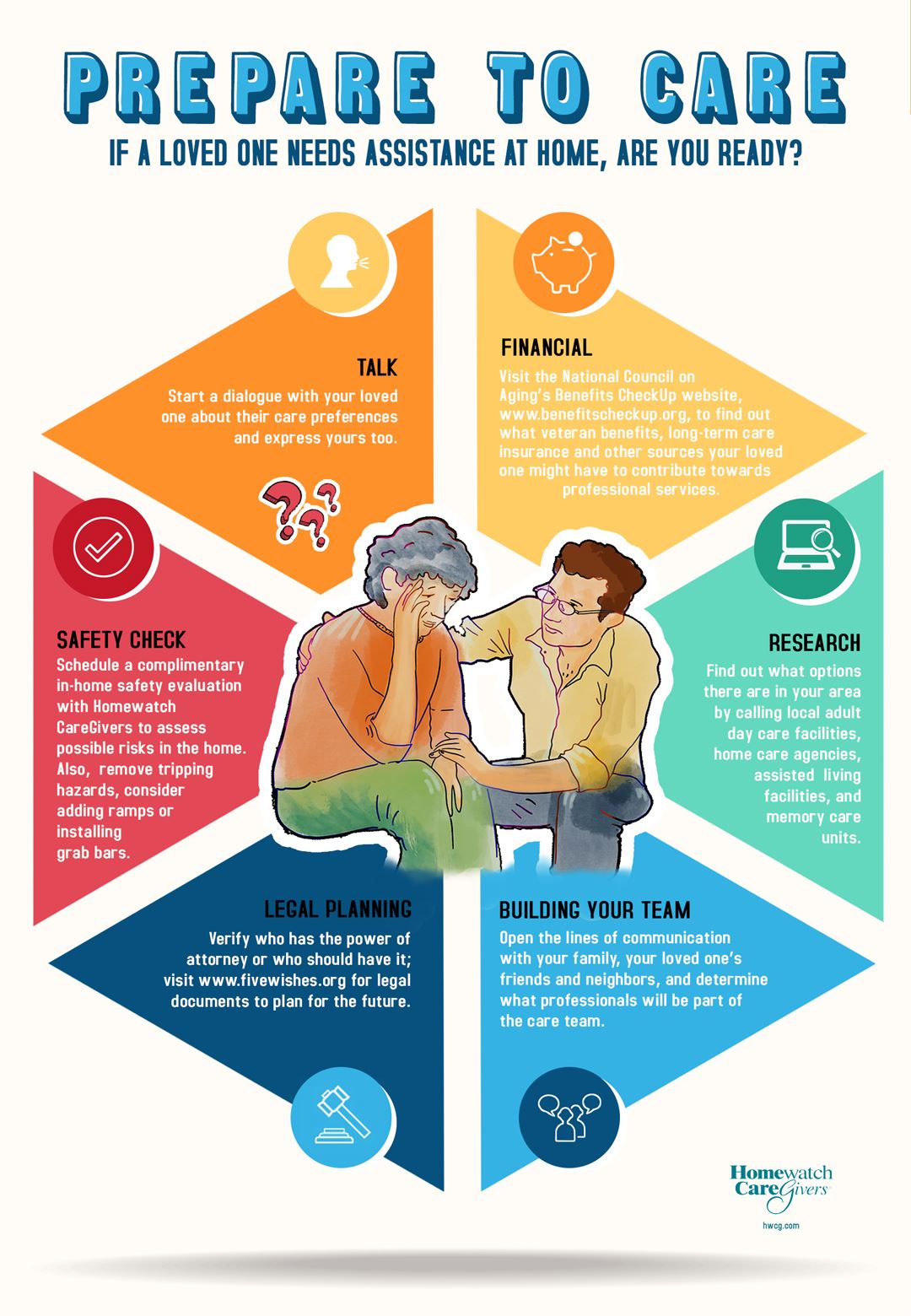
To begin, caring for someone often arises from a need. This need can come from various situations. It might be a chronic illness, aging, or recovery from surgery. Understanding the signs will help you know when to step in. Look for signs like frequent forgetfulness, difficulty with daily tasks, or health issues. These may signal that a loved one needs support.
Recognizing these signs is a crucial first step. It leads to discussions about care options. Be open & patient in these conversations. Understanding feelings & opinions is important for making decisions. Family dynamics can play a role here. It is helpful to include all family members in discussions about care. This ensures everyone is on the same page & supports the caregiving process.
Building a Support Network
No one can do everything alone. Building a support network is essential. It will help you manage your caregiving tasks. Family members, friends, & community organizations can all provide support. Share your feelings & ask for help when needed.
Support groups can also be a valuable resource. They connect you with others in similar situations. This can help you feel less isolated. Learning from others’ experiences can provide useful strategies. You will gain insight that may help you in your caregiving journey.
Assessing Care Needs
A thorough assessment of care needs is crucial. Start by determining daily tasks required for your loved one. This may include managing medication, cooking, or personal hygiene. Taking notes can help highlight what is needed. Also, consider emotional & mental health needs. Sometimes, companionship is as important as physical help.
Assess the level of assistance needed. If your loved one can handle some tasks, offer support instead of taking over completely. This builds confidence & independence. Be that as it may, if they struggle with basic tasks, professional care may be a solution. Research local services. Compare costs & services to find the best fit.
Creating a Care Plan
Once you assess needs, a care plan is next. A care plan outlines all the tasks involved in caregiving. Include schedules for medication, doctor’s appointments, & daily activities. This can help keep things organized. Use charts or calendars for easy reference. Involving your loved one in creating this plan can make them feel more in control.
And another thing, be flexible with this plan. Needs may change over time. Regularly review the plan to ensure it meets current needs. Update as required. This will guarantee that your loved one receives the best care possible while respecting their wishes.
Balancing Caregiving with Personal Life
Caring for someone can be time-consuming. It is essential to find a balance between caregiving & personal life. Take time for yourself. Engage in hobbies or socialize with friends. This helps relieve stress & prevents burnout.
Set boundaries for caregiving responsibilities. It is okay to say no to requests for help. Knowing your limits is vital for your wellbeing. Schedule breaks & give yourself permission to rest. Maintaining your health benefits both you & the person you are caring for.
Seeking Professional Help
Professional help may be necessary at times. Don’t hesitate to seek it out. Options range from in-home caregivers to assisted living facilities. Research the available resources around you. Look for caregivers with good reviews & qualifications. Interview potential caregivers to find the right fit for your loved one.
If finances are a concern, investigate community resources. Some organizations offer free or low-cost services. Local nonprofits may also provide assistance. Many of these resources are invaluable in easing caregiver stress & increasing the quality of care.
Staying Organized with Tools
Staying organized is crucial in caregiving. Use tools like planners or mobile apps. You can track medications, appointments, & tasks easily. Apps specifically designed for caregivers can help manage duties efficiently. They can remind you of medication times & schedule upcoming appointments.
Table for organizational tools:
| Tool | Description |
|---|---|
| CareZone | Organizes medications & health information. |
| Medisafe | Medication reminder & tracking app. |
| Cozi | Shared family calendar for easy planning. |
These tools can simplify caregiving tasks. They help you stay on track & reduce stress. You will find it easier to manage everything when organized.
Communicating Effectively
Effective communication is vital. Speak clearly & gently with your loved one. Listen to their concerns & feelings. This nurtures trust & understanding. Address any confusion or frustration with patience. Having open discussions can ease anxiety for both of you.
It is also important to communicate with healthcare providers. Share any changes in your loved one’s health. This information allows doctors to provide better care. Keeping everyone informed is essential for consistent support.
Adapting to Changes
Caregiving often means adapting to changes. Chronic illnesses can progress, requiring more assistance. Be prepared for these changes. This may include adjusting care plans or enlisting more help. Flexibility is key to effective caregiving. Staying at the center of the changes will allow you to respond rapidamente.
On top of that, emotional adjustments are significant too. Your loved one may experience mood swings or frustration. Offer reassurance & comfort during difficult moments. Always validate their feelings. Doing so strengthens your bond & helps them cope better.
Staying Informed
Knowledge is power in caregiving. Stay informed about health conditions & caregiving strategies. Books, articles, & reputable websites can provide helpful insights. Attend workshops or webinars focusing on caregiving practices.
Set goals for ongoing education. This could be reading a new book each month or subscribing to a caregiving newsletter. The more you learn, the better you can provide support. Also, rely on credible sources for the most accurate information about caregiving.
“Being a caregiver is one of the most rewarding experiences of my life.” – Maria Thompson
Maintaining Your Health
Caring for others demands a lot of energy. Your health is just as important. Prioritize your physical & mental health. Regular exercise, a balanced diet, & sufficient sleep are essential. Consult a healthcare professional for personalized advice. Just as you care for your loved one, you must care for yourself.
Make time for relaxation & self-care. Simple activities like reading or meditation can relieve stress. You owe it to yourself to recharge. When you take care of yourself, you offer better care. Keeping both your wellbeing & that of your loved one in balance leads to a happier experience for both.
Taking Advantage of Respite Care
Respite care is a valuable resource. It provides temporary relief for caregivers. This can be arranged through in-home services or facilities. Taking a break is vital for long-term sustainability in caregiving. Use respite care to recharge & refresh.
Explore local respite care providers. Knowing where to seek help allows you to plan breaks. Use this time for self-care or family engagement. These breaks are essential to maintaining your effectiveness as a caregiver.
Celebrating Small Victories
Every small achievement counts. Celebrate them in caregiving. Whether it is a successful meal or a completed task, take a moment to reflect. Gratitude will boost your morale. It also helps strengthen bonds with your loved one.
Focus on positivity in difficult times. Celebrating small victories fosters a supportive environment. In challenging days, reflect on these moments. They will remind you of the joy & progress made during this journey.
Practicing Patience & Empathy
Patience is essential in caregiving. Some days may be more challenging than others. Embrace empathy. Understand that your loved one may feel vulnerable & frustrated. A gentle approach is critical during such times.
This can be an emotionally taxing journey. Courageously facing these moments strengthens your relationship. Patience & empathy encourage healing. They create a peaceful environment for both caregiver & loved one.

What are the key components of effective caregiving?
Effective caregiving involves several key components including strong communication skills, empathy, patience, & a willingness to adapt to the needs of those in your care. Providing emotional support & understanding is also crucial in creating a positive caregiving environment.
How can I develop a caregiving plan?
To develop a caregiving plan, start by assessing the specific needs of the individual you are caring for. Involve healthcare professionals if necessary, & outline daily routines, medical requirements, & any support services that may be helpful. It’s also important to regularly review & adjust the plan as needed.
What tips can help in managing caregiver stress?
Managing caregiver stress can be achieved by prioritizing self-care, setting boundaries, & seeking support from family, friends, or professional counseling. Engaging in regular physical activity, pursuing hobbies, & ensuring adequate rest can also help alleviate stress.
How can I communicate effectively with a person receiving care?
Effective communication with a person receiving care involves being attentive, listening actively, & using clear, simple language. It’s important to be patient & to encourage open dialogue, allowing the person to express their feelings & needs comfortably.
What resources are available for caregivers?
Caregivers can access a variety of resources, including local support groups, online forums, & educational materials from healthcare organizations. Community services, such as respite care & meal delivery programs, can also provide essential assistance.
How can I ensure safety in caregiving?
Ensuring safety in caregiving involves creating a secure environment, identifying hazards, & adapting the living space to meet the needs of the person receiving care. Regularly reviewing safety protocols & being aware of emergency procedures is also vital.
What role does empathy play in caregiving?
Empathy is fundamental in caregiving as it helps build a trusting relationship between the caregiver & the individual receiving care. Demonstrating understanding & compassion can greatly enhance emotional well-being & make the caregiving experience more fulfilling.
How can I balance caregiving with other responsibilities?
Balancing caregiving with other responsibilities requires effective time management & prioritization. Creating a schedule, delegating tasks to others, & setting realistic expectations can help maintain a healthy balance between caregiving & personal commitments.
What are some common challenges faced by caregivers?
Common challenges faced by caregivers include emotional strain, physical exhaustion, & feelings of isolation. Caregivers may also struggle with navigating healthcare systems & coordinating necessary services for those they care for.
How can caregivers advocate for the needs of those they care for?
Caregivers can advocate for the needs of those they care for by being informed about their rights & available resources. Effective communication with healthcare providers & other relevant parties is crucial, as is actively participating in decision-making processes related to care.
What self-care practices are beneficial for caregivers?
Beneficial self-care practices for caregivers include regular exercise, maintaining social connections, & engaging in leisure activities. Mindfulness techniques, journaling, & ensuring sufficient rest are also effective in promoting mental & emotional well-being.
Conclusion
Taking care of someone can be both rewarding & challenging. By following the tips & strategies outlined in this guide, you can prepare yourself to provide the best care possible. Always remember to communicate openly & show compassion. Planning ahead & staying organized can make a big difference in managing daily tasks. Don’t forget to take care of yourself too, as it helps you remain strong & focused. Caregiving is a journey, & with the right mindset & tools, you can make a positive impact in the lives of those you support. Stay patient & loving; it truly matters.
