
Essential Career Fair Preparation Tips: Stand Out & Secure Your Dream Job. Prepare for success with these Essential Career Fair Preparation Tips. Learn how to stand out & secure your dream job effortlessly!

Understanding Career Fair Preparation: A Guide to Success
Career fairs serve as vital opportunities for job seekers. They connect potential employees with employers in a structured environment. Knowing how to prepare ensures you make a lasting impression.
A Brief Reflection on Career Fair Preparation Strategies
Career fairs have evolved significantly. Initially, these events focused on straightforward job placements. Over time, they began to emphasize networking & personal branding. Today’s fairs offer workshops & resources to aid preparation.
Step-by-Step Approach for Effective Career Fair Preparation
Preparing well means taking several key steps. First, research participating companies. Create a tailored resume for each. Practice your elevator pitch to confidently introduce yourself. Be ready with specific questions for potential employers.
The Perks of Mastering Career Fair Preparation Techniques
Implementing solid preparation leads to numerous benefits. Improved confidence makes you more appealing. Targeted resumes help employers remember you. Engaging conversations can create networking opportunities & future interviews.
Addressing Challenges in Career Fair Preparation
Preparation often presents challenges. Anxiety can hinder your ability to connect. Overcoming this requires practice & familiarization with the fair environment. Seek feedback on your resume & pitch from peers or mentors.
Future Directions for Career Fair Preparation Practices
Emerging trends indicate more digital integration. Virtual career fairs are becoming common. They offer unique ways to interact & connect beyond physical barriers. Embracing technology will remain crucial for future job seekers.
Essential Career Fair Preparation Tips: Stand Out & Secure Your Dream Job
Research Companies Before the Fair
Knowing companies before the fair is crucial. Visit the career fair website. Look for the list of participating companies. Write down key details about each one. Research their mission, values, & recent news. Make a note of the positions they are hiring for. This information forms the basis of your conversations at the fair.
Tailor your resume for each company. Highlight relevant experience & skills. Employers appreciate applicants who show interest. Prepare specific questions about the companies. This shows your dedication & interest. Use resources like LinkedIn for additional insights.
Practice Your Elevator Pitch
Your elevator pitch is important. This is a short summary of who you are. Include your background & what you seek. Aim for 30 seconds to one minute in length. Practice saying it out loud. Try it with friends or family for feedback. This will help you sound confident at the fair.
Use clear language. Avoid jargon or complex terms. You want to ensure anyone can understand you. Keep it engaging. Highlight what makes you unique. Employers hear many pitches; yours should stand out.
Prepare Your Resume & Cover Letter
An updated resume is vital for the career fair. Keep it to one page if possible. Format it neatly & clearly. Include your name, contact details, & relevant experience. Tailor your resume to highlight skills for each company. A good cover letter is also key. Make it specific to the job you want.
Print multiple copies of both documents. Bring them in a professional-looking folder. This ensures they stay neat. Remember to write your contact details at the top.
Choose the Right Outfit
Your outfit speaks before you do. Dressing appropriately is essential. Aim for business professional or business casual attire. This depends on the industry you target. For corporate jobs, choose formal clothing. Be that as it may, for creative fields, you can opt for stylish yet formal outfits.
Ensure your clothes are clean & fitted. Pay attention to grooming as well. Hair, nails, & shoes should also be tidy. When you look good, you feel good. Confidence shines through your appearance.
Plan Your Day at the Fair
Have a clear plan for the day. Know when & where the fair starts. Arrive early to avoid last-minute rush. Review the list of employers again. Highlight the ones you want to meet first.
Mark the locations on a map if available. This helps save time. Join sessions or talks if they interest you. This is a great way to learn. Meeting more people increases your chances. Bring a notebook to jot down important points. Take some time to breathe during the day. It can feel hectic, but stay focused.
Network Effectively
Networking is a key part of career fairs. It brings opportunities. Approach recruiters with a friendly smile. Introduce yourself & offer your resume. Ask open-ended questions. This encourages a dialogue instead of a simple Q&A. Listen actively to their responses.
Create a connection. Exchange contact details with recruiters. This can help in follow-ups. After the fair, send a thank-you email. This will remind them of your conversation.
Be open to meeting other job seekers too. You never know who might have insights or connections.
Follow Up After the Fair
Always follow up after the fair. Send a thank-you email to recruiters you met. Express gratitude for their time. Reiterate your interest in their company. This shows professionalism & respect.
Remind them of specific topics from your conversation. Mention any advice they gave. Keep your email short & courteous. If you have not heard back in a week or two, consider a polite follow-up.
Be Ready for On-site Interviews
Some employers may conduct interviews at the fair. Be ready for potential on-site interviews. Review common interview questions ahead of time. This preparation boosts your confidence. Make sure to bring a pen & paper. Take notes if something important comes up.
Dress like you would for an interview. Keep a notepad handy for notes. Remember to listen carefully to questions. Respond clearly & concisely.
Stay Positive & Confident
Staying positive is crucial during the event. Rejections may happen. Don’t let them deter your spirit. Focus instead on opportunities. Each interaction teaches something new. Confidence can make a big difference. Stand tall & maintain good eye contact.
Encourage yourself with positive affirmations. Remind yourself of your strengths. Positivity attracts people. Show enthusiasm for each conversation you have.
Gather Feedback & Improve
After the fair, reflect on your experience. Think about what went well & what didn’t. Gather feedback from friends or peers. This will provide new perspectives. Consider what you can improve for next time.
Practice makes perfect. Use this experience for future career fairs. Gather insights on companies & position descriptions. Each opportunity contributes to your learning process.
Utilize Social Media for Job Searching
Social media can boost your job search. Platforms like LinkedIn are valuable. Connect with recruiters & hiring managers. Join groups for job seekers in your field. Join discussions & share your insights.
Stay active on these platforms. Post about your career fair experiences. This showcases your enthusiasm & engagement. Share useful articles & content related to your field.
Balance Your Online & Offline Efforts
Using both online & offline job searching strategies is essential. Attend career fairs while keeping an eye on online postings. Check job boards daily for new openings. Apply to relevant positions as soon as possible.
Networking in person builds relationships. Online connections can also lead to job opportunities. Use both approaches for maximum impact. Attend webinars & virtual career events too.
“Preparation is key to success at career fairs.” – Anna Smith
Develop Your Soft Skills
Employers value soft skills just like hard skills. Soft skills include communication, teamwork, & adaptability. These skills make candidates stand out. Work on improving these areas continually. Engage in group activities or volunteer work.
Use every opportunity to practice these skills. Seek feedback after group projects. This will help you see your strengths & weaknesses. Focus on developing a strong personal brand.
Pursue Continuous Learning
Engage in continuous learning to increase your value. Take online courses relevant to your field. Attend workshops or webinars. This knowledge makes you a more attractive candidate. Stay updated on industry trends & advancements.
Show this commitment at career fairs. Mention new skills you learned during conversations. Share how you apply them in real situations.
Engage with Alumni Networks
Alumni networks can be a great resource. Reach out to your school’s alumni. They may operate in companies you are interested in. Attend alumni events to build connections. Often they are willing to help fellow alumni.
Utilize networking platforms to connect with alumni. They can provide insights & referrals. Having these connections increases your chances. Alumni open doors to opportunities you may not find elsewhere.
Stay Informed about Industry Trends
Awareness of current trends is crucial. Read industry blogs, newsletters, & magazines. This knowledge will come in handy during conversations. Being informed shows you are serious & engaged.
Prepare questions about these trends for recruiters. This creates engaging discussions. It demonstrates your commitment to the field.

Prepare Your Resume & Cover Letter
Creating a strong resume is crucial. It’s the first impression you give to employers. Your resume should highlight your skills & experience. Make it clear & concise. Use bullet points for easy reading. Tailor your resume for the jobs you want. Customize it for each position. Focus on relevant work experience. Include your education & certifications.
The cover letter is equally important. It allows you to showcase your personality. Explain why you are a good fit for the job. Address the hiring manager by name if possible. Be specific about why you want to join their organization. Show enthusiasm for the company & the role.
Resume Preparation Checklist
- Contact Information
- Summary Statement
- Work Experience
- Education
- Skills
Invest time in updating your resume. Check for typos & grammatical errors. Use a simple layout that looks professional. Your resume should be one page for entry-level positions. For experienced roles, a two-page format is acceptable. Make sure to save it in PDF format to maintain the layout.
Understand the Companies Attending
Research companies that will be present at the career fair. This information helps you target your approach. Visit the company’s official website. Read about their mission & values. Understand what they do. Knowing their industry helps you converse better during the fair.
Make a list of companies that interest you. Prioritize them based on your career goals. This strategy allows you to focus your time at the fair. You do not want to waste time on companies not aligned with your goals.
Company Research Table
| Company Name | Industry | Mission Statement |
|---|---|---|
| ABC Technologies | Information Technology | Innovating solutions for future challenges. |
| XYZ Retail | Retail | Delivering quality products at affordable prices. |
By understanding these companies, you can prepare specific questions. This preparation shows recruiters you are genuinely interested. It sets you apart from other candidates at the fair.
Dress Appropriately for Success
Your appearance matters at career fairs. First impressions are lasting. Choose attire that is professional. Consider wearing business casual or formal clothes. Ensure your clothes fit well & are clean.
Comfort is also important. You will spend hours standing & walking. Wear comfortable shoes. Avoid flashy accessories that might distract. Keep your look simple & polished. Aim for a neat hairstyle & minimal makeup.
Professional Attire Checklist
- Button-up shirt or blouse
- Dress pants or skirt
- Blazer or suit jacket
- Comfortable dress shoes
“Dressing professionally shows you respect the opportunity.” Jane Doe
Your choice of clothing can help build confidence. Feeling good about how you look can improve your mood. This effect can boost your performance during conversations.
Practice Your Elevator Pitch
An elevator pitch is a brief introduction. It should be no longer than 30 seconds. Focus on key points about yourself. Introduce your name, education, & relevant experience. Explain what you are seeking at the career fair.
This pitch can catch the attention of employers. Practice your pitch out loud. Ask friends or family for feedback. Ensure you sound confident & engaging. The goal is to express your interest without sounding rehearsed.
Elevator Pitch Components
- Your name
- Your field of study or background
- Skills or areas of expertise
- What you are looking for
Having a solid elevator pitch can open doors. It makes a good impression & positions you well. Be prepared to adjust based on the conversation.
Prepare Questions for Employers
Ask questions during your conversations. This shows engagement & interest. Prepare a list of thoughtful questions. Focus on the company’s culture, growth, & opportunities.
Employers appreciate when you show curiosity. A well-prepared candidate leaves a good impression. Think of questions related to your career goals. This approach can demonstrate your fit for the company.
Sample Questions to Ask Employers
- What qualities do you look for in a candidate?
- Can you describe the company culture?
- What training programs do you offer?
Your questions should reflect your interest in the employer. Customize them based on your research. Avoid generic questions that show a lack of effort.
Network Effectively at the Fair
Networking is crucial at a career fair. Meet as many people as possible. This includes recruiters, employees, & fellow job seekers. Every conversation is an opportunity.
Exchange contact information when possible. Use business cards or digital contacts. Follow-up after the fair is important. Sending a thank-you email can reinforce your interest. It can keep you in the minds of recruiters.
Networking Tips List
- Smile & maintain eye contact
- Be polite & respectful
- Listen actively
- Follow up with contacts
Good networking can lead to job opportunities. Many hires happen through connections. Don’t underestimate the power of building relationships.
Take Notes During Your Conversations
Notes are essential during the fair. It’s easy to forget details after many conversations. Bring a notebook or use your phone to take notes. Jot down key points & names of people you spoke with.
Include details about the company & specific conversations. This information will help you remember who to follow up with later. It can also assist when tailoring your applications.
Notes Organization Techniques
- Use different pages for each company
- Highlight important details
- Record dates for follow-ups
Well-organized notes allow for effective follow-ups. You will stand out if you reference specific conversations later. This method shows your attention to detail.
Follow Up After the Fair
After the career fair, follow up with any contacts. Send a brief thank-you email. Mention something specific from your chat. This personalization will make an impact.
Your follow-up should be clear & concise. Thank them for their time. Express your interest in potential positions. Attach your resume if appropriate. This method reinforces your commitment.
Follow-Up Email Structure
- Subject line: Thank You!
- Greeting
- Personalized message
- Closing statement
Following up shows professionalism. It distinguishes you from other candidates. It keeps the connection alive & increases your chances of success.
My Personal Experience
At my first career fair, I felt nervous. I prepared my resume & questions. It was exhilarating to speak with recruiters. I remember one company stood out for me. I did my research & tailored my questions. The conversation was engaging. I followed up after the fair. It led to an interview &, eventually, a job offer.
What should I do before attending a career fair?
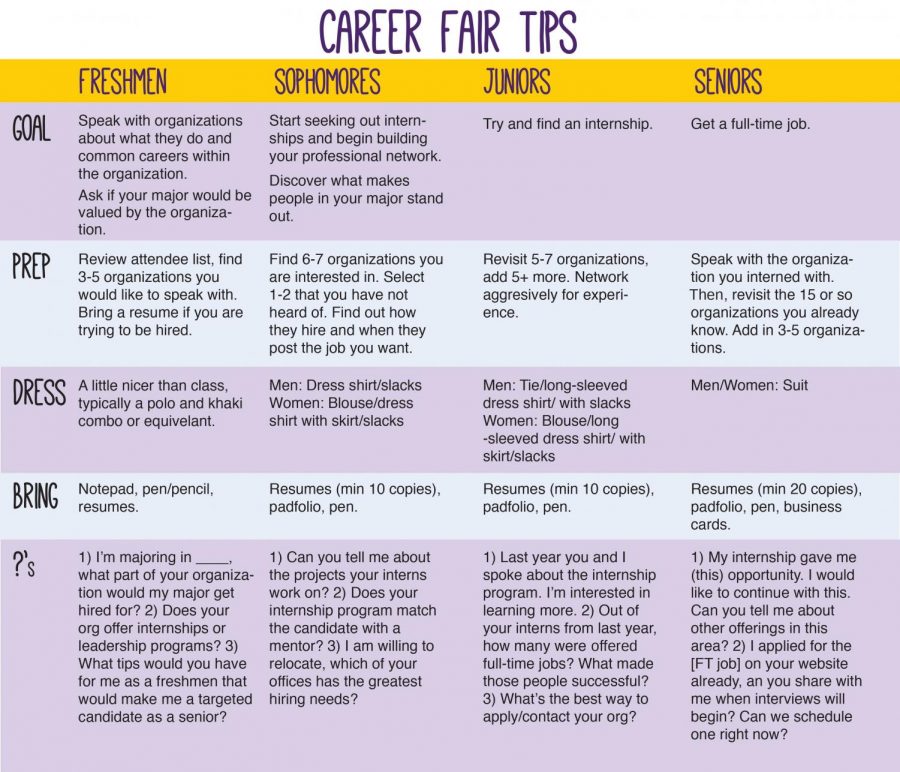
Prepare a strong resume & practice your elevator pitch. Research companies attending the fair & make a list of those you want to connect with. Dress professionally to make a good impression.
How can I stand out while networking at a career fair?
Be approachable & engage in meaningful conversations. Ask insightful questions & actively listen. Offering a firm handshake & maintaining eye contact also helps to create a positive first impression.
What materials should I bring to a career fair?
Bring multiple copies of your resume, a portfolio showcasing your work, business cards, & a notepad for taking notes. This will help you to stay organized & make a lasting impression.
How can I effectively follow up after the career fair?
Send personalized thank-you emails to the connections you made. Mention specific details from your conversation to remind them of who you are. This demonstrates your interest & professionalism.
What types of questions should I ask recruiters?
Inquire about the company culture, job openings, & what qualities they look for in candidates. Asking about their career paths can also provide valuable insights about growth opportunities within the company.
How should I dress for a career fair?
Opt for professional attire that aligns with the industry you are targeting. Business formal or business casual are typically safe choices. Ensure your clothes are clean & well-fitted to present a polished image.
What role does body language play at a career fair?
Positive body language, like smiling, standing straight, & making eye contact, conveys confidence & enthusiasm. Avoid crossing your arms & focus on being engaging during conversations.
How can I prepare my elevator pitch for a career fair?
Your elevator pitch should be concise & express who you are, what you do, & what you are looking for. Practice delivering it smoothly & be ready to tailor it based on your audience.
Why is it important to research companies prior to the fair?
Researching companies allows you to ask relevant questions & demonstrate your interest. It helps you focus on opportunities that align with your career goals & values.
What is the best way to approach recruiters at a career fair?
Approach recruiters with confidence & a smile. Introduce yourself clearly & state your purpose for approaching them. Be respectful of their time & ready to engage in brief but meaningful discussions.
Conclusion
Preparing for a career fair is key to making a positive impression & landing your ideal job. Start by researching companies that interest you, & practice your elevator pitch so you can introduce yourself confidently. Dress appropriately & bring plenty of resumes to share. Don’t forget to follow up with any connections you make after the event. Being friendly, approachable, & genuinely interested in conversations can set you apart. Lastly, remember to stay positive & open-minded. With these tips in hand, you’ll be well on your way to standing out & securing that dream job you’ve been aiming for.
