

Empower Your Future: GED Preparation & Career Training at Residential Treatment Facilities. Empower Your Future with comprehensive GED preparation & career training at residential treatment facilities. Build skills for a brighter tomorrow!
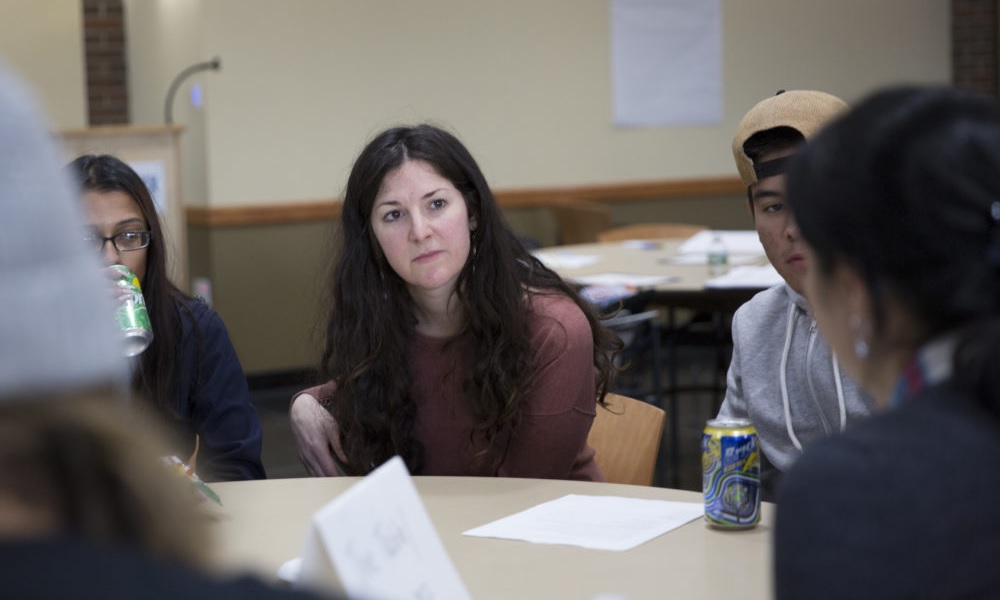
Understanding GED Preparation & Career Training at Residential Treatment Facilities
Residential treatment facilities provide essential skills for growth. They focus on education & career readiness for individuals in recovery.
Historical Progression of GED Programs in Residential Settings
GED programs have evolved significantly. Initially, these programs served minimum requirements for educational attainment. Over time, they expanded to include vocational training & personal development.
Strategic Approaches for Implementing GED Preparation Programs
Successful programs involve structured learning environments. Qualified instructors offer personalized guidance to students. Interactive lessons & group activities promote collaboration & engagement.
Advantages of GED Preparation & Career Training Initiatives
These initiatives create pathways to education & employment. Graduates enjoy increased job opportunities & better earning potential. Enhanced self-esteem & confidence also emerge from completing coursework.
Identifying & Addressing Challenges in GED Programs
Some participants face barriers like anxiety or past failures. Facilities must provide emotional support & mentoring. Adapting programs to meet individual needs proves essential for success.
Anticipating Future Developments in GED & Career Training
Emerging trends include online learning & remote instruction. Technological advancements will further enhance program delivery. Focus on industry partnerships will expand training opportunities for students.
Importance of GED Preparation
The GED is not just a test. It opens many doors. A General Educational Development (GED) certificate is a pathway to better jobs & further education. Many people want to earn their GED. They realize it boosts opportunities. It leads to gaining more skills & knowledge. GED preparation helps people feel confident & ready. They can learn at their own pace. This approach is often important for those in treatment facilities.
People often face many challenges on their educational journey. Some may have dropped out of school due to personal issues. Others may have experienced barriers that made traditional schooling difficult. GED programs provide a flexible option. They are tailored for those in treatment facilities. These programs support individuals in achieving their educational goals. The focus is on creating a positive learning environment.
Benefits of Earning a GED
- Improves job prospects.
- Increases earning potential.
- Provides access to higher education.
- Enhances self-esteem & confidence.
- Offers opportunities for personal growth.
Earning a GED can transform lives. Many industries require a diploma for entry-level jobs. With a GED, individuals can qualify for better job positions. This often results in higher salaries. And another thing, a GED leads to further education. Many colleges & vocational schools accept GED holders. This expands career choices & paths.
Career Training Programs at Treatment Facilities
Residential treatment facilities often offer career training programs. These programs help individuals gain skills for various careers. The combination of GED preparation & career training is essential. It equips individuals with qualifications & confidence. Participants learn practical skills. They may explore courses like computer skills, trade skills, or customer service.
Many facilities partner with local businesses. These partnerships often lead to job opportunities. Training programs focus on real-world skills. They help individuals prepare for the workforce. The goal is to make them competitive in the job market. Career counseling may also be available. This helps participants identify their strengths & interests.
Types of Career Training Available
| Career Training Program | Description |
|---|---|
| Trade Skills | Focus on hands-on skills like plumbing, electrical work, & carpentry. |
| Computer Skills | Teach essential computer programs & basic IT skills. |
| Customer Service | Train in communication skills & customer relations. |
This varied training helps participants choose a direction. They can explore multiple fields based on personal interests. Such programs are critical in reducing unemployment. They enhance employability in a competitive world.
Supportive Learning Environments
Support is key in learning at residential treatment facilities. Staff members create a welcoming atmosphere. They provide encouragement & understanding. This helps individuals feel safe & motivated. When people feel comfortable, they learn more effectively. Supportive interactions can enhance retention of information.
Peer support also plays a vital role. Individuals in treatment often form connections with each other. They share experiences & motivate one another. This built-in support system helps during tough moments. Programs promote teamwork & collaboration. Such activities build camaraderie & help in skill development.
Role of Educators in Treatment Facilities
- Facilitate engaging classes.
- Provide individualized attention.
- Encourage open communication.
- Offer constructive feedback.
- Monitor progress & adjust plans.
Educators in these facilities play a crucial role. They guide & support each individual. Their efforts help create a peaceful learning environment. They recognize different learning styles. This ensures everyone receives the necessary help. The focus is on growth & empowerment.
Obstacles to GED & Career Training
Even with support, individuals face obstacles. Some may struggle with anxiety or low self-esteem. Others may find it hard to focus on studies. These challenges can hinder success. They may cause people to feel overwhelmed. Recognizing these barriers is crucial. It allows for creating effective strategies to overcome them.
Many facilities use various techniques to address these issues. Counseling & therapy often help. They support mental health & coping skills. Workshops on stress management may also be available. These tools are beneficial in reducing anxiety. This helps individuals concentrate better on their studies.
Common Challenges Faced
- Lack of motivation.
- Difficulty with time management.
- Feelings of isolation.
- Concerns about the future.
- Difficulty understanding the material.
Addressing these challenges strengthens the program. When individuals are equipped with coping mechanisms, they perform better. Facilities can offer mentorship programs. This connects individuals with role models. They also build resilience & prepare for future challenges.
Success Stories of Empowerment
Many individuals have transformed their lives through GED preparation. Success stories can inspire others. They show the positive impact of education & training. These narratives often highlight the journey from treatment to triumph. They demonstrate how education can change lives for the better.
“Education is the key to unlocking potential & achieving dreams.” – Sarah Thompson
Some graduates return to share their experiences. They encourage current participants to stay committed. Success stories vary from completing the GED to gaining meaningful employment. Others pursue further education or vocational training. These journeys reveal hope & possibilities beyond addiction or hardship.
Real-life Examples of Transformation
| Name | Achievement |
|---|---|
| John Smith | Completed GED & now works as a certified electrician. |
| Emma Johnson | Earned a degree in business management. |
| Alice Brown | Helps others by working in mental health services. |
These accomplishments reflect the potential within individuals. They highlight how support & education can lead to success. The stories resonate with those on similar paths. They offer hope to those still in treatment.
A Collaborative Approach to Education
Collaboration is critical for success. Residential treatment facilities often work with local educational organizations. This partnership strengthens the support system. It ensures access to resources & expertise. Collaborations enable the sharing of best practices. This leads to better educational & vocational offerings.
Many organizations provide scholarships for further education. This can ease financial burdens for individuals. Access to community resources improves employment opportunities. These partnerships enhance the effectiveness of the programs. The focus remains on empowering individuals.
Examples of Effective Partnerships
- Local colleges offering classes at facilities.
- Businesses providing internships & job training.
- Nonprofits focused on education & health services.
These relationships create a network of support. Together, they help individuals gain skills & knowledge. This collaboration ultimately enriches community growth. Individuals become contributing members in society.
Future Trends in GED Preparation & Career Training
Education is always changing. New methods & technologies appear regularly. These innovations can enhance how individuals learn. Online courses are becoming popular. They offer flexibility for those balancing recovery & education.
Innovative teaching methods are vital. Many facilities are adopting project-based learning. This helps individuals engage with real-world scenarios. Such methods can improve understanding & retention.
The Role of Technology in Education
| Technology | Benefit |
|---|---|
| Online Classes | Flexibility to learn at one’s own pace. |
| Educational Apps | Fun & interactive learning experiences. |
| Virtual Tutoring | Access to personalized help anytime. |
Technology can remove barriers to education. It encourages self-paced learning & engagement. Individuals in residential treatment can benefit greatly from these advancements. Easy access to tools enhances their chances of success.
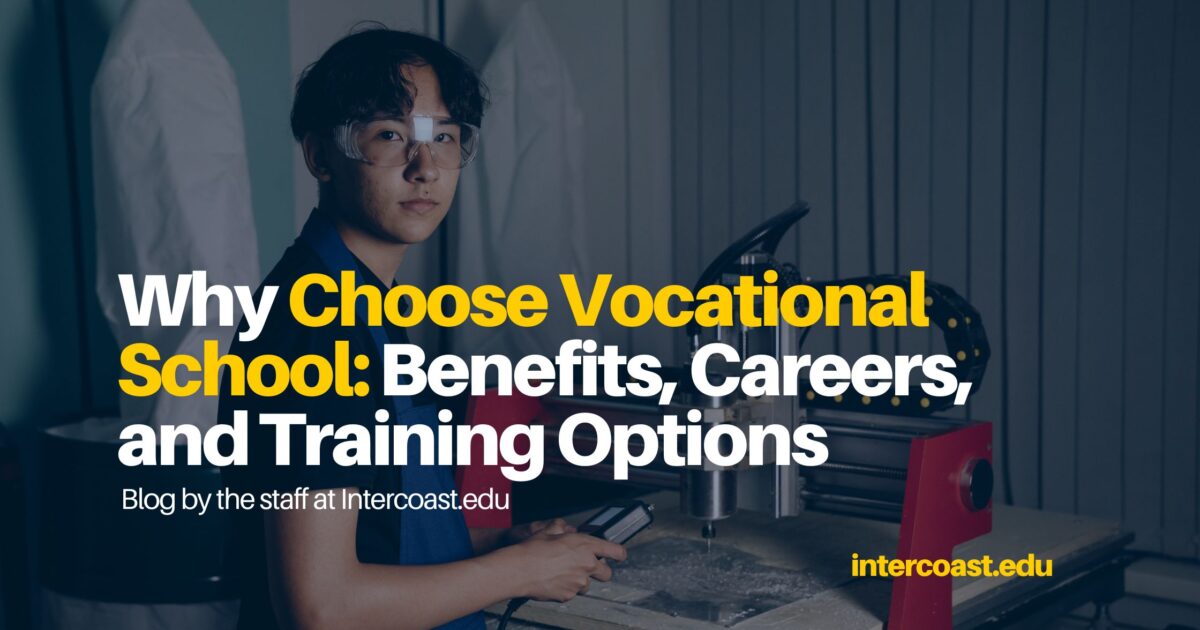
Empower Your Future: GED Preparation & Career Training at Residential Treatment Facilities
Many individuals find themselves seeking a fresh start. This may include education & career readiness. GED Preparation offers a path to high school equivalency. With this, individuals gain opportunities for better jobs. Career Training helps people learn specific skills. Many places offer these programs, including residential treatment facilities.
Why GED Preparation Matters
Obtaining a GED can open many doors. High school diplomas are important in today’s job market. Without one, job prospects may be limited. Many employers require at least a GED for entry-level jobs. On top of that, some positions pay much higher for graduates. This increase in wage potential can positively change lives.
GED tests cover vital subjects: math, science, social studies, & language arts. Knowing these subjects helps individuals qualify for jobs & further education. GED prep classes focus on these subjects. They can provide valuable skills for both work & life.
Benefits of GED Preparation
- Increased Job Opportunities
- Higher Salary Potential
- Ability to Pursue Further Education
- Improved Confidence
Career Training in Residential Treatment Facilities
Career training helps people learn job skills. Residential treatment facilities often offer this training. They provide a safe space for learning & growth. Programs can include vocational training, life skills, & personal development.
The focus of these programs is preparing individuals for the workforce. Training includes hands-on experience in various fields. These may range from culinary arts to computer technology. Each program aims to meet the needs of the community & students.
Common Areas of Career Training
| Field | Skills Learned | Potential Jobs |
|---|---|---|
| Culinary Arts | Cooking, Food Safety | Chef, Cook |
| Information Technology | Software, Hardware | Technician, Support Specialist |
| Construction | Building Techniques, Safety | Builder, Laborer |
This practical training prepares students for unique challenges. Facilities often collaborate with local employers. This helps students find job placements after completing programs.
“True change begins with education & skill.” – Emily Carter
Integrating Mental Health & Education
Education does not happen in isolation. Many students face mental health challenges. Residential treatment facilities offer support for these individuals. They provide therapy along with educational training. This dual approach helps address all needs.
Support staff at these facilities understand the struggles. They create plans that fit each person’s requirements. This can lead to improved self-esteem & motivation. Both education & mental wellness go hand in hand.
Support Structures in Place
- Individual Therapy Sessions
- Group Counseling
- Life Skills Workshops
- Peer Support Groups
Building a Network for Success
Networking is essential for career success. Residential treatment facilities help students meet others. They often create partnerships with local businesses. Students can engage in internship programs. These can provide crucial work experience.
Meeting employers is a significant step. This offers students insights into various industries. They can learn about job openings & requirements. Such connections may lead to job offers after completion.
Benefits of Networking
| Benefit | Description |
|---|---|
| Job Opportunities | Meeting potential employers can open doors. |
| Mentorship | Many professionals are willing to guide newcomers. |
| Community Support | Fostering relationships within the community provides comfort. |
Success Stories from Residential Treatment Facilities
Many people have transformed their lives through these programs. Success stories inspire newcomers. They show that change is possible. Graduates often report greater self-esteem & a clear career path. Many also continue their education to earn degrees.
Sharing these experiences encourages others to invest in their futures. Former students often return to share their journeys. Their stories act as powerful motivators for current students.
Popular Success Examples
- Sarah, a chef after culinary training
- John, now a technician in IT
- Mike, a certified construction worker
A Closer Look at How to Get Involved
Getting involved in GED preparation & career training is easy. Many treatment facilities welcome new students year-round. Lessons often focus on a variety of subjects & skills.
Applying to these programs typically involves an assessment. This helps staff identify the right path for each student. Admissions staff guide new students throughout the process. This ensures everyone feels comfortable & supported.
Steps to Enroll
| Step | Description |
|---|---|
| Contact the Facility | Reach out to inquire about programs. |
| Schedule an Interview | Meet with staff to discuss options. |
| Complete Necessary Paperwork | Fill out forms as required by the facility. |
Personal Experience with GED & Career Training
I faced challenges in my life that led me to participate in educational programs. The support I received was invaluable. I appreciated the understanding of teachers. They helped me through difficult subjects. I learned not just academics but also life skills. This experience gave me confidence & a sense of direction. Now, I have a brighter future.
Summary of Resources Available
Residential treatment facilities offer valuable resources. These can help individuals in need. Programs often include GED preparation & career training. Facilities also provide supportive staff & a community environment.
Students can take advantage of resources to boost their skills. They have access to tutors, counselors, & job placement services. This comprehensive approach ensures that individuals are well-rounded & prepared to take on the world.
Resources to Consider
- GED Study Guides
- Online Courses
- Workshops in Life Skills
- Internship Opportunities
What is the structure of the GED preparation program offered at residential treatment facilities?
The structure of the GED preparation program at residential treatment facilities typically includes a combination of classroom instruction, individualized study plans, & access to resources that help participants prepare for the GED tests. These programs focus on key subjects, including math, science, social studies, & language arts.
Who is eligible to participate in the GED preparation & career training programs?
Eligibility for GED preparation & career training programs at residential treatment facilities usually includes individuals who are residents of the facility & are seeking to gain their GED. Specific criteria may vary between facilities, so it’s essential to check with the administration for details.
How long does it take to complete the GED preparation program?
The duration of the GED preparation program can vary based on the individual’s learning pace & the specific curriculum design of the facility. Some programs may take a few months, while others may extend up to a year, allowing participants to progress at their own speed.
What career training opportunities are available alongside GED preparation?
Many residential treatment facilities offer a range of career training opportunities alongside the GED preparation. These may include vocational training in areas such as culinary arts, healthcare, trades, or technology, depending on the resources & partnerships available at the facility.
Are there any costs associated with the GED preparation program?
Typically, GED preparation programs & associated career training at residential treatment facilities are provided at no cost to participants. Be that as it may, it is advisable to inquire directly with the facility for any potential fees or material costs that may apply.
What support services are offered to participants during the program?
Support services for participants in the GED preparation & career training programs often include tutoring, mentoring, counseling, & access to resources such as computers & educational materials to facilitate learning & personal development.
How can completion of the GED benefit individuals in residential treatment?
Completing the GED can provide individuals in residential treatment with a sense of accomplishment, improved self-esteem, & better job prospects. It is a crucial step towards achieving educational & career goals, ultimately aiding in successful reintegration into society.
Can participants receive additional educational support beyond the GED?
Yes, many residential treatment facilities offer additional educational support services beyond the GED, including college preparatory programs, life skills training, & assistance with job placement to help participants further their education & enhance their employability.
How is progress evaluated in the GED preparation program?
Progress in the GED preparation program is typically evaluated through regular assessments, practice tests, & individual feedback from instructors, which helps ensure that participants are on track to successfully complete the GED requirements.
Is there a community or peer support element in these programs?
Many GED preparation & career training programs at residential treatment facilities incorporate community & peer support elements. This may involve group discussions, collaborative activities, & shared experiences, fostering a sense of belonging & support among participants.
What resources are available for studying outside of class hours?
Participants in the GED preparation program usually have access to a variety of resources for studying outside of class hours, including textbooks, online materials, tutoring sessions, & educational software that can aid in reinforcing learning.
Conclusion
GED preparation & career training at residential treatment facilities offers a fresh start for many individuals. These programs help build confidence & essential skills needed for a brighter future. Participants gain knowledge & work experience that opens doors to new opportunities. By learning in a supportive environment, they can overcome challenges & make real progress. These steps not only help to achieve a GED but also prepare them for future employment. With dedication & guidance, residents can shape their lives & pursue their dreams, leading to fulfilling careers & a better quality of life.
