
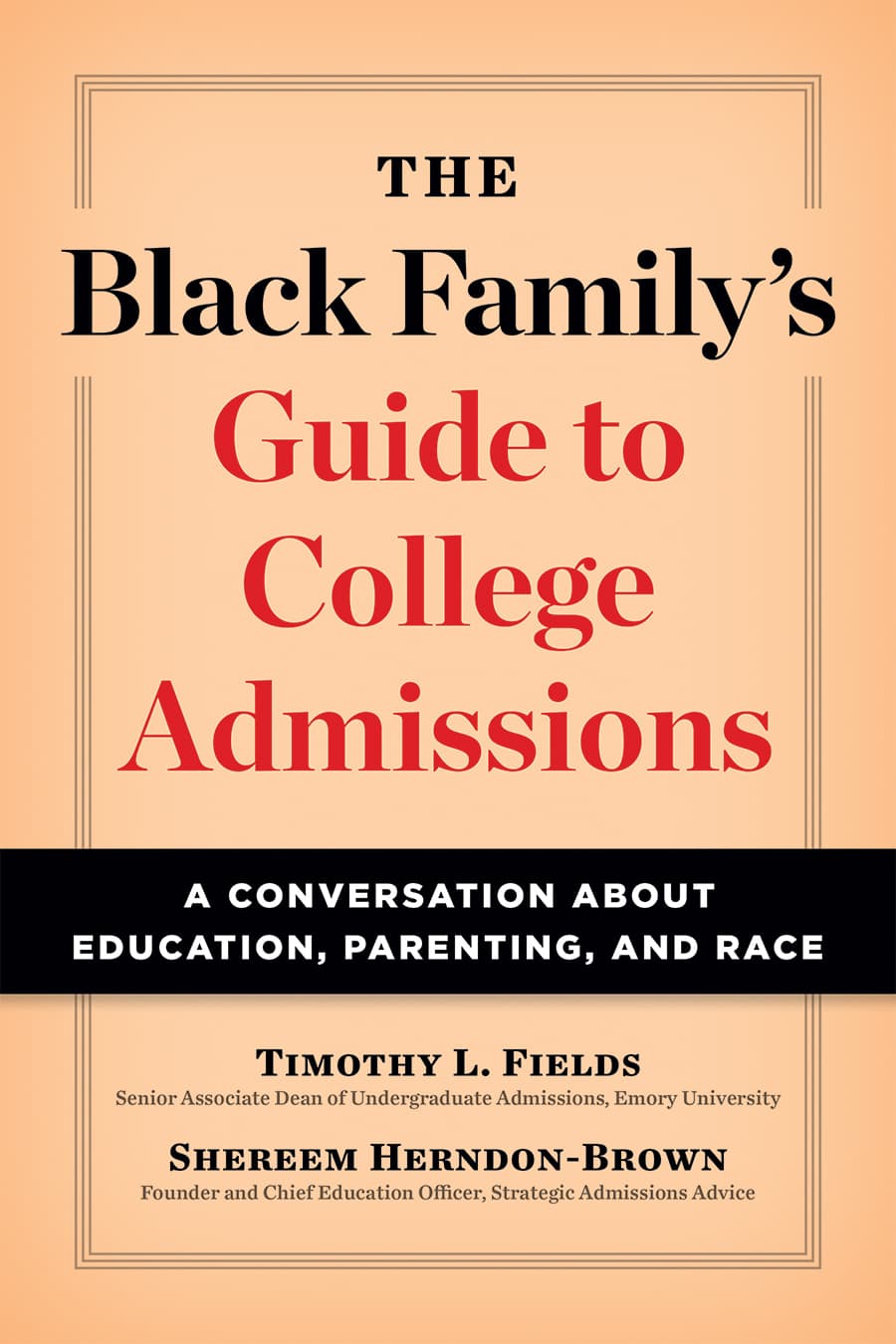
Black Family Guide to College Admissions: Proven Tips for Success. Black Family guide to ace College Admissions with simple Proven Tips for student Success.

Academic Planning & Course Selection
Early academic planning establishes a clear path toward college acceptance. By mapping out a sequence of challenging courses honors, Advanced Placement, International Baccalaureate students demonstrate preparation & ambition. Parents & guardians should review high school requirements, set targets for core subject completion, & collaborate with school counselors to fit academic goals into each semester’s load. The rigorous course lineup must align with graduation prerequisites & prospective college standards. Monitoring grades, seeking extra help when grades dip, & attending tutoring sessions all contribute to sustained academic performance. These steps reflect the mission of the Black Family Guide to College Admissions: Proven Tips for Success, ensuring that each student showcases their intellectual readiness.
| Course Type | Benefits |
|---|---|
| Honors Classes | Deeper subject knowledge, weighted GPA |
| Advanced Placement | College credit potential, exam practice |
| Dual Enrollment | Early college experience, transcript boost |
Building a Strong GPA & Transcripts
Sustaining a high GPA reflects consistent effort & study habits. Families can help by setting up a structured homework routine, designating a quiet study area, & scheduling regular check-ins to review grades & assignments. Many schools offer grade-tracking portals; encourage students to check these weekly & address concerns immediately. When grades slip, meet teachers to create improvement plans & consider peer study groups. These active interventions align with the guidance contained in the Black Family Guide to College Admissions: Proven Tips for Success. A polished transcript, showing academic honors & progressive course difficulty, sends a clear message to admissions officers about commitment & growth.
-
Weekly grade reviews with parents or mentors
-
Professional tutoring in challenging subjects
-
Summer programs for credit recovery or enrichment
Standardized Test Strategies
Targeted preparation for standardized exams such as the SAT or ACT can improve scores significantly. Beginning preparation at least six months before testing dates allows ample time for practice tests, content review, & test-taking strategies. Using official practice materials helps students become familiar with question formats & time constraints. Scheduling a diagnostic test early establishes a baseline, identifies weaknesses, & informs study plans. Incorporating short, consistent practice sessions rather than marathon study days maintains focus & prevents burnout. These methods reflect principles from the Black Family Guide to College Admissions: Proven Tips for Success, ensuring students approach exams with confidence & skill.
| Strategy | Outcome |
|---|---|
| Diagnostic testing | Targeted study plan |
| Timed practice sessions | Time management skills |
| Review incorrect answers | Concept mastery |
Crafting Compelling Personal Essays
A standout personal essay illustrates character, resilience, & unique experiences. Encourage students to reflect deeply on personal challenges, cultural heritage, or community involvement. Drafts should receive feedback from multiple sources teachers, mentors, family members to refine tone, clarity, & authenticity. Emphasize specific anecdotes over general statements, & eliminate clichés. Admissions officers value genuine voices & clear narratives that demonstrate self-awareness & future aspirations. Following insights from the Black Family Guide to College Admissions: Proven Tips for Success, students can position their story in a way that resonates with readers & underscores their fit with each institution.
-
Brainstorm personal experiences & values
-
Solicit feedback from diverse reviewers
-
Revise for clarity, voice, & specificity
Securing Impactful Letters of Recommendation
Strong letters of recommendation complement academic records by highlighting personal qualities: leadership, work ethic, empathy. Students should request letters at least one month before deadlines, providing recommenders with a résumé, personal statement draft, & a summary of accomplishments. Identify teachers or mentors who know the student well, can attest to classroom contributions, or have overseen extracurricular achievements. Regularly check that letters are submitted on time & follow up with reminders. This process mirrors guidance from the Black Family Guide to College Admissions: Proven Tips for Success, ensuring that each recommendation amplifies key strengths & authentic experiences.
| Source | Focus Area |
|---|---|
| Science Teacher | Analytical thinking |
| Coach or Club Advisor | Teamwork, leadership |
| Employer or Supervisor | Work ethic, responsibility |
Extracurricular Activities & Leadership Roles
Active involvement in clubs, sports, volunteer work, or student government demonstrates well-rounded interests & initiative. Seek leadership roles club president, team captain, event organizer to showcase responsibility & project management skills. Consistent participation over multiple years shows commitment. Community service, especially activities that address local needs, underscores social engagement & empathy. This aligns with this Black Family Guide to College Admissions: Proven Tips for Success, which emphasizes contributions that extend beyond academics. Encourage students to document roles, achievements, & impacts, so they can present concrete examples in applications & interviews.
-
Hold leadership positions in student organizations
-
Volunteer regularly at local non-profits
-
Participate in academic competitions or fairs
Financial Aid & Scholarship Navigation
Understanding financial aid options can make college affordable. Guide students through Free Application for Federal Student Aid (FAFSA) submission as soon as it opens. Research state-based grants, institutional scholarships, & private awards. Many scholarships target specific demographics, majors, or interests encourage families to compile a spreadsheet tracking deadlines & requirements. Emphasize essays & recommendation letters tailored to each scholarship, just as the Black Family Guide to College Admissions: Proven Tips for Success recommends. Regularly update financial aid applications if family circumstances change, & meet scholarship interview or portfolio submission deadlines.
| Aid Type | Key Detail |
|---|---|
| Federal Grants | Based on FAFSA, no repayment |
| Merit Scholarships | Awarded for achievements |
| Need-Based Grants | Dependent on financial need |
“A supportive family environment transforms the college admissions process into a collaborative achievement.” – Virginia O’Reilly
College Research & Campus Visits
Effective college research involves comparing program offerings, campus culture, & support services. Review institutional websites, virtual tours, & student testimonials. Create a scorecard to rate factors such as diversity initiatives, academic support centers, campus safety, & alumni networks. When possible, schedule in-person visits to experience campus life firsthand. Attend information sessions, meet with admissions officers, & sit in on classes. These engaged steps follow the recommendations of the Black Family Guide to College Admissions: Proven Tips for Success & help families make well-informed decisions. Encourage students to ask questions about mentorship programs, Black student organizations, & retention efforts.
-
Attend virtual or in-person campus events
-
Connect with current students or alumni
-
Compare academic programs side by side
Interview Preparation Techniques
College interviews provide opportunities to personalize applications. Practice responses to common prompts: academic goals, campus contributions, personal challenges. Conduct mock interviews with family members or mentors, focusing on eye contact, clear articulation, & professional demeanor. Prepare thoughtful questions about program specifics or on-campus support for Black students. Reviewing each college’s mission & recent initiatives demonstrates genuine interest. This aligns with the approach recommended in the Black Family Guide to College Admissions: Proven Tips for Success. Encourage students to follow up with thank-you notes, reiterating enthusiasm & key qualifications.
| Practice Activity | Benefit |
|---|---|
| Mock interview sessions | Confidence & timing |
| Feedback from mentors | Improved content |
| Research institution | Targeted questions |
Developing a College Application Timeline
Creating a timeline prevents last-minute stress & missed deadlines. List all application & scholarship due dates, factoring in time for essay revisions & recommendation submissions. Use digital calendars with alerts set one month, two weeks, & one week before each deadline. Break tasks into weekly goals draft essays by a specific date, request transcripts three weeks prior to application, complete FAFSA early in its release window. This method reflects the detailed approach in the Black Family Guide to College Admissions: Proven Tips for Success, helping families manage multiple applications systematically & confidently.
-
Create a master calendar with all deadlines
-
Set interim goals for drafts & submissions
-
Review progress weekly with family
Family Engagement & Support
Active family involvement fosters motivation & accountability. Host weekly check-ins to discuss academic progress, extracurricular commitments, & application status. Encourage open conversations about stress, time management, & college preferences. Some families form study groups with peers or hire college coaches for specialized guidance. Celebrate milestones high test scores, completed essays, acceptance letters to maintain morale. These practices echo the community-focused perspective of the Black Family Guide to College Admissions: Proven Tips for Success, reinforcing that college planning succeeds when families collaborate toward shared goals.
| Engagement Method | Impact |
|---|---|
| Weekly progress meetings | Enhanced accountability |
| Study group organization | Peer support |
| Recognition of achievements | Boosted motivation |
Utilizing Community Resources
Local libraries, community centers, & nonprofit organizations often provide college prep workshops, mentorship programs, & financial aid seminars. Identify resources focused on supporting Black students these programs often offer peer networks, academic coaching, & summer enrichment opportunities. Engage with local chapters of national organizations, such as pre-college initiatives or academic enrichment consortiums. By leveraging these community supports, families access tailored guidance consistent with recommendations from the Black Family Guide to College Admissions: Proven Tips for Success. These partnerships can bridge information gaps & cultivate supportive networks throughout the application process.
-
Attend community college fairs
-
Join mentorship programs
-
Participate in scholarship workshops
Balancing Wellness & Stress Management
Maintaining mental & physical health is crucial during the admissions process. Encourage balanced schedules that include time for exercise, hobbies, & sufficient sleep. Teach stress-reduction techniques such as deep breathing, mindfulness, or brief walks. Families can introduce time-blocking methods to allocate focused study periods & relaxation breaks. This approach mirrors the holistic considerations emphasized in the Black Family Guide to College Admissions: Proven Tips for Success. By preserving wellness, students sustain productivity & present their best selves in applications, essays, & interviews.
| Wellness Strategy | Benefit |
|---|---|
| Scheduled breaks | Prevents burnout |
| Physical activity | Stress relief |
| Mindfulness exercises | Improved focus |

Establishing Your Admissions Timeline
At the heart of the Black Family Guide to College Admissions: Proven Tips for Success lies a structured plan that ensures every step aligns with deadlines & goals. Early planning empowers families to coordinate entrance exams, high school coursework & summer enrichment so that candidates stand out. By mapping senior year responsibilities back to sophomore or junior years, students avoid last-minute scrambling & maintain balanced workloads. Families can coordinate discussions with guidance counselors, align test preparation schedules & monitor application portals in real time. A clear calendar fosters accountability & confidence across all participants from parents handling fee waivers to students drafting essays & collecting references. This section details strategies to craft a timeline that adapts to individual goals, highlights critical checkpoints such as standardized test registration, transcript review & scholarship deadlines, & offers guidance on maintaining momentum throughout the process.
Application Timeline Checklist
- Research college deadlines & group them by month
- Schedule SAT/ACT dates six months in advance
- Plan campus visits during junior spring break
- Request teacher recommendations by early senior fall
- Draft personal essay outline before summer
- Submit applications two weeks ahead of final due date
- Monitor financial aid deadlines & complete FAFSA promptly
Strengthening Academic Profile
High academic achievement speaks volumes in the college review process, yet grades form only a portion of a student’s story. This section outlines how to complement core coursework with advanced classes, dual enrollment options & extracurricular projects. Teachers, coaches & mentors can provide crucial feedback that transforms a solid transcript into a compelling narrative of intellectual curiosity & resilience. By targeting honors programs, International Baccalaureate or AP offerings that match personal interests, students deepen subject mastery while demonstrating drive. Participating in research seminars, local science fairs or creative portfolios adds dimension. Guidance counselors may recommend summer institutes or college-level workshops to showcase commitment. Busy families benefit from tracking progress quarterly, celebrating achievements & adjusting plans when roadblocks appear. We focus on methods to present a balanced profile that balances rigor, passion & community engagement.
Key Academic Profile Components
| Component | Action Plan |
|---|---|
| Advanced Coursework | Enroll in AP/IB classes aligned with strengths |
| Dual Enrollment | Take community college courses for college credit |
| Research Experience | Join local university labs or online mentorships |
| Extracurricular Projects | Lead a club or community initiative |
Securing Strong Recommendations
Personal endorsements from teachers, coaches & community leaders play a crucial role in bringing an application to life. When recommenders speak from genuine experience, they share anecdotes that highlight character, leadership & perseverance. Families should guide students to choose mentors who know their personal growth story well. Scheduling meetings to discuss academic goals & offering a resume with achievements helps writers create vivid testimonials. Following up with thank-you notes strengthens relationships long after applications submit. Black families often leverage church leaders, nonprofit coordinators or family business supervisors who have witnessed dedication firsthand. Consistent communication ensures letters arrive before deadlines & reflect updated accomplishments. This section shares tips on selecting advocates, preparing recommendation packets & maintaining respectful outreach throughout the admissions cycle.
Recommendation Strategy Steps
- Identify three mentors by junior spring
- Provide each mentor with a personal resume
- Discuss specific qualities you’d like highlighted
- Share draft essays to give context
- Confirm submission dates & deadlines
- Send a handwritten thank-you gift after acceptance
Crafting Personal Essays
Admissions officers often say essays reveal what grades cannot show: personality, motivation & perspective. A genuine narrative connects family roots, community values & individual aspirations. Starting with a reflective brainstorming session encourages students to unearth meaningful experiences from volunteer work to cultural traditions that shaped their identity. Families can role-play interview scenarios to refine storytelling skills. Peer review circles & writing workshops help polish tone, structure & voice. This section recommends a framework of hook, conflict, resolution & future vision so essays flow with clarity & purpose. Editing sessions limited to two reviewers prevent over-revision that dilutes authenticity. By focusing on specific moments, students transform generic statements into memorable passages. The goal: deliver essays that complement test scores & grades, leaving a lasting impression on admissions committees.
Essay Blueprint
| Section | Focus |
|---|---|
| Opening Hook | Start with vivid detail or dialogue |
| Personal Conflict | Describe a challenge & response |
| Lesson Learned | Share growth & insight |
| Future Vision | Connect to college goals |
Maximizing Financial Aid & Scholarships
Funding higher education can feel overwhelming, yet a strategic approach uncovers numerous opportunities. This section introduces federal & state aid timelines, competitive scholarships & community support grants. Black families can tap into organizations that specifically underwrite college costs for minority students, such as local foundations, alumni groups & civic clubs. Early FAFSA completion opens doors to Pell Grants & work-study programs. Merit-based scholarship essays often require focused themes service, leadership or academic promise. By researching award criteria, candidates tailor applications without duplicating essays. Parents can host calendar alerts for scholarship deadlines & partner with school counselors to refine submissions. We cover negotiation strategies for financial aid packages, emphasize appeals when offer letters fall short & highlight communal fundraising ideas like crowdfunding campaigns, live auctions or family-led sponsorships.
Financial Aid Checklist
- File FAFSA & CSS Profile by October
- Research ten minority-focused scholarships
- Prepare proof of income & tax documents
- Write targeted essays for top three awards
- Apply for campus work-study slots
- Contact financial aid offices to negotiate offers
Planning Effective Campus Visits
Visiting colleges in person illuminates campus culture, academic resources & student life in ways a website cannot. Black families benefit from scheduling meetings with multicultural affairs offices, black student union leaders & academic advisors to ask direct questions. Observing housing options, dining halls & recreational facilities enables decision-making based on comfort & community support. Weekend open houses often include financial aid workshops, mock classes & student panels. Preparing a list of questions about mentorship programs, internship pipelines & study abroad opportunities ensures visits remain efficient. This section advises booking guided tours, arranging overnight stays when possible & connecting with current black students through social media groups. Insights gathered on campus visits help refine final college lists & prepare families for relocation logistics.
Campus Visit Planning Table
| Visit Component | Action |
|---|---|
| Information Session | Register online two weeks ahead |
| Department Tour | Schedule meeting with faculty |
| Housing Preview | Request a dorm room walkthrough |
| Student Panel | Prepare five focused questions |
Leveraging Community & Cultural Resources
Strong networks amplify student success by providing guidance, insight & encouragement. Black families can engage local nonprofits, college access programs & church youth initiatives that offer workshops on college readiness. Mentoring circles with alumni volunteers shed light on living situations, internships & post-graduation planning. Cultural affinity groups often host essay contests, campus immersion trips & webinars on graduate school options. Community colleges provide bridge programs that transfer credit seamlessly to four-year campuses. Investing time in these resources embeds students in support systems committed to long-term achievement. This section outlines partnerships with HBCU preparatory academies, local scholarship clubs & virtual mentoring platforms. We showcase how families can create information sessions at home, coordinate group study hours & host panel discussions featuring recent graduates.
Community Resource Directory
- Local college access nonprofits
- Church-based youth mentoring
- Alumni affinity group workshops
- Virtual mentoring platforms
- HBCU prep academies
- Regional scholarship organizations
Family Support & Mentorship Techniques
A consistent support network alleviates stress & reinforces motivation throughout the college process. Parents, siblings & extended relatives can share responsibilities such as research tasks, mock interview coaching & essay feedback. Establishing weekly check-ins offers students an opportunity to voice concerns & celebrate wins. Mentorship partnerships between underclassmen & upperclassmen engage students early, building confidence. This section presents strategies for creating mentorship agreements, scheduling joint study sessions & offering emotional encouragement when challenges arise. It also highlights effective communication techniques, such as active listening & positive problem-solving language. By framing college admissions as a family project, each member contributes unique skills financial planning, time management or creative brainstorming so that students feel fully supported on their path to success.
Mentorship Roles Breakdown
| Role | Responsibility |
|---|---|
| Parent Coach | Manage deadlines & finances |
| Sibling Mentor | Share study tips & campus life insights |
| Extended Family | Provide moral support & networking |
| Peer Guide | Offer essay feedback & test study groups |
Maintaining Mental Health & Wellness
Balancing rigorous academic expectations with personal wellbeing remains vital to sustained success. Stress management techniques mindful breathing, physical activity & scheduled breaks help students avoid burnout. This section recommends daily routines that integrate exercise, creative outlets & relaxation time. Families can facilitate access to school counselors, teletherapy services & peer support groups. Open discussions about anxiety, impostor feelings & cultural pressures normalize emotions during high-stakes periods. Journaling prompts serve as outlets for reflection, while goal-setting sessions break overwhelming tasks into bite-sized achievements. By monitoring sleep patterns, nutrition & social interaction, students preserve focus & resilience. We share signs of burnout, resources for crisis intervention & tips on building a wellness action plan tailored to each student’s personality & schedule.
Wellness Routine Checklist
- Schedule 30 minutes of daily physical activity
- Set aside 15 minutes for meditation or journaling
- Plan social time with friends each week
- Track sleep & aim for eight hours nightly
- Balance study sessions with short breaks
- Access counseling services when stress peaks
Showcasing Success Stories & Next Steps
Reading real-life examples of families who have walked this path offers inspiration & practical ideas. Success stories highlight creative study techniques, family fundraising events & unconventional scholarship routes. They also reveal how students adjusted plans when obstacles arose & how community support made a difference. This section brings together three case studies that span campus choices, financial packages & career trajectories. Each account emphasizes the resilience & adaptability of Black families as they prepared for admissions, entry & retention in college. By reflecting on these journeys, new applicants gather insights that inform their own strategies & bolster confidence as they step into college life.
Success Story Case Studies
| Student | Key Strategy |
|---|---|
| Aaliyah, Class of ’22 | Coordinated Black sorority mentorship for essay feedback |
| Marcus, Class of ’23 | Secured summer research fellowship at local lab |
| Jordan, Class of ’24 | Led virtual fundraiser to cover campus visit costs |
“This guide transformed how we approached every step of the process, making success feel within reach.” – Guido Hauck
I still remember the day I sat at my kitchen table, surrounded by college brochures & scholarship forms, feeling overwhelmed yet hopeful. As I guided my younger cousins through mock interviews & cheered at every acceptance email, I drew on personal lessons I’d learned as a first-generation student in my family. I found that sharing my spreadsheets, celebrating small wins & reminding them why they started fueled their enthusiasm. That hands-on experience reinforced my belief that clear communication, genuine encouragement & resourceful problem-solving make the path to college admissions not just achievable but empowering for every Black family.
Conclusion
This guide shows how Black families can plan for college. It offers steps for helping students apply, getting ready for tests, & finding money for tuition. Parents can learn to talk with teachers, visit campuses, & build strong applications. Siblings & extended relatives can join the process with advice on essays & interviews. With clear steps, families gain confidence & stay on track. By using local resources & support groups, students can feel encouraged & meet their goals. Keeping communication open makes stress easier to handle. Following these tips can help your family find the right school, celebrate every achievement.
