

When Your Mate Says I’m Fine, Should You Ask Again? Understand Signs. Discover how to respond when your mate says I’m fine. Learn when to ask again & understand the signs in our relatable guide on When Your Mate Says I’m Fine, Should You Ask Again? Understand Signs.

Recognizing the Signs Behind “I’m Fine”
When a partner says, “I’m fine,” it often serves as a default, surface-level statement. This phrase can create a barrier to deeper conversations & emotional sharing. Recognizing subtle cues is paramount for understanding the true state of their feelings. Common phrases or gestures accompanying this statement may reveal conflicting emotions. These can include:
- Body language indicating discomfort, such as crossed arms or avoiding eye contact.
- Changes in tone or pitch, which may suggest underlying frustration or sadness.
- Withdrawal from usual activities or interactions that indicate emotional strain.
Being attuned to these signs can provide a more accurate perspective on your partner’s feelings. Increased awareness demonstrates empathy & shows that you care about their emotional well-being, prompting a more open dialogue if needed.
The Impact of Miscommunication
Miscommunication often creates barriers in a relationship. Phrases like “I’m fine” can signal a need for space or may stem from the belief that partners should be able to read each other’s minds. If not addressed, this can lead to frustration, misunderstanding, & resentment. Partners might find themselves walking on eggshells, unsure of how to approach sensitive subjects or offer support.
Identifying the difference between genuine composure & the need for reassurance can make a significant difference. Effective communication involves active listening & avoiding assumptions, fostering an environment where both partners feel safe to express their emotions adequately.
Body Language Cues
Body language often conveys feelings more authentically than words alone. Non-verbal cues can provide insight into how your partner truly feels, even when their words say otherwise. Look for the following signs:
- Posture: A closed-off posture might indicate that your partner is feeling defensive or uncomfortable.
- Facial Expressions: Subtle frowns or tight lips can suggest they’re not truly “fine.”
- Gestures: Fidgeting or avoiding touch may reveal nervousness or distress.
Understanding these cues becomes essential for responding appropriately to your partner’s emotional needs. Your attentiveness to such non-verbal communication builds trust & encourages a healthier dialogue.
What to Do When You Hear “I’m Fine”
When your mate says, “I’m fine,” it can create confusion about how to proceed. Here are steps to navigate this moment more effectively:
| Step | Action |
|---|---|
| 1 | Stay calm & patient; allow space for them to express themselves. |
| 2 | Ask open-ended questions that encourage deeper dialogue, rather than simple yes/no questions. |
| 3 | Reassure them that feelings are valid & it’s okay to share. |
| 4 | Offer support without judgment. Creating a safe space encourages honesty. |
Following these steps may prompt your partner to explore their emotions further. Sometimes, it just takes a gentle nudge & some genuine curiosity about their feelings.
The Role of Emotional Intelligence
Emotional intelligence plays a critical role in navigating situations where partners say they are fine but may not be. This skill helps individuals recognize their own emotions & those of others. It encompasses empathy, self-regulation, & social skills, all of which are important in interpersonal relationships. Understanding your partner involves:
- Recognizing their typical emotional patterns & responses.
- Being aware of triggers that may affect their mood or communication.
- Maintaining a level of self-awareness concerning your own reactions & emotions during discussions.
Improving emotional intelligence fosters stronger relationships. When partners can react sensitively to each other’s emotions, it nurtures a supportive environment essential for growth & communication.
Different Contexts of “I’m Fine”
The phrase “I’m fine” can take on various meanings depending on the context. Here are some scenarios that can illustrate this:
| Scenario | Possible Meaning |
|---|---|
| After a long day | May imply fatigue rather than emotional distress. |
| During an argument | Could indicate avoidance of conflict. |
| In public | May represent a desire to maintain appearances. |
| When asked multiple times | Signifies frustration or a need for space. |
Understanding the context can greatly assist in deciphering what your partner conveys. Recognizing these nuances allows for a more customized response tailored to their immediate emotional landscape.
Benefits of Asking Again
Sometimes, a follow-up question can lead to breakthrough moments in communication. When you choose to probe further after hearing “I’m fine,” you open up opportunities for discussion & connection. The benefits of asking again include:
- Encouraging honesty: It signals to your partner that their feelings matter.
- Creating a safe environment: This can foster trust & vulnerability.
- Clarifying needs: It helps identify what they truly want in that moment, whether it’s support or space.
Through thoughtful inquiry, you not only validate your partner’s feelings but also deepen your bond by showcasing mutual understanding & support.
The Importance of Follow-Up Questions
Follow-up questions should be open-ended & non-threatening, inviting discussion rather than pressing for answers. Examples include:
- “It seems like something might be bothering you; can we talk about it?”
- “I noticed you seemed a bit off earlier; is there anything you’d like to share?”
- “What can I do to support you right now?”
These inquiries demonstrate your intent to connect on a deeper level. By acknowledging the signals behind the words, you can elicit more genuine responses that provide insight into your partner’s feelings.
Understanding the Need for Space
While it is important to be supportive, respecting your partner’s need for space is just as vital. Sometimes, “I’m fine” is a signal to step back. Recognizing when to give your partner room can benefit both parties. Signs that they might need space include:
- Avoiding communication or being less responsive to texts & calls.
- Preferring to engage in solo activities instead of shared ones.
- Displaying signs of irritability when questioned about their feelings.
In allowing them the space they desire, you show that you respect their autonomy while still being available when they are ready to talk. This balance can strengthen the relationship & promote mutual understanding.
Red Flags to Watch For
When your mate frequently uses the phrase “I’m fine,” it may sometimes disguise deeper issues. Negative patterns can emerge that warrant attention. Red flags include:
- Consistent avoidance of emotional topics.
- A marked shift in their personality or behavior.
- Unexplained emotional outbursts following incidents where they previously claimed to be fine.
Awareness of these patterns is critical. Should you identify these signs, it is essential to approach the subject delicately. By demonstrating your concern, you can encourage your partner to be more open about their feelings.
Open Communication Practices
Establishing open communication protocols is fundamental for healthy relationships. Encouraging a culture where both partners feel comfortable expressing feelings can ease the tension surrounding phrases like “I’m fine.” Here are practices to enhance communication:
- Set aside regular time for check-in conversations, which allows both partners to share current feelings.
- Utilize techniques such as active listening, where feedback is given to affirm understanding.
- Establish ground rules for discussions, like no interruptions & a safe space for disagreements.
Facilitating open dialogue fosters trust & reassurance, making both partners feel validated in their feelings. This practice can reduce the frequency of misunderstandings & create a more encouraging relationship dynamic.
Constructive Conflict Resolution
Conflict is an unavoidable aspect of relationships. Thus, managing disagreements constructively is critical. When tensions arise after a partner has stated they are fine, follow these steps:
| Step | Action |
|---|---|
| 1 | Pause before responding; take a moment to understand your own feelings first. |
| 2 | Use “I” statements to express your feelings without casting blame. |
| 3 | Focus on finding solutions together, rather than “winning” the argument. |
| 4 | End the conversation on a positive note, affirming your love & support. |
These strategies can help navigate tough conversations & reinforce the strength of your relationship, allowing both partners to feel heard & respected.
Utilizing Resources for Support
Sometimes, external support may be necessary. Various resources can assist in enhancing relationship communication skills. These resources include:
- Books on emotional intelligence & relationship management.
- Couples counseling services for professional guidance.
- Workshops focused on communication skills & emotional awareness.
Utilizing these resources indicates a commitment to improving the relationship. They can provide valuable tools & techniques for strengthening emotional bonds & navigating difficult conversations more effectively.
Self-Care for Partners
It is essential to maintain a focus on self-care alongside caring for your partner. Encouraging self-reflection will not only benefit you but also help your partner. Some self-care practices include:
- Engaging in hobbies separate from the relationship to maintain independence.
- Establishing boundaries & knowing when to step back.
- Practicing mindfulness & stress-relief techniques to enhance emotional resilience.
Fostering your well-being while being attentive to your partner’s needs creates a healthy balance within the relationship. Both partners thriving individually can contribute to a stronger union.
Empathy as a Cornerstone
Lastly, empathy stands as a fundamental part of emotional connections in relationships. Recognizing & validating your partner’s emotions brings them closer together. Empathy involves:
- Understanding feelings without trying to fix them immediately.
- Providing a listening ear without judgment or criticism.
- Offering emotional support by personalized affirmations & gestures of love.
Creating a space for empathetic engagement allows your partner to feel seen & heard. This can ultimately lead to deeper emotional connections & greater relational satisfaction.
“The greatest gift you can give someone is your time & attention.” – Scarlett Schimmel

Recognizing Emotional Communication
In relationships, emotional communication plays a crucial role in ensuring both partners feel supported & understood. When your mate says, “I’m fine,” it doesn’t always convey the truth behind their feelings. This phrase can often be a shield, masking deeper emotions such as sadness, frustration, or anxiety. For many, saying “I’m fine” serves as a defense mechanism to avoid discussing difficult topics or articulating their true feelings. It’s pivotal to recognize this subtle language, as it can influence the dynamics of your relationship significantly. Acknowledging that words may not always reflect sentiments accurately can empower you to navigate conversations more effectively. It’s essential to cultivate an environment where your partner feels comfortable expressing their true feelings without fear of judgment.
Signs to Watch For
Paying attention to non-verbal cues can be just as important as listening to spoken words. When your mate responds with “I’m fine,” observe their body language, facial expressions, & tone of voice. Signs of discomfort may include crossed arms, avoiding eye contact, fidgeting, or a tense posture. These signals often suggest that the individual may be experiencing something beyond mere indifference. It’s beneficial to build a list of behavioral signs that indicate deeper emotional states. Becoming attuned to these cues can serve you well in future interactions, allowing for a healthier dialogue & deeper connection. By engaging in open & sincere discussions, partners can foster emotional intimacy & resolve issues before they escalate.
Facial Expressions to Consider
- Furrowed brows
- Tight-lipped smiles
- Frequent glancing away
Body Language Indicators
Body language often speaks louder than words. For instance, if your partner’s body is tense or they maintain a closed-off posture, such as crossed arms, this might indicate discomfort or unease. You can interpret these signs as cues to explore their feelings further.
Fostering Open Communication
Creating an atmosphere of open communication enhances relationship dynamics. Rather than accepting “I’m fine” at face value, consider prompting a deeper conversation. You might ask open-ended questions that encourage your partner to share their thoughts. Questions like, “What’s been on your mind lately?” or “Is there something bothering you that you’d like to talk about?” invite vulnerability & foster trust. By validating their feelings & encouraging honest dialogue, partners can strengthen their emotional bond. Actively listening during these conversations is crucial; it communicates that you care & are there for them regardless of their initial response.
Exploring Past Instances: Self Experience
Reflecting on my own experiences, I remember a time when my partner would often respond with “I’m fine.” One particular evening, I sensed something was off with her demeanor. Instead of accepting the surface-level response, I decided to gently inquire further. Initially, she resisted, but eventually, she opened up about her stressful day at work. This moment underscored for me the importance of probing beyond the immediate response. By nurturing open communication, we not only resolved the day’s issue but also solidified our emotional connection.
Ways to Promote Healthy Dialogue
- Practice active listening.
- Respond with empathy & understanding.
- Share personal feelings to encourage reciprocity.
Recognizing the Importance of Timing
Timing significantly impacts discussions about emotional health. If your partner appears overwhelmed or stressed, choosing the right moment to address their “I’m fine” may make all the difference. It’s important to ensure they’re in a space where they can talk & reflect. Engaging them during a calm moment, rather than when they are visibly upset, heightens the chances of an open conversation. Finding the right time to approach sensitive topics fosters a supportive environment, allowing for a deeper exploration of feelings.
Best Times to Have Serious Talks
| Time | Reason |
|---|---|
| After Dinner | Relaxed atmosphere creates openness. |
| Weekend Mornings | Not rushed, provides ample time for discussion. |
Understanding Their Space
If your partner indicates they need some time alone, respect that space. Pressuring them for answers in these moments can cause further distancing. Instead, reassure them of your availability whenever they feel ready to share. Supporting their need for solitude can foster trust & a stronger connection over time.
Contextualizing the Phrase
It’s essential to understand the context surrounding the phrase “I’m fine.” The significance may vary depending on the circumstances & recent events in your partner’s life. For example, if they just experienced a setback, the phrase might serve as a barrier against vulnerability. Acknowledging these contexts provides insight into their emotional landscape. Discussing issues together can clarify misunderstandings that often arise from ambiguous statements like “I’m fine.” By approaching the situation with empathy & awareness, you are equipping your relationship with the tools necessary for lasting resilience.
Examples of Contextual Cues
- Recent job stress
- Family issues
- Health concerns
Emotional Availability & Response
Your emotional availability directly influences your partner’s willingness to open up. If they sense warmth & understanding, the chances of engaging in deeper conversations increase. Be that as it may, if your reactions are dismissive or indifferent, they may retreat back into silence. Making yourself emotionally available encourages your partner to share their true sentiments. This can have lasting effects on how you both experience & express emotions in your relationship, creating a supportive cycle of openness.
Improving Emotional Availability
| Action | Impact |
|---|---|
| Practice Empathy | Builds trust & openness. |
| Share Personal Stories | Shows vulnerability, encouraging reciprocity. |
Knowing When to Step Back
Sometimes, the best approach is to step back & allow your partner to come to you when they’re ready. Pressuring them can produce defensive responses & hinder the chance for meaningful communication. Recognizing the fine line between concern & pressure is essential. Assess your partner’s demeanor & err on the side of respect for their space. The understanding that they will reach out when they’re ready can reinforce a positive dynamic. Allowing for personal boundaries shows respect & aids in creating an atmosphere of comfort & support.
Steps to Creating Respectful Space
- Give them time to process their feelings.
- Let them know you’re available without making demands.
- Encourage them gently when appropriate, without pressure.
Learning & Growing Together
As partners, growing together means learning from situations where “I’m fine” was at play. Every interaction grants insights about preferences, emotional triggers, & boundaries. Engage in reflections after difficult conversations to assess what went well & what can be improved. Discussing these moments together fosters a shared understanding & strengthens the bond you share. It’s about evolving as a unit, understanding the needs & desires that inform each other’s feelings.
Reflection Tactics
| Tactic | Description |
|---|---|
| Follow-Up Conversations | Discussing what was shared or unsaid after a moment of reflection. |
| Mutual Journaling | Writing down thoughts can provide clarity & open another channel of communication. |
“When your partner says they’re fine, it’s often worth it to probe a little deeper; the heart tends to hide behind the shields we create.” – Mr. Roger Stanton Sr.
Bridging the Gap with Humor
Incorporating humor during conversations can help alleviate the tension surrounding emotional discussions. A light-hearted comment or a witty remark may assist in diffusing any awkwardness. This approach can lead your partner to feel more relaxed & willing to engage in more meaningful dialogue. Humor illustrates that it’s okay to face tough topics, reminding them that you’re not just there for serious discussions you’re also a source of joy. Finding laughter in shared experiences is vital to a lasting relationship & can often lead to deeper connections.
Examples of Light-Hearted Approaches
- Sharing a funny story about your day.
- Using humor to lighten serious moments, making it easier to talk.
- Creating inside jokes related to the situation to ease tension.
Wrapping Up the Conversation
In conclusion, approaching the phrase “I’m fine” with care can significantly alter your relationship dynamic for the better. By recognizing signs, fostering open communication, & respecting emotional boundaries, partners can create a nurturing environment that allows for authentic expression. It’s crucial to consistently check in, use context, & understand non-verbal cues, enabling both partners to feel seen & heard. Remember, every relationship is unique, & tweaking your approach based on circumstances will yield positive results over time.
What does it mean when your partner says “I’m fine”?
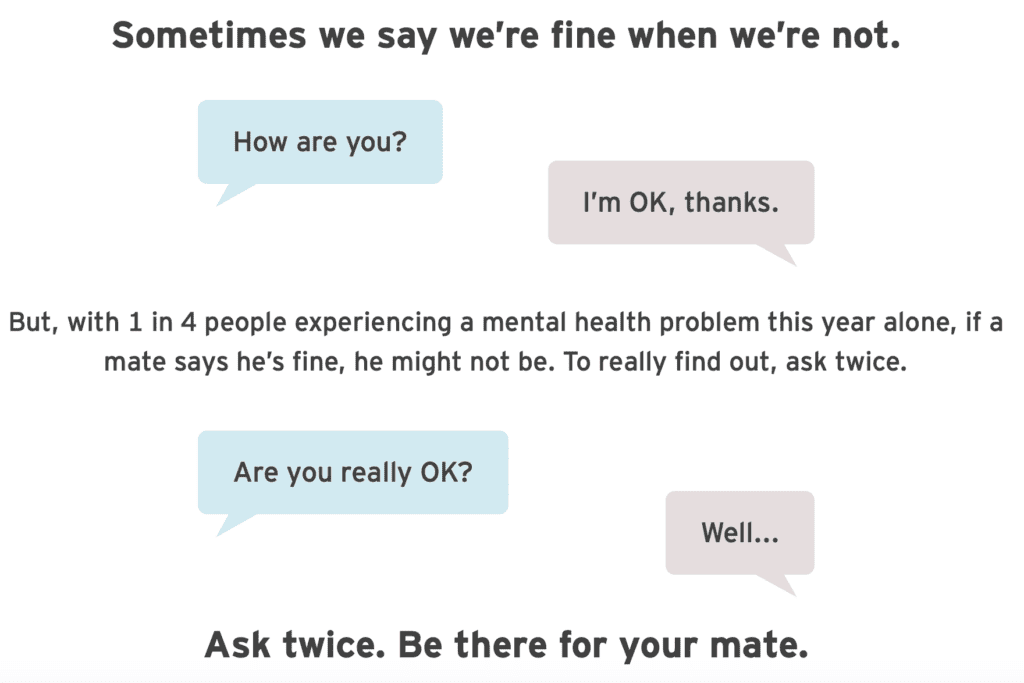
This phrase often indicates that the person may not be fine at all but is choosing to conceal their feelings. They might be feeling upset, overwhelmed, or frustrated but do not want to discuss it at that moment.
Should you ask your partner if they’re really fine?
If you sense that something is bothering your partner, it can be helpful to ask again, but do so gently. If they seem closed off, they may need space before they’re ready to talk.
What signs can indicate that your partner is not actually fine?
Look out for changes in body language, tone of voice, or general demeanor. If they seem distant, avoiding eye contact, or have a tense posture, these can signal that they’re not truly okay.
Why might someone say “I’m fine” when they’re not?
People may say “I’m fine” due to a desire to avoid conflict, fear of burdening others, or simply not knowing how to express their feelings. Sometimes, they might feel it’s easier to keep things to themselves.
How can you encourage your partner to open up?
Create a safe & supportive environment. Let them know you’re there to listen without judgment. Ask open-ended questions & give them time to express themselves when they’re ready.
Is it best to push for a conversation if your partner insists they’re fine?
If they firmly say they do not wish to discuss their feelings, respect their boundaries. Pushing too hard can lead to frustration or withdrawal. Sometimes, a little patience is the best approach.
What if your partner frequently says “I’m fine”? Should you be concerned?
If frequent occurrences of this phrase concern you, it may indicate a pattern of avoiding deeper issues. Consider discussing your observations & feelings about these interactions when the time feels right.
How can you show support without prying too much?
Check in with them regularly & offer your support. Use affirming language, showing that you are there for them while allowing them to come to you when ready to talk.
Are there different ways to interpret “I’m fine” based on context?
Yes, context plays a significant role. Consider the situation, their tone, & their usual communication style. A light conversation might indicate they’re genuinely fine, while a tense situation suggests otherwise.
What should you do if your partner opens up after saying “I’m fine”?
Listen actively & validate their feelings. Offer support & express that you appreciate their honesty. Let them lead the conversation & share at their own pace.
Conclusion
It’s clear that when your mate says “I’m fine,” there might be more beneath the surface. Sometimes, they genuinely might be okay; other times, it could mean they’re struggling but don’t want to talk about it. Pay attention to their body language & tone. If they seem off, it’s usually worth checking in again. A simple question can show you care & might encourage them to open up. Remember, communication is key in any relationship. It’s better to ask & offer support than to assume everything is alright. Keep the conversation going, & show you’re there for them.
