
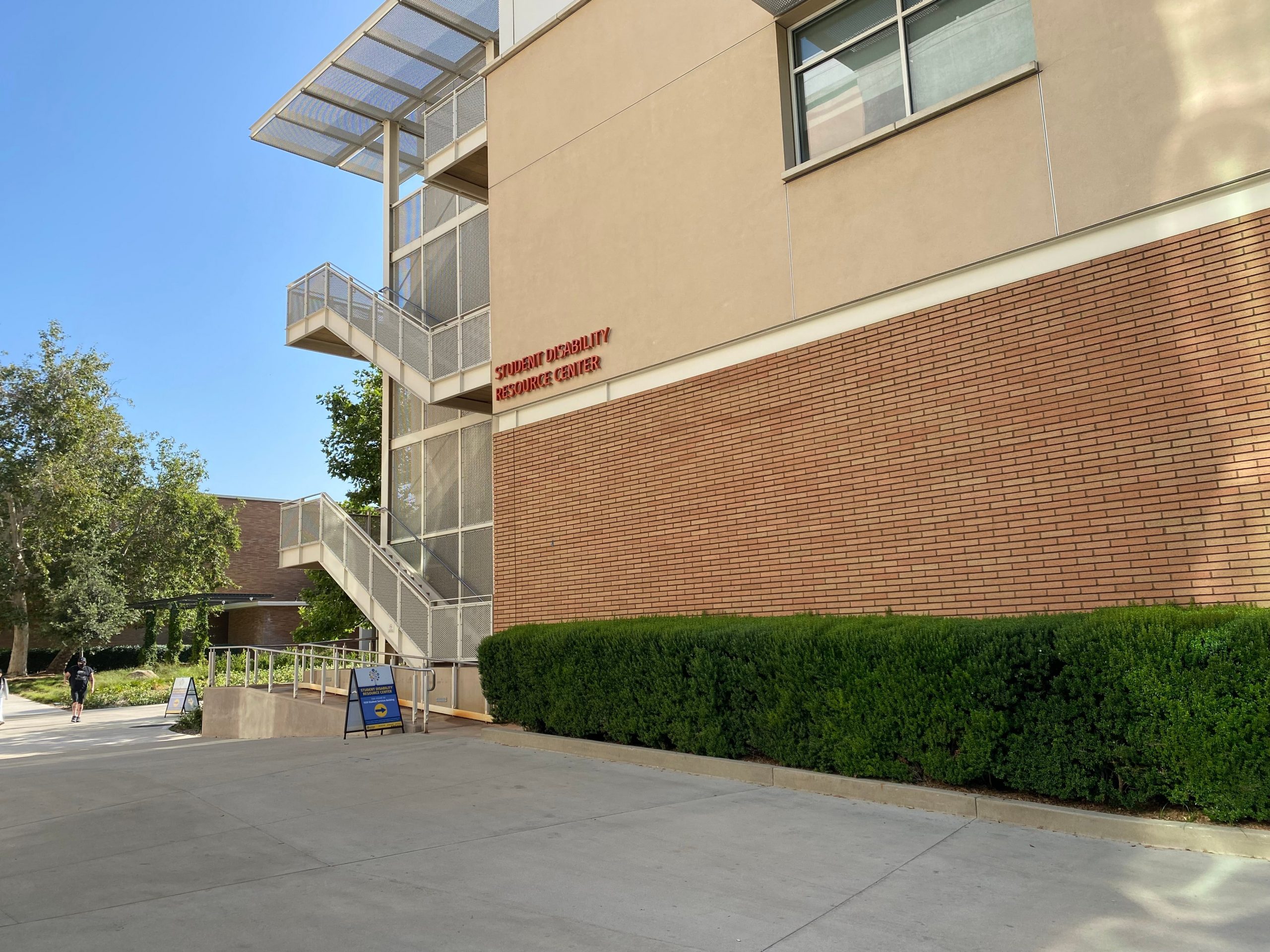
Essential Disability Resources Every Student Should Know About. Discover essential resources for students with disabilities! From support services To tools that foster inclusion, find everything you need To thrive in school.
What is Essential Disability Resources Every Student Should Know About & how does it work?
Essential disability resources provide vital support. Students with disabilities access tools, programs, & services designed for their needs. Resource centers ensure equal opportunities within academic environments. Various organizations assist students in navigating challenges associated with their disabilities. Educational institutions play an important role in implementing effective resources.
Brief history of Essential Disability Resources Every Student Should Know About
Disability resources have evolved significantly. Initially, few services supported students with disabilities. In 1973, Section 504 of Rehabilitation Act provided groundwork for equal access. Subsequent legislation further strengthened rights for individuals with disabilities. Growth of awareness fostered development of myriad resources available today.
How To implement Essential Disability Resources Every Student Should Know About effectively
Effective implementation requires collaborative efforts. First, schools must evaluate existing services. Gathering feedback from students helps identify gaps in support. Training staff about available resources enhances awareness. Finally, regular assessments ensure programs remain relevant & effective.
Key benefits of using Essential Disability Resources Every Student Should Know About
Many benefits arise from utilizing these resources. Enhanced learning opportunities promote academic success. Students gain greater independence through personalized support. Access To specialized programs fosters confidence & self-esteem. Inclusivity initiatives create a supportive community environment.
Challenges with Essential Disability Resources Every Student Should Know About & potential solutions
Numerous challenges exist in disability resource implementation. Limited funding often restricts available services. Schools may lack staff training regarding disabilities. Gaps in communication can hinder access. Offering workshops on disability awareness presents potential solutions. Increased advocacy for funding improves resource availability.
Future of Essential Disability Resources Every Student Should Know About
Future trends in disability resources may focus on technology. Enhanced assistive devices can improve accessibility. Online platforms make resources available anytime, anywhere. Continued advocacy will drive legislative changes, ensuring better support. Collaboration among stakeholders will enhance overall effectiveness & reach.

Essential Disability Resources for Students
Students with disabilities face unique challenges. Accessing proper resources ensures a smoother academic experience. Comprehensive support can significantly enhance educational success. Here’s an overview of essential programs & services available.
Types of Disability Resources
Academic Support Services
Many universities offer academic support services. They cater specifically for students with disabilities. These services include tutoring, note-taking assistance, & time management workshops.
Utilizing academic resources enhances learning outcomes. Students can reach out for help whenever necessary. Peer tutoring programs also provide valuable assistance.
Check university websites for specific details. Guidelines & eligibility for academic support typically vary by institution. Resources like University of Washington Disability Resource Services offer useful information on these options.
Technology Solutions
Technology offers various solutions for students. Adaptations can include screen readers & speech recognition software. Such tools significantly enhance accessibility.
Various apps & software exist that cater To different needs. Students may explore funding options for acquiring necessary technology. Grants are also available for assistive devices.
Learning management systems often include accessibility features. Check with academic support staff about available tools. Proper utilization ensures students maximize their learning experience.
Campus Accessibility Features
Many campuses prioritize accessibility. Features often include ramps, elevators, & designated parking. Awareness of these resources benefits students immensely.
Emergency protocols should also consider all students. Evacuation procedures need clear instructions for those with mobility impairments. Convenience & safety play crucial roles in campus planning.
Regular feedback helps institutions improve accessibility. Students should provide input on campus features. Doing so promotes a more inclusive environment.
Financial Resources & Support
Disability Scholarships & Grants
Numerous scholarships cater To students with disabilities. Such opportunities help lessen financial burdens during studies. Many organizations & foundations offer targeted funding.
Grants often cover tuition, fees, & supplies. Researching potential sources should be a priority. Prospective students should investigate local, state, & national options.
Collaboration with financial aid offices can uncover additional resources. Staff members often have knowledge of specific programs. This combined effort can significantly increase chances of success.
Work Study Programs
Work-study programs allow students with disabilities flexible job opportunities. Balancing work & studies can be challenging. These programs cater directly To individual needs.
Eligibility often depends on financial need & enrollment status. Universities typically offer various positions on campus. These roles can include research assistance & administrative support.
Availability of hours allows students To balance workloads. Flexible scheduling ensures students never feel overwhelmed. Increased focus on studies reflects positively on academic performance.
Counseling & Mental Health Services
Mental health resources are crucial for students. Many schools now provide specialized counseling for those with disabilities. Such services help cope with challenges faced daily.
Therapy options vary, including group & one-on-one sessions. Professional support can lead To improvements in emotional well-being. Awareness of available services should be communicated effectively To students.
A supportive environment fosters discussions about mental health. Schools need programs that promote awareness & destigmatize seeking help. Students deserve access To mental health resources without hesitation.
Advocacy & Peer Support
Disability Advocacy Groups
Numerous organizations advocate for disability rights. Many universities host groups focused on empowering students. These entities work diligently To influence policies.
Joining advocacy groups offers chances for personal growth. Students gain knowledge while building community. Such connections foster resilience essential for navigating educational systems.
Participation in advocacy initiatives amplifies student voices. Collaboration with local organizations paves further paths. Together, students can promote awareness & fighting discrimination.
Peer Support Networks
Peer support plays an essential role. Students often relate best with those sharing similar experiences. Sharing challenges & solutions can lead To effective coping strategies.
These networks foster a sense of belonging. Informal gatherings create environments where students can discuss personal journeys. Conversations help eliminate isolation common among individuals facing disabilities.
Participation encourages mutual support & resource sharing. Engage with others for motivational encouragement. Peer support can significantly influence academic performance & emotional well-being.
Online Resources & Communities
Virtual Resources for Students
The internet offers substantial tools for students with disabilities. Many platforms provide information on rights & available resources. Websites dedicated To student needs are convenient & informative.
Students can access numerous forums for peer interaction. These online communities allow for discussion & support. Finding a sense of belonging within virtual groups can bring immense relief.
Utilizing social media further connects students. Relevant hashtags & groups foster communication & collaboration. Engaging with others similarly situated can offer invaluable insights.
Resources for Accessible Education Materials
Accessible education materials enhance learning experiences significantly. Organizations provide textbooks & resources in alternative formats. This ensures everyone has equal access To course materials.
Utilization of such services often requires communication with professors. Students must inform educators about accessibility needs. Clear dialogue enhances everyone’s experiences in educational settings.
Many resources now offer digital formats compatible with technology. Increased access reduces barriers for visually impaired students. Keeping abreast of developments in accessibly formatted materials remains vital.
Campus Culture & Inclusion Programs
Inclusion Initiatives
Cultivating an inclusive campus culture benefits all students. Initiatives that facilitate inclusion often lead To diverse experiences. Awareness programs promote sensitivity towards disabilities.
Engagement opportunities vary, such as workshops & presentations. Numerous events foster understanding, empathy, & respect. Students become more aware of challenges faced by peers.
Inclusivity initiatives can help build strong bonds among students. Respectful interactions lead To collaborative environments. Everyone should feel valued & accepted within academic settings.
Awareness Campaigns
Regular awareness campaigns ensure students remain informed. Events & activities raise visibility for issues faced by individuals with disabilities. Participation in these campaigns should receive encouragement.
Creating visual displays or workshops helps educate peers. Different activities can address various needs & challenges. Innovative approaches can inspire conversations within campus life.
Campaigns empower students by providing platforms for discussion. Increased awareness promotes understanding & acceptance. Over time, cultural shifts lead To lasting impacts in society.
Creating an Inclusive Classroom Environment
Teachers play crucial roles in fostering inclusive environments. Adapting teaching styles accommodates diverse learning needs. Engaging students through various methods benefits everyone.
Utilizing diverse teaching resources enhances learning experiences. Flexible approaches help address individual challenges. Incorporating student feedback can enrich instructional practices.
Open discussions among students encourage mutual support. Students should have opportunities To share ideas & learn from one another. Together, they can create a more inclusive classroom atmosphere.
Holistic Support Programs
Health & Wellness Resources
Health & wellness services support student well-being. Physical & mental health are crucial for academic success. Many universities have dedicated divisions focusing on overall student health.
Accessible fitness facilities ensure students stay active. Counseling services address mental health needs through various formats. Outreach programs promote comprehensive wellness among students.
Holistic approaches can lead students towards healthy lifestyles. Education about nutrition, fitness, & mental health remains essential. Adopting such practices can enhance quality of life significantly.
Social Integration Opportunities
Social integration contributes significantly To mental well-being. Students benefit from connecting with peers through recreational activities. Opportunities for involvement should be encouraged by universities.
Clubs & organizations often provide platforms for engagement. Diverse activities help foster friendships among students with disabilities. Supportive networks can lead To increased feelings of belonging.
Involvement in community service can also benefit students. Engaging with others encourages meaningful connections. Together, they can make a positive impact on broader communities.
Essential Features of Disability Resources
- 👩🏫 Academic Support Services
- 🖥️ Assistive Technology Solutions
- 📝 Disability Scholarships & Grants
- 💬 Peer Support Networks
- 🔍 Online Resource Platforms
- 🏳️🌈 Inclusion Initiatives
- 🧠 Mental Health Services
Final Thoughts on Disability Resources
Understanding available resources remains vital for student success. Engaging with these resources positively impacts lives. Continuous efforts help empower individuals with disabilities. Navigating academic environments should never feel overwhelming. Accessing The appropriate support structures can foster acceptance & empowerment.
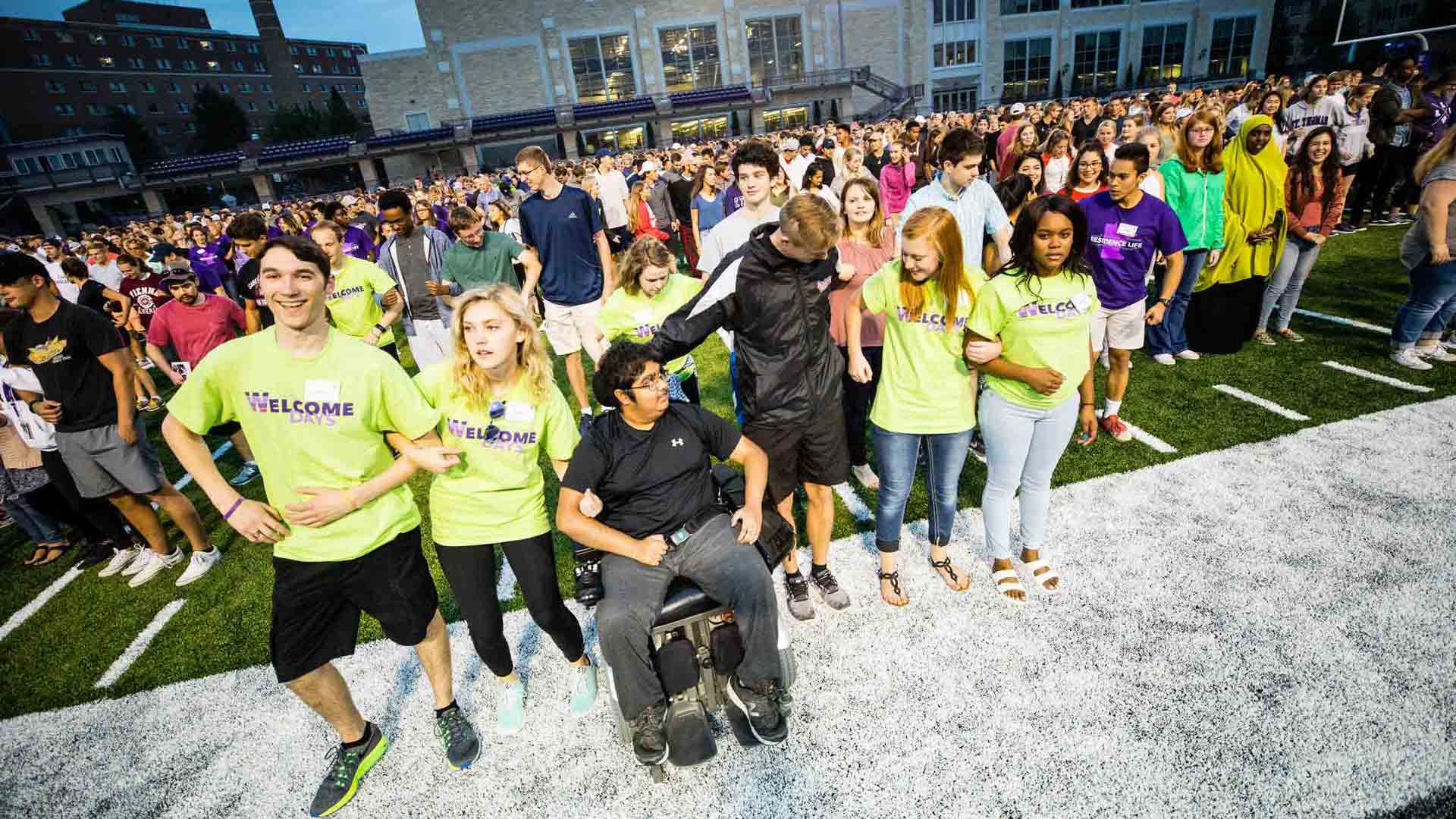
Understanding Essential Disability Resources
Every student faces unique challenges during their educational journey. Accessing appropriate resources remains vital for success. Essential disability resources offer support, information, & accommodations tailored for diverse needs. Awareness of available options empowers students. Enhancing academic experiences fosters a more inclusive environment.
Importance of Disability Services
Disability services play a crucial role in supporting students. These professionals help navigate various challenges related To disabilities. They conduct assessments, provide recommendations, & facilitate accommodations. Moreover, advocates ensure that students receive equal opportunities. Regular communication with disability services remains essential throughout academic experiences.
Students should contact disability services early. Delaying communication can hinder access To timely accommodations. New students often benefit from exploring available services right away. Resources can vary by institution, but most schools have dedicated offices with trained staff. Exploring options offers insight into specific support available.
Examples of disability services encompass academic coaching, note-taking assistance, & adaptive technology. Personalized plans address individual needs, creating an inclusive environment for every student. Each educational institution aims for equal access. For more information on disability resources, visit Student Disability Resource Center. Other institutions also offer excellent resources, including Disability Resources at Memphis.
Common Types of Accommodations
Accommodations vary based on specific needs. Examples include extended exam time, note-taking services, & accessible materials. Institutions evaluate requests individually, crafting tailored solutions. Communication remains essential for determining what accommodations best suit each student. Partners work together To ensure educational success.
Accessible technology represents another vital accommodation. Tools such as screen readers, voice recognition software, & text-To-speech applications can change academic experiences. Many campuses provide access To these technologies for qualified students. Encouraging students To explore these resources empowers them further.
Additionally, alternative formats for textbooks & course materials help meet various needs. Schools often provide audiobooks or digital formats for students with visual impairments. This effort enhances comprehension while promoting independence in learning. Many universities understand that accessibility remains fundamental To an inclusive educational framework.
Adapting Learning Environments
Learning environments must adapt To meet diverse student needs. Flexible classroom layouts enhance access for students with mobility issues. Instructors can utilize assistive technology effectively within diverse learning environments. This adaptability fosters a supportive atmosphere conducive To learning.
Integrating inclusive teaching practices increases engagement for students with disabilities. Sensitivity training for faculty promotes awareness & understanding of individual learning styles. By fostering an inclusive culture, institutions contribute positively To academic performance across The board. Every student benefits from an environment that celebrates diversity.
Active participation in discussions helps students learn effectively. Group projects benefit from varied perspectives, enriching learning experiences for all participants. Collaboration among peers positively affects self-esteem, enabling students with disabilities also To shine. An inclusive approach promotes cooperation & understanding in educational settings.
Peer Support & Advocacy
Many students find comfort in connecting with others in similar situations. Peer support groups create a sense of belonging. These groups facilitate discussions about challenges, provide encouragement, & share resources. Building relationships with peers fosters resilience among students facing obstacles.
Advocacy remains essential for students with disabilities. Encouraging students To self-advocate empowers them. Learning To communicate their needs clearly leads To better solutions. Understanding one’s own rights within educational environments is crucial for effective advocacy. Legal protections exist, promoting equality & access.
Students can cultivate advocacy skills through workshops or training programs. These initiatives may happen on campus or in community organizations. Engaging in these opportunities equips students with necessary tools & knowledge. Peer support coupled with advocacy can create transformative educational experiences.
National & Local Resources
Many national organizations provide essential resources for students with disabilities. Organizations such as National Center for Learning Disabilities offer valuable information & support. They provide tools & resources tailored for diverse learning needs. This organization fosters awareness of rights & resources available.
Additionally, local support services can enhance accessibility. Every community will have resources available, whether through schools, nonprofits, or advocacy groups. Collaboration with local organizations helps students find appropriate guidance. Connecting with these resources can make a substantial difference in academic success.
Exploring national & local resources ensures comprehensive support. Students should leverage all available opportunities. Each organization may offer workshops, seminars, & advice lines for further assistance. Utilizing these resources fosters independence while ensuring students have all necessary tools for success.
Financial Aid for Students with Disabilities
Financial aid options remain essential for students with disabilities. Many scholarships & grants cater specifically To students facing challenges. Institutions provide individualized guidance on available financial resources. Seeking financial support early throughout one’s academic journey is crucial for avoiding stress later on.
Various organizations focus on offering financial assistance. Websites like Fastweb & Cappex provide extensive databases of scholarships available for those with disabilities. Investigating options helps students discover funding sources tailored To their unique situations. Managing finances effectively contributes meaningfully To academic journeys.
Students often qualify for federal aid, too. Completing The Free Application for Federal Student Aid (FAFSA) helps provide access. Understanding loans, grants, & work-study programs ensures students utilize all available options. By taking advantage of these resources, students can navigate finances more smoothly.
Comparison Table of Essential Disability Resources
| Resource | Description | Accessibility Features | Support Offered | Link |
|---|---|---|---|---|
| 📚 Student Disability Resource Center | Institution-specific assistance | Accessible information | Advocacy, accommodations | Visit |
| 🖥️ Memphis Disability Resources | Comprehensive support mechanisms | Technological aids | Assessment, tech support | Learn more |
| 💵 Financial Aid Resources | Funding options for students | Application assistance | Grants, scholarships | Explore options |
Technology & Software Resources
Technology plays a critical role in enhancing educational accessibility. Students benefit from a range of software designed for varied learning requirements. Software tools such as text-To-speech programs & screen magnifiers foster independence. Utilizing technology promotes engagement while ensuring students receive necessary support.
Adaptive software needs continued evaluation. Accessibility updates keep tools up-To-date & effective. Collaboration between technology creators & students ensures tools remain beneficial for all users. Participation in feedback sessions enables students To advocate for changes that support their learning needs.
Overall, educational institutions benefit from integrating cutting-edge technology. Students should have access To an array of assistive tools. Ensuring knowledge about available resources helps students choose appropriate measures for academic success. Encouraging experimentation with various technologies fosters resilience & promotes independence.
Campus Involvement & Resources
Getting involved on campus enhances social connections. Joining student organizations or clubs fosters community & friendship. Many campuses offer resources specifically designed for students with disabilities. Engaging with these groups increases awareness & can create powerful networks.
Involvement also presents opportunities for leadership roles. These positions allow students To advocate for themselves & their peers. Developing skills in communication & negotiation can help students thrive. Participation in campus life enriches overall educational experiences & strengthens resilience.
Seeking out campus events provides valuable experiences, too. Workshops, lectures, & seminars often address critical topics surrounding disabilities. Attending these events enhances awareness while providing networking opportunities. Engaging with faculty & fellow students fosters a sense of belonging outside of academic responsibilities.
Personal Experience with Disability Resources
Throughout my educational journey, I experienced challenges due To a learning disability. Accessing appropriate resources helped me succeed academically. I connected with supportive staff who understood my needs. Their guidance made a significant difference in my experience. Utilizing technology & accommodations promoted my independence. I found valuable networks in peer support groups. My story showcases how vital these resources can be.
What types of disability resources are available for students?
Students can access a variety of resources, including academic advising, tutoring services, access To assistive technology, mental health services, & accommodations for exams & assignments.
How do I register for disability services?
To register for disability services, students typically need To provide documentation of their disability & complete an application form. It’s best To contact The disability services office for specific procedures.
Can accommodations be made for online classes?
Yes, accommodations can be provided for online classes. This may include extended time on assessments, alternative formats for course materials, & access To tutoring or support services.
What should I do if I encounter accessibility issues on campus?
If you encounter accessibility issues on campus, report them To The disability services office or The campus facilities department. They are responsible for addressing such concerns & ensuring compliance with accessibility standards.
Are there financial aid options specifically for students with disabilities?
Yes, there are financial aid options available for students with disabilities, including scholarships, grants, & work-study programs. It’s advisable To research specific offerings through financial aid offices or disability resources.
Can I get assistance with time management & study skills?
Many disability resource centers offer workshops & one-on-one coaching To help students develop time management & study skills tailored To their needs.
What types of disabilities are eligible for support services?
Support services are typically available for a wide range of disabilities, including learning disabilities, physical disabilities, sensory impairments, mental health conditions, & chronic health issues.
Is there a process for appealing accommodation decisions?
Yes, if a student feels that their accommodation request has not been adequately addressed, they can typically appeal The decision through The disability services office’s established grievance process.
How can I engage with other students with disabilities?
Many campuses have student organizations or support groups for students with disabilities. Joining these groups can provide social support & opportunities To connect with peers facing similar challenges.
What is The role of a disability service coordinator?
A disability service coordinator helps students navigate available resources, facilitates accommodations, provides guidance on documentation requirements, & acts as an advocate for students’ needs.
Are mental health services included in disability resources?
Yes, many disability resource centers offer mental health services as part of their comprehensive support for students, including counseling & referrals To other mental health professionals.
How can I find adaptive technology resources?
Adaptive technology resources can usually be found through The disability services office or The campus library. Many institutions provide specialized software & hardware for students with disabilities.
Conclusion
Finding The right support can make a big difference for students with disabilities. From academic accommodations To campus resources, it’s essential To know what’s available. Remember, reaching out for help isn’t a sign of weakness; it shows strength & a commitment To success. Take advantage of The disability services office, accessibility tools, & peer support groups. These resources are designed To help you thrive in your educational journey. Stay informed, advocate for your needs, & don’t hesitate To ask questions. With The right tools & support, you can achieve your goals & make The most of your school experience.
